When we work with first-time buyers in 2026, the pattern is consistent: nearly every person who wants to buy humanoid robot hardware asks us whether they should rent first. Our answer is almost always yes. The reasons are practical, not philosophical — and this post explains exactly what a rental teaches you that a spec sheet cannot.
Table of Contents
Boxing Crowd Demo
Unitree G1 — At a Glance
- 127 cm tall | 35 kg
- 41 degrees of freedom
- Five-finger dexterous hands
- 2-hour operational battery
- Onboard NVIDIA Jetson Orin
- Available to rent from $299/day
What You Should Know
- First-time buyers consistently underestimate operator training requirements
- A rental teaches you what your deployment actually needs before you buy
- Most first-time buyers start with Full-Service Event (operator included) and shift to Self-Service after learning the platform
- $70,000 in hardware committed before you know your utilization rate is a significant financial risk
- ZMProbots does sell the G1 — but we recommend at least one rental before any buyer commits to purchase
These points come from direct conversations with buyers who have gone both routes — those who bought first and those who rented first. The buyers who rented first arrived at their purchase with a clear operational plan. The ones who bought first often came back to us after several months asking for operator support they hadn’t anticipated. For a broader look at what ownership actually costs beyond the purchase price, humanoid robot total cost breaks down the full picture.
What Rentals Teach You That Spec Sheets Don’t
The Unitree G1 spec sheet tells you the robot weighs 35kg, stands 127cm, has 43 degrees of freedom, and carries a battery that powers roughly two hours of operation. What it does not tell you is what any of that means when you are actually running an event.
Real Setup Time
Most buyers who have not run a deployment assume setup is simple — unbox, power on, go. The reality is that a first-time operator needs significant pre-event setup time to run safely: boot sequence, calibration check, environment scan for floor surfaces and obstacles, and a movement rehearsal in the actual space. At a trade show, that setup window happens before the hall opens. Knowing this in advance changes how you plan the entire event day. You only learn it from doing it — or from talking to someone who has done it repeatedly at venues like those covered by IEEE Spectrum’s robotics coverage, which consistently highlights the gap between lab demonstrations and field deployments.
What the Robot Actually Does in Your Specific Environment
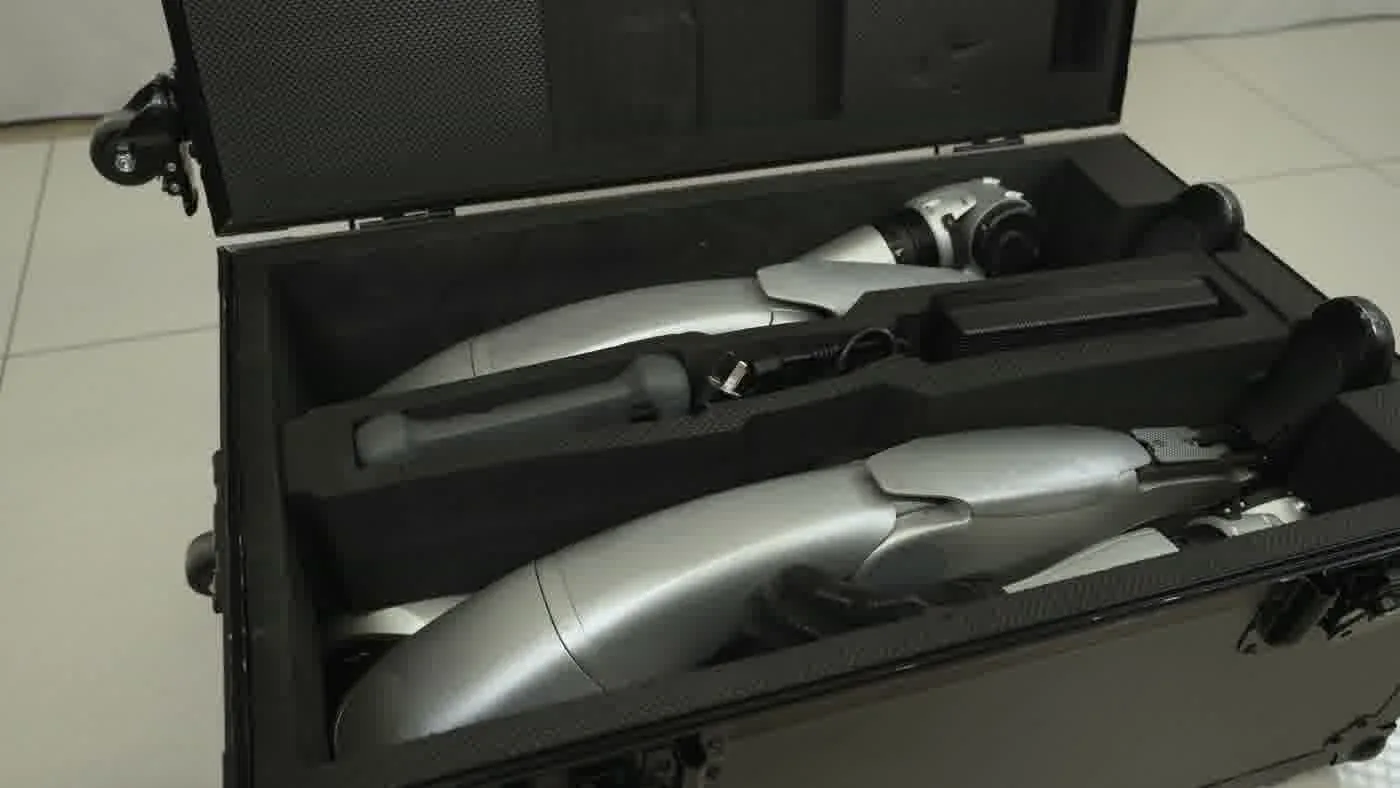
Spec sheets describe capability in controlled conditions. Your venue has carpeted sections, a threshold at the entrance to the main hall, a loading dock ramp, and an ambient noise level that affects how your operator communicates with attendees standing near the robot. None of those variables appear in a data sheet. The first rental in your actual deployment environment tells you more about what you need from a robot than three months of reading product documentation.
How Attendees Actually Interact with It
Buyers often have a specific interaction model in mind: the robot greets guests, performs a gesture, maybe carries something small. What they discover in the field is that attendees behave differently than expected. Some approach immediately and want physical contact. Others hang back and photograph from a distance. A group of children will behave completely differently from a group of corporate event guests. Your first rental shows you what your specific audience actually does — and that data shapes every operational decision you make as a buyer afterward. For more on what drives these interaction patterns, hire humanoid robot questions covers the most common scenarios in depth.
What Operator Skills Are Required
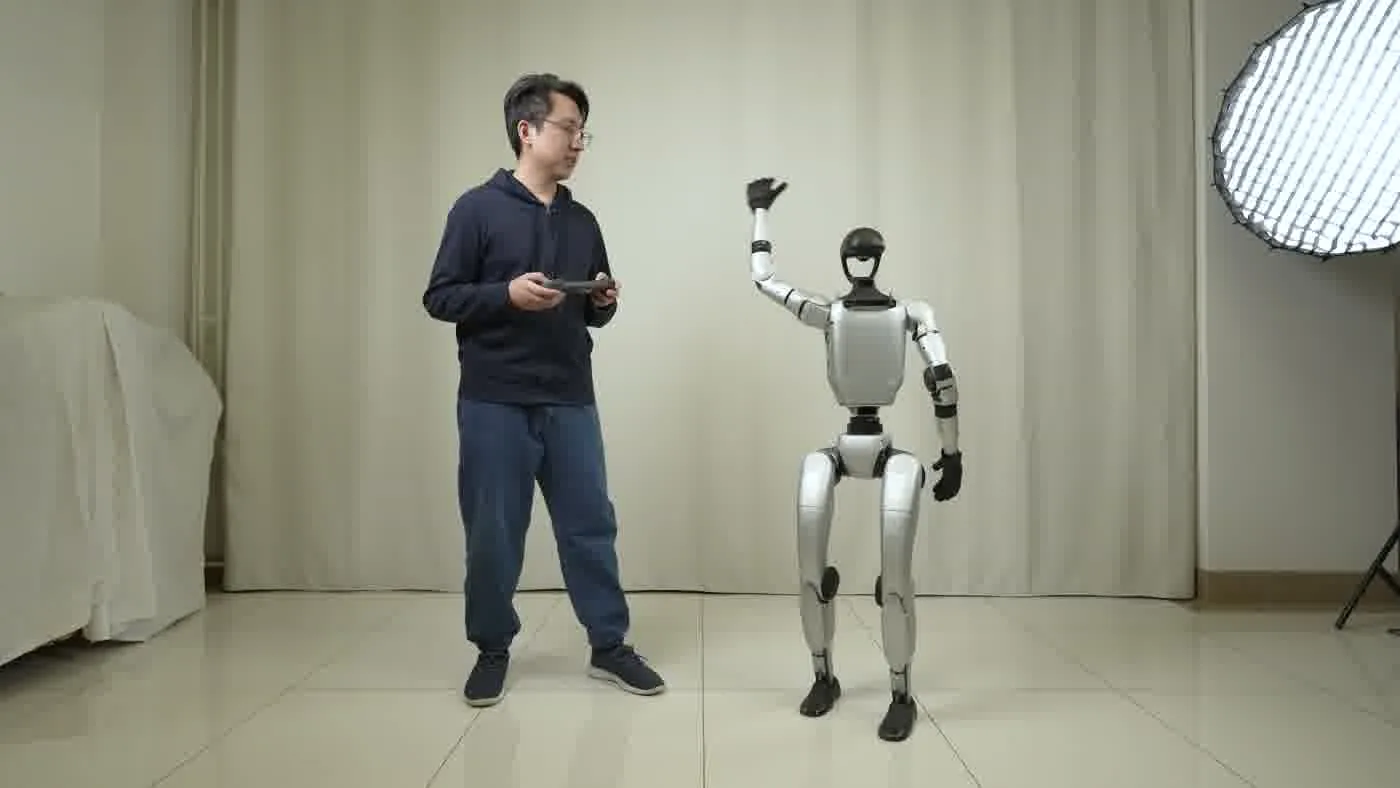
Operating the G1 at an event is a skill. It requires reading crowd flow, managing battery rotation without pulling the robot off the floor at high-traffic moments, responding to unexpected situations (a child grabbing an arm, a floor surface the robot wasn’t calibrated for), and keeping attendees engaged throughout a multi-hour deployment. A single Full-Service rental — where a ZMProbots operator runs the hardware while you observe — teaches you what that skill set actually involves. Most buyers who do this come back with a much more realistic assessment of their internal operator training needs before they commit to purchase.
The Learning Curve Problem for Buyers
Buying a $70,000 robot and then learning to operate it on the job is a specific kind of expensive. Mistakes with humanoid hardware are not just costly in repair terms — they happen in front of clients, at events where your brand is on display, and in situations where you cannot call a timeout to fix something.
The Cost of Learning with Your Own Hardware
When you rent a robot with a Full-Service operator, the operator absorbs every learning-curve mistake on your behalf. The robot goes into an unexpected terrain condition? The operator handles it without disrupting the event. The crowd pushes closer than expected? The operator creates space. Battery rotation timing conflicts with your panel presentation? The operator tells you 15 minutes in advance. When you own the hardware and your own team is operating it without that experience, those situations become your problem — live, in front of an audience. TechCrunch‘s coverage of humanoid robot deployments has repeatedly noted that the operational learning curve is one of the most underestimated aspects of bringing this technology into commercial use.
2-3 Rentals as a Calibration Period
Most buyers who approach us after a first or second rental have a dramatically clearer picture of what they need. After two or three rentals, buyers typically know: how many events per year they realistically plan to run, which deployment type (Self-Service or Full-Service) they will actually use, what operator training their internal team needs, and whether their event frequency justifies the purchase price. That last question — event frequency — is the one that changes the most between the first conversation and the third rental. For a detailed look at how buyers should think about this math, humanoid robot buy vs rent 3-year cost walks through the numbers at different utilization rates.
What Full-Service Event Gives You Beyond the Robot
When you book a Full-Service Event, you are not just renting a Unitree G1. You are getting a trained operator who has run this hardware at dozens of events across different venue types. That operator’s knowledge — of setup sequencing, crowd management, battery rotation timing, emergency procedures — is what makes the rental valuable for buyers in research mode. It is a structured way to learn what ownership actually requires before you commit to the purchase. ZMProbots offers Full-Service at a quoted rate per project; request a quote to scope your specific event. For more on how the full rental process works from inquiry to post-event, how to rent a humanoid robot covers every step.
When Renting First Leads to NOT Buying
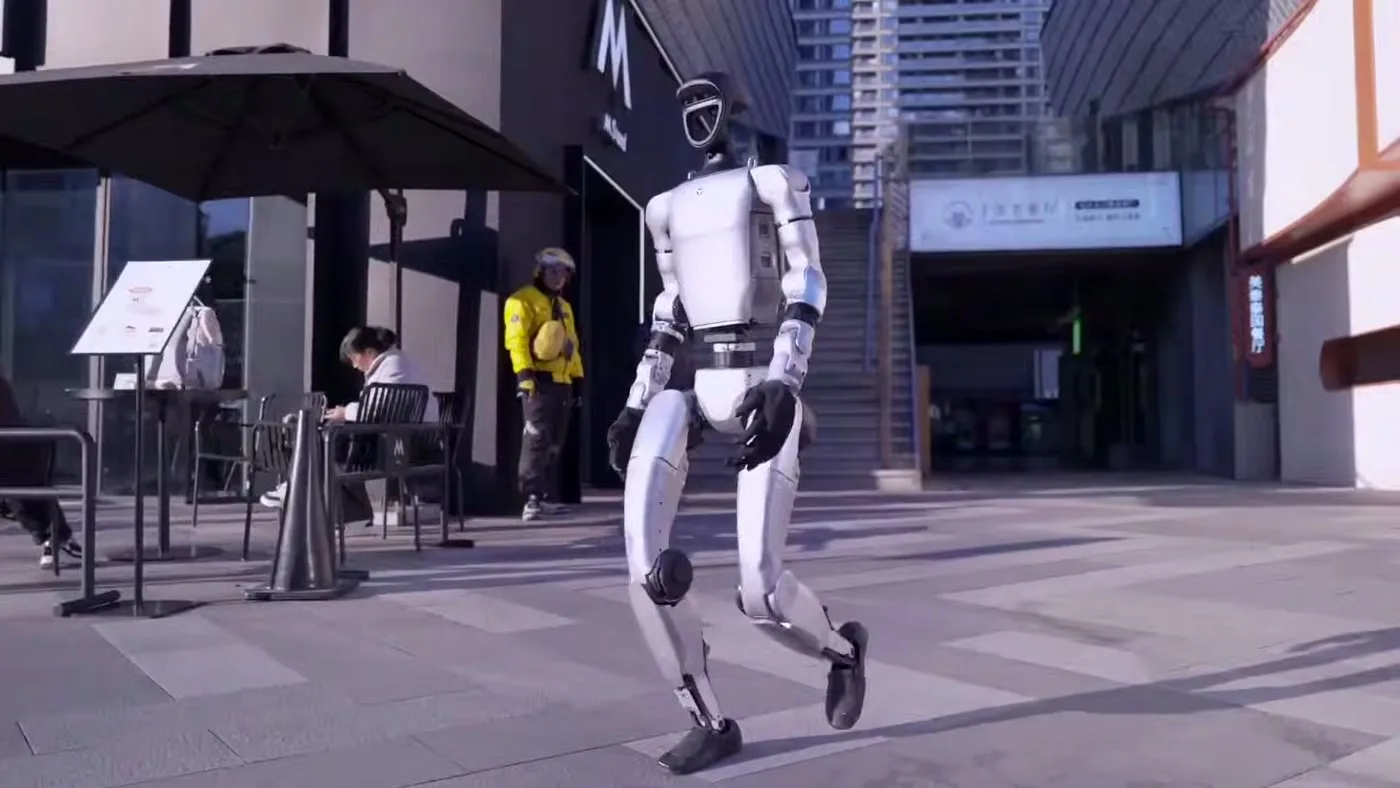
We want to be direct about something: some buyers who rent first end up deciding not to buy. And we think that is a good outcome, not a bad one.
The Event Frequency Reality Check
The most common reason buyers change their minds after renting is event frequency. A buyer who expected to run 15 events per year realizes after their first deployment that the operational overhead — operator time, transport logistics, setup and breakdown, charging infrastructure — makes 6-8 events more realistic. At 6-8 events per year, the math on a $70,000 purchase looks very different from the math at 15. Rental at those lower frequencies is simply the more sensible economic choice, and a buyer who discovers that after one or two rentals has saved themselves a significant sum. For a detailed breakdown of how this calculation works at different utilization rates, for sale vs rental decision covers the specific scenarios.
The Use Case Mismatch
Some buyers come to us with a deployment vision that turns out to be different from what the G1 is actually suited for in their specific context. A retail environment with tight aisle spacing, for instance, presents different challenges than an open convention floor. A buyer who discovers this during a rental has not wasted money — they have gathered exactly the information they needed. If their use case genuinely fits a different operational model, we tell them that. We would rather a buyer make the right decision than the wrong one. The do not buy the humanoid robot post is the plainest version of that conversation — worth reading before any purchase decision.
Renting Permanently as a Business Strategy
For some organizations, long-term rental is genuinely the right model. Companies that run humanoid robot activations seasonally — say, Q4 brand events and trade show season — often find that rental gives them access to maintained, current hardware without the depreciation exposure of ownership. The Unitree G1’s hardware evolves year over year; a rental customer always has access to the current generation without absorbing the depreciation hit of owning a previous one. For the full picture of how buyers and long-term renters compare on a multi-year horizon, buy or rent humanoid robot lays out the decision framework in detail.
People Also Ask
Should I buy humanoid robot hardware or rent first?
For first-time humanoid robot users, renting before you buy is almost always the right call. A rental — especially Full-Service with an experienced operator — teaches you the deployment realities that no spec sheet covers: real setup time, how attendees interact with the robot in your specific environment, what operator skills you actually need, and whether your event frequency justifies a $70,000 purchase. Most buyers who rent first arrive at their purchase decision with a clear operational plan. Most who buy first come back asking for operator support they hadn’t anticipated.
How many rentals should I do before buying a humanoid robot?
One to three rentals is typically enough to calibrate your decision. After one rental, you will have a realistic picture of setup requirements and attendee behavior in your context. After two or three, you will know your actual event frequency, whether you need Full-Service or Self-Service operational support, and what your internal team needs in terms of training. That data makes the purchase decision — or the decision not to buy — a well-grounded one rather than a speculative one.
What does a Full-Service humanoid robot rental include?
Full-Service Event rental includes the Unitree G1 robot, a trained ZMProbots operator for the full event day, transport logistics, setup and breakdown, battery rotation management, and all on-site incident response. The operator runs the hardware throughout the event so you can focus on your guests and your program. For buyers in research mode, Full-Service is particularly valuable because you can observe how an experienced operator manages the hardware — which is exactly the knowledge you need before deciding whether to own and operate the G1 yourself. Pricing is quoted per project; request a quote for your specific event details.
Does ZMProbots sell the Unitree G1?
Yes. ZMProbots does sell the Unitree G1. But we consistently recommend that first-time buyers do at least one rental before committing to a purchase. The $70,000 hardware investment is significant enough that taking one rental to validate your deployment assumptions is time and money well spent. We say this as the company selling the hardware, which is why it is worth paying attention to.
What is the difference between Self-Service and Full-Service robot rental?
Self-Service Rental gives you the Unitree G1 hardware with a 3-day minimum, starting from $299/day. Your team operates the robot. This tier is for organizations with a qualified operator already in place — someone who has completed G1 training and can manage the hardware independently. Full-Service Event includes a ZMProbots operator who manages everything. Full-Service is quoted per project and is the right starting point for first-time users, buyers in evaluation mode, and any event where your team does not yet have a trained G1 operator. For more on which tier fits your situation, humanoid robot rental covers both options in full.
The Bottom Line
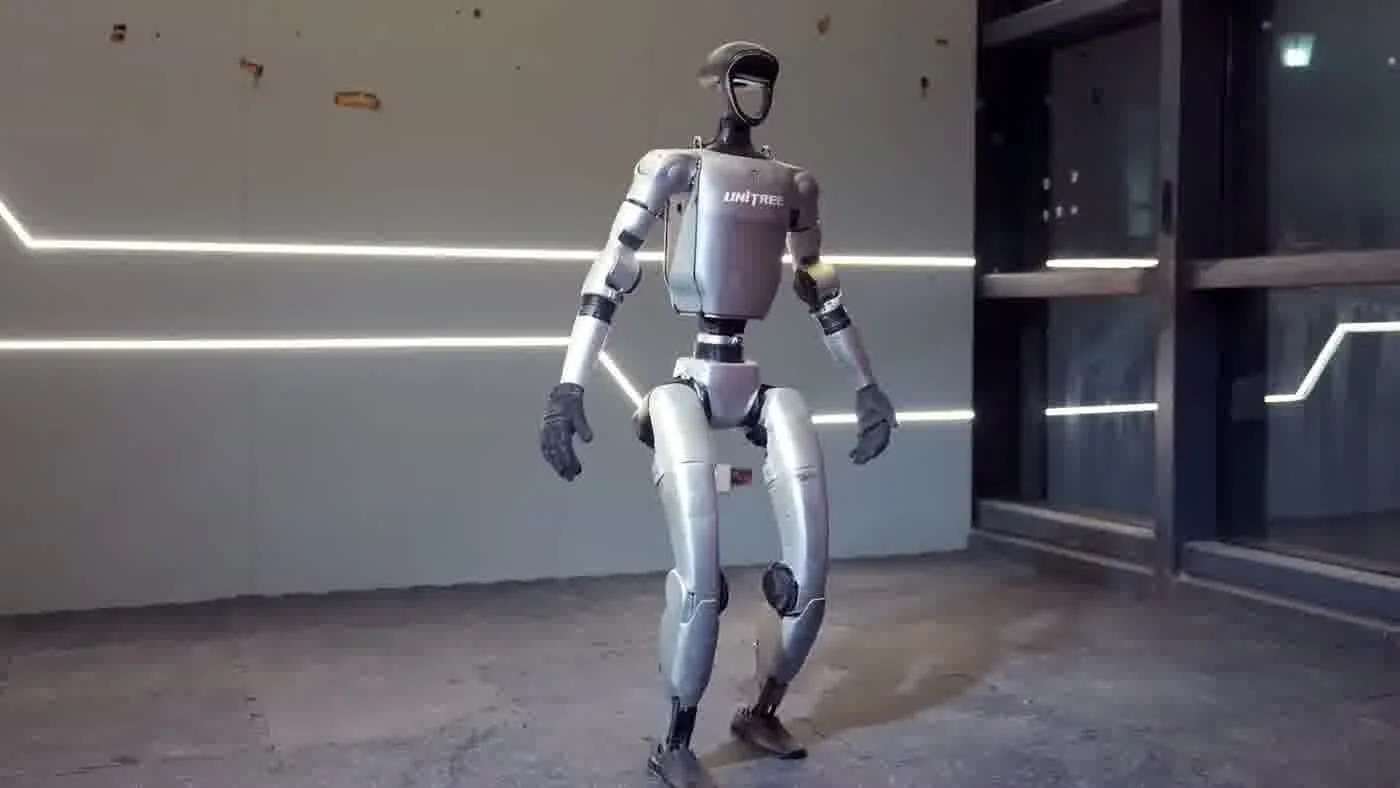
The case for renting before you buy humanoid robot hardware is not complicated: a $70,000 purchase decision should be informed by real deployment experience, not spec sheet assumptions. One Full-Service rental teaches you what your deployment actually requires — setup time, attendee behavior, operator skill requirements, and true event frequency — in a way that no amount of product research can replicate. Buyers who go through that process make better decisions. Some buy with clarity and confidence. Others discover that their actual usage pattern makes rental the smarter long-term choice. Either outcome is a win compared to committing $70,000 to hardware before you know what you need from it. If you are ready to take that first step toward understanding what humanoid robot ownership actually involves, start with the buy the Unitree G1 page for the full purchase details — and book a rental first.