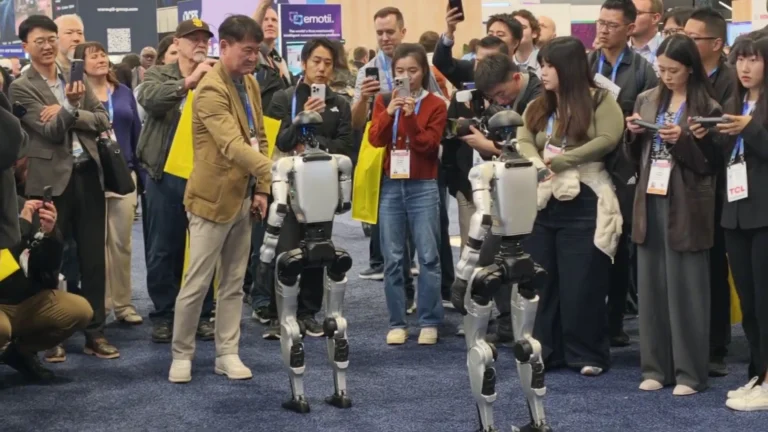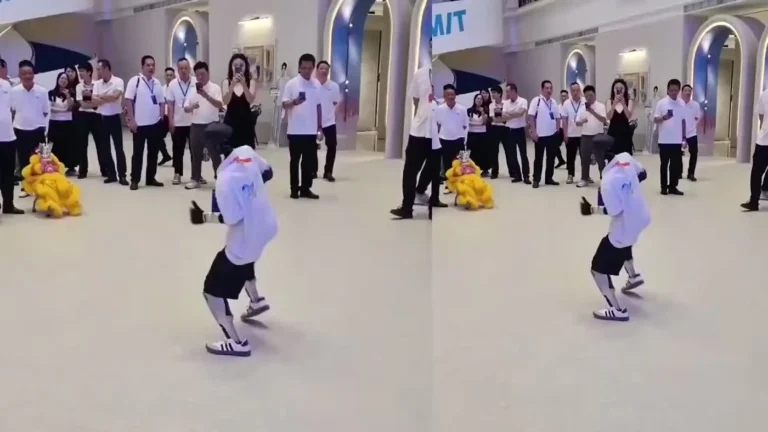
Stage Backup Dancers
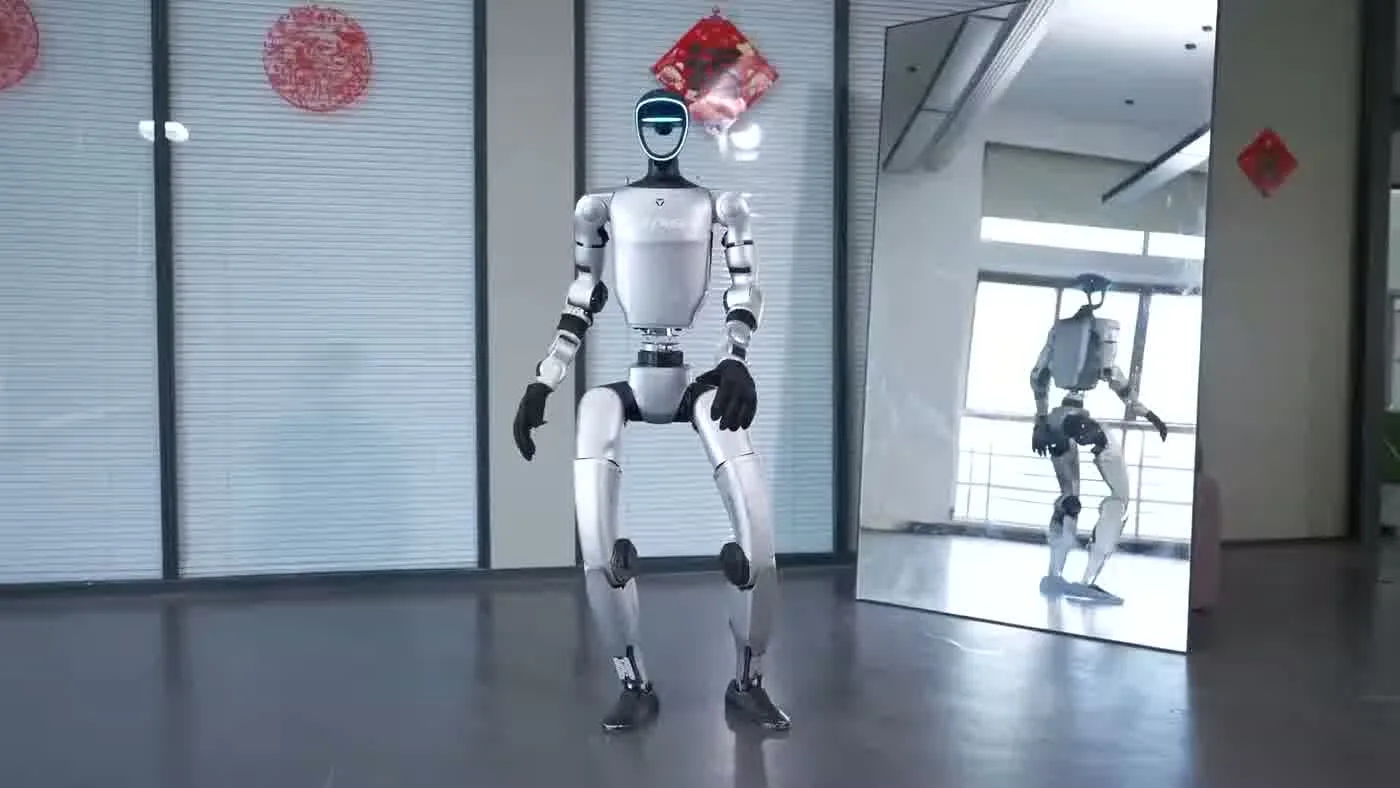
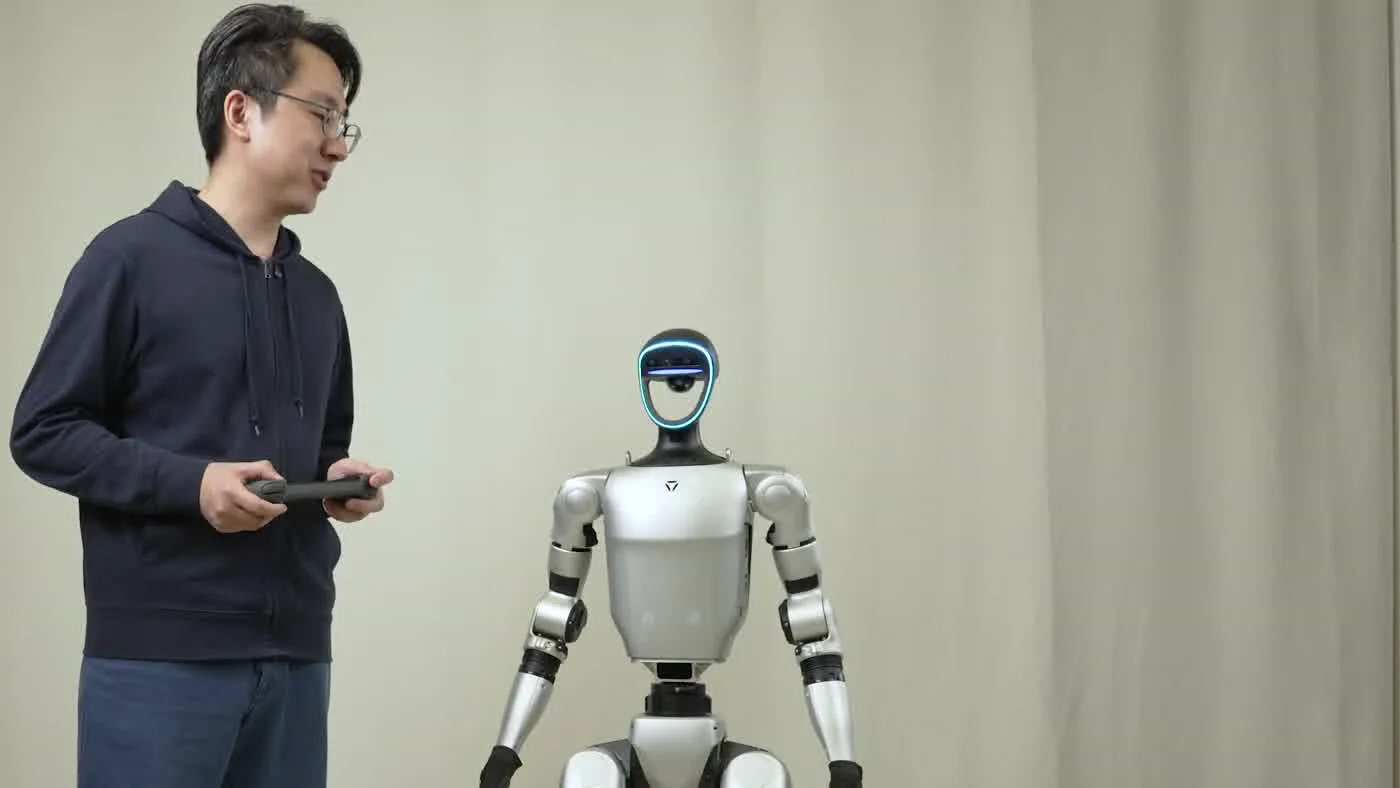
Unitree G1 — At a Glance
- 127 cm tall | 35 kg
- 41 degrees of freedom
- Five-finger dexterous hands
- 2-hour operational battery
- Onboard NVIDIA Jetson Orin
- Available to rent from $299/day
What You Should Know
What You Should Know
- The Unitree G1 carries a US purchase price of $70,000 including sales tax
- Year-one total cost of ownership runs well above the purchase price once operator, maintenance, and transport are counted
- Manufacturer warranty is 8 months on G1 Basic and 18 months on G1 Edu configurations
- The break-even line against rental is roughly twelve deployments per year for teams without existing robotics staff
- Unitree shipped about 5,500 G1 units in 2025 and is targeting 20,000 units in 2026, meaning supply is improving but not unlimited
The decision to buy humanoid robot hardware or rent it is rarely about the sticker. It is about cadence, capability, and what you do with the robot the rest of the year. The rest of this guide walks the actual twelve-month numbers on both sides.
Year-1 Cost of Ownership: The Real Numbers
The Unitree G1 lists at $70,000 in the US market including sales tax. That figure is the smallest line item in a serious twelve-month model. Buyers who only compare $70,000 against an annual rental spend are comparing the wrong two numbers.
Hardware and Configuration
The $70,000 figure assumes the event-deployable configuration with BrainCo Revo 2 five-finger dexterous hands, the 9000 mAh quick-release battery, and the NVIDIA Jetson Orin 16G compute platform. Stripped-down G1 Basic configurations are available at a lower price, but they have 23 degrees of freedom instead of 41 and they cannot run the dexterous hand motion library that makes the robot useful at a trade show or brand activation. If you are buying for events, you are buying the full configuration. For the full price breakdown across G1 variants, the 2026 humanoid robot price guide walks the variant-by-variant numbers.
Operator and Programming Time
The G1 does not arrive ready to walk through a corporate atrium and shake hands. It arrives as a precision robotics platform that needs to be configured, motion-tuned, and rehearsed for your specific deployment. A robotics-capable engineer working part-time on the platform is the practical minimum staffing model. The fully-loaded cost of that engineer over twelve months is, in most US labor markets, comparable to the hardware itself. If you do not already employ that person, hiring them is the largest hidden line item.
Maintenance, Spare Parts, and Repairs
The G1 is rugged but it is also a 41-degree-of-freedom precision actuator stack that lives a hard life at events. Servos wear. Cables fatigue. Battery cells degrade. Spare parts and a contingency budget for out-of-warranty repairs are real money. The manufacturer warranty covers 8 months on G1 Basic configurations and 18 months on G1 Edu configurations, after which repairs are out-of-pocket and may involve international shipping back to Unitree if no US-based service partner has the part you need.
Storage, Transport, and Charging Infrastructure
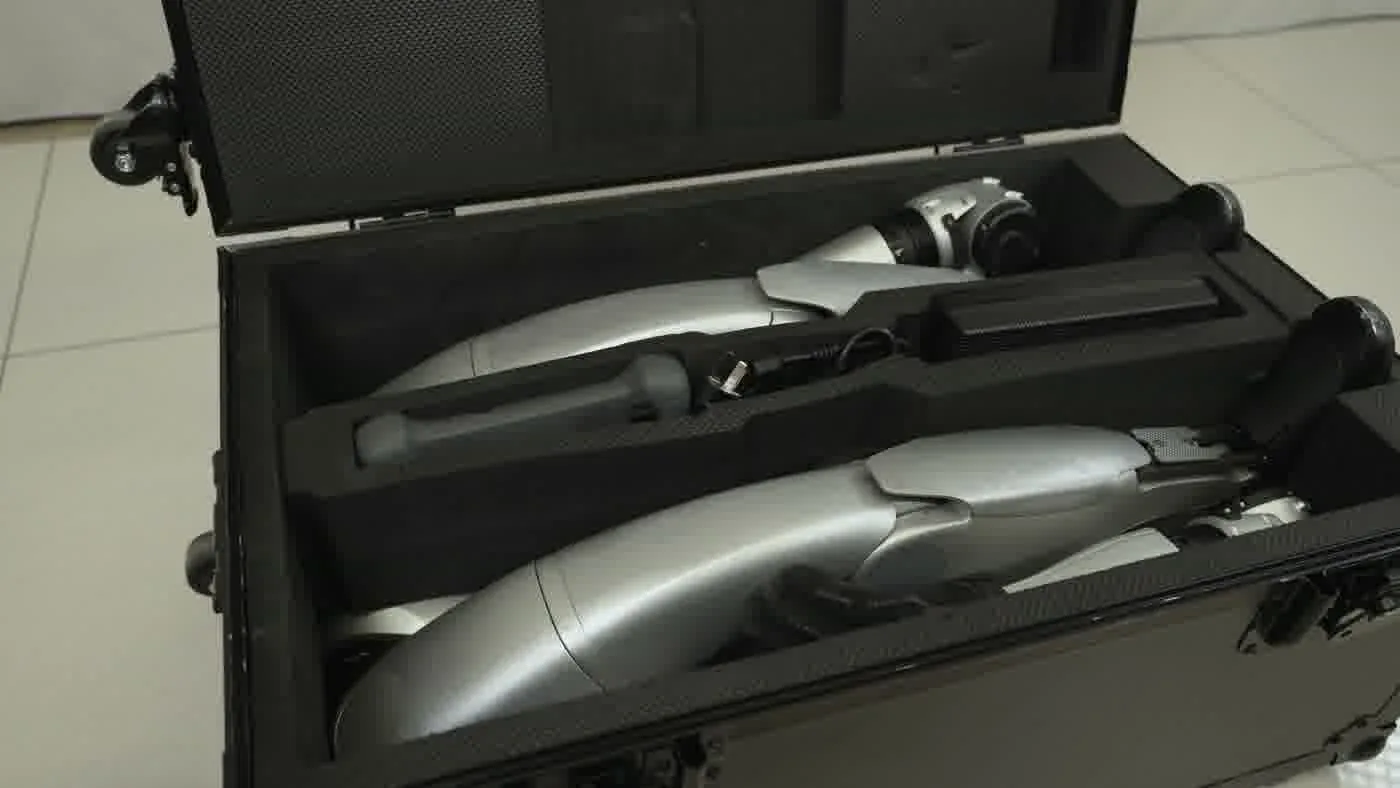
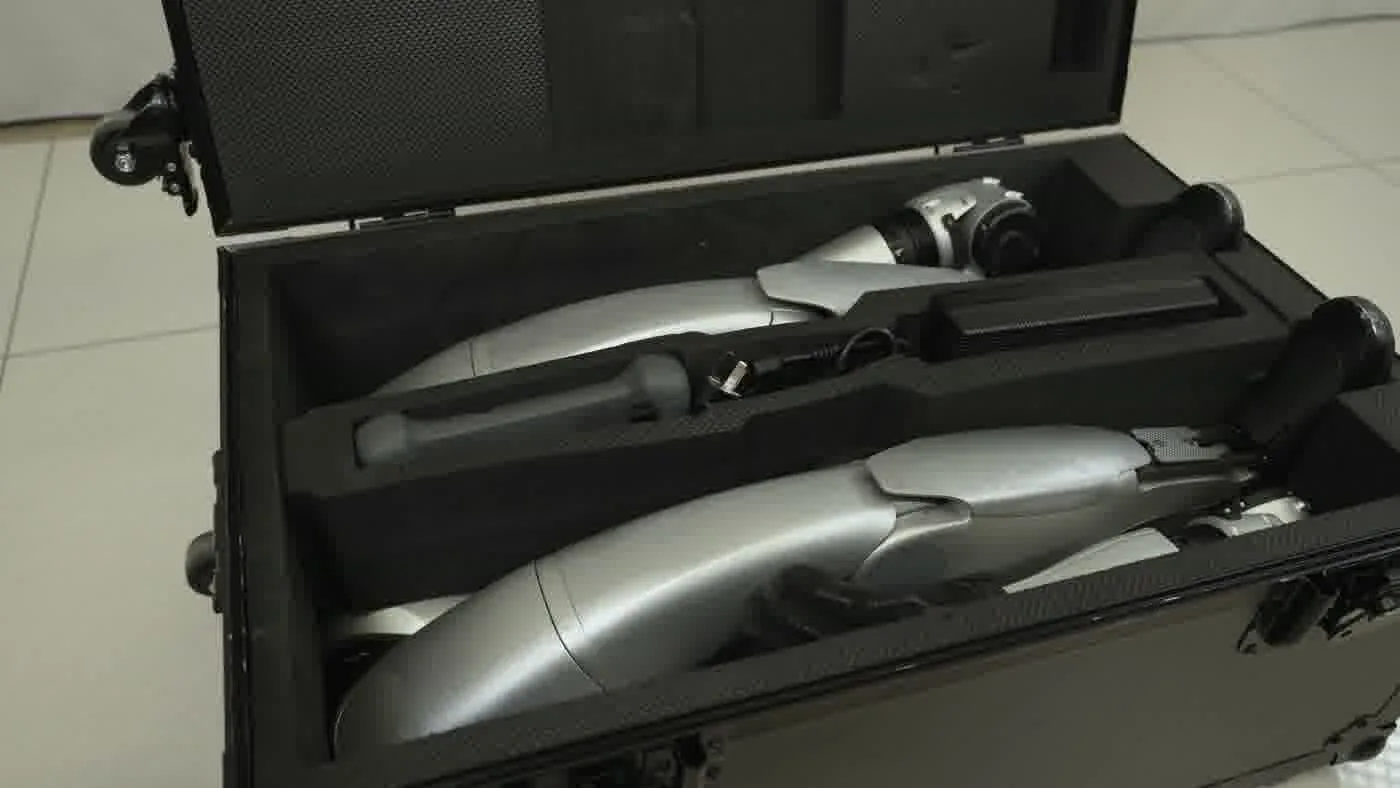
The robot needs climate-controlled storage between deployments. A custom hard transport case adds cost and space. Charging the 9000 mAh pack at the 1,000-watt peak draw needs a clean 15-amp circuit, which not every venue back-of-house provides. None of this is expensive on its own; together it is several thousand dollars in year one that buyers rarely factor in at the order stage. The full breakdown of these ongoing line items lives in the humanoid robot total cost analysis.
The Cost of Renting Across Different Use Cadences
Rental flips the cost model. You pay only for the days you deploy and the headline rate on Self-Service Rental starts from $299 per day. Operator, transport, charging, and maintenance are handled by the supplier network. The question is what that math looks like as you scale up the number of deployments in a year.
One to Three Deployments a Year
For a team running a small handful of activations per year — a flagship trade show, a product launch, a few brand events — rental is not a close call. The total annual spend on renting the G1 sits at a small fraction of the purchase price, with no year-round operator overhead, no storage, no transport, no maintenance worry, and no depreciation. The hardware is also always the current generation, which matters in a category where the platform is improving every quarter.
Four to Eleven Deployments a Year
This is the middle band where teams start to ask the question seriously. The annual rental spend grows. Some teams in this band are tempted to buy to lock in their access. The honest math is that even at eleven deployments per year, the buyer is paying for an in-house operator who is idle most of the time, storage that sits empty most of the year, and a depreciating hardware asset on a platform that is still rapidly evolving. Renting at this cadence still wins for most teams unless they already employ a robotics engineer for other reasons. The 2026 robot rental for events guide covers what this band looks like in practice.
Twelve or More Deployments a Year
At twelve-plus deployments — roughly one per month — the math finally starts to favor ownership, but only if the team already has the technical capability in-house. An event-marketing agency running an in-house robot program at that cadence, with a robotics engineer already on payroll for other work, is the canonical buyer. For everyone else, even at this cadence, the operational simplicity of rental and the avoided depreciation risk often still tip the decision toward renting.
For a deeper look at what rental actually covers at different durations, the humanoid robot rental page walks through the full Self-Service and Full-Service Event service tiers.
Hidden Costs Buyers Miss
The line items below show up in every honest twelve-month buyer model. None of them are on the Unitree configurator page. All of them are real.
Depreciation on a Fast-Moving Platform
The G1 is a 2024-announced platform actively shipping new revisions. Unitree shipped approximately 5,500 G1 units in 2025 and is targeting 20,000 units in 2026. Each cohort ships with improvements. A G1 purchased today is depreciating against a better G1 shipping next quarter. Resale value on used humanoid robots is not yet a mature secondary market. A buyer should model the hardware as a depreciating asset with limited recovery value, not as durable capital equipment.
Software, Firmware, and Motion Library Maintenance
The robot’s behavior is software, and that software needs maintenance. Firmware updates ship from Unitree. Motion routines for your specific use cases need to be authored, tested, and revised. The motion library that makes a G1 entertaining at an activation does not come from the factory — it is built and owned by whoever operates the robot. Buyers build this from scratch. Renters get it included.
Risk on the Floor
A 35-kilogram humanoid robot operating in a crowd is a real safety consideration. Buyers carry that risk directly. Renters operate under the supplier’s framework. This is not the largest line item in dollars but it is the one that makes risk-averse procurement teams pause the longest before signing a purchase order.
Storage Security and Transport Logistics
A six-figure piece of robotics hardware sitting in a warehouse is a target. Equipment protection cover, secure storage, and proper transport cases all become your problem the moment ownership transfers. Coverage by the IEEE Spectrum team on robotics procurement consistently shows these line items as the most consistently under-estimated. The where to buy a humanoid robot guide covers what these logistics look like in practice for US buyers.
Hidden Costs Renters Miss
Renting has its own honest tradeoffs. A team weighing the decision should know these before signing a multi-event rental commitment.
Less Control Over Configuration
A rental fleet ships in a standard configuration. If your activation needs a custom behavior outside the supplier’s motion library, that customization has a lead time and may not be available on a short turnaround. Buyers can configure their own robot however they want. Renters work within what the supplier already supports.
Scheduling Constraints at Peak Season
Trade show season concentrates demand. A team that decides in late September that they want the G1 at a major October event may find that the available units in their region are already booked. Buyers do not have this problem. Booking earlier or being flexible on dates closes most of this gap, but it is a real consideration for marquee events with fixed dates.
Cost at Very High Cadence
The flip side of the twelve-deployment break-even is that, above some cadence, rental spend does cross the cost of ownership for a team that already has the operational capability. If you genuinely run weekly activations and already employ robotics engineers, buying eventually wins on pure dollars. For most teams, that ceiling is higher than they think.
Brand Consistency Across Deployments
An owned robot is the same robot every time. A rented robot may be a different unit from the supplier’s fleet on each booking. For most use cases this is invisible. For a multi-event campaign where exact behavior continuity matters, it is worth flagging in the rental contract that the same unit and operator should ship to consecutive events.
For event-specific use cases where consistency matters most, the humanoid robot for events guide covers how operators handle continuity in practice.
Decision Framework: When Buying Wins
The case for ownership is real but narrow. The teams who genuinely benefit from buying the G1 share most or all of the following characteristics.
You Already Employ a Roboticist
This is the largest single factor. A team with a robotics engineer on staff for other reasons — an R&D group, a robotics product company, a research lab — already absorbs the largest hidden cost of ownership. Adding the G1 to their work portfolio is incremental, not foundational.
You Deploy More Than Once a Month, Year-Round
Sustained cadence is the threshold the break-even math turns on. Bursty deployment concentrated in trade show season does not count the same as steady monthly use. If your calendar shows the robot deployed roughly twelve-plus times across the year, not clustered into one quarter, ownership starts to make financial sense.
You Need Custom Behaviors the Supplier Network Does Not Offer
If your use case requires routines that are not in any rental supplier’s library — a specific research interaction, a brand-owned motion sequence, an integration with your own backend — you are essentially paying for the custom work either way. Doing it on owned hardware avoids paying for the custom work twice across multiple rental bookings.
You Have a Multi-Year Roadmap for the Hardware
Owning makes more sense if you have a roadmap that uses the same robot across research, content production, and events over several years. If your use is a single high-profile campaign with no clear follow-on, ownership is overcommitment. See the buy-versus-rent decision framework on the where to buy a humanoid robot in the US guide for what the purchase process actually looks like.
Decision Framework: When Renting Wins
Renting wins in more scenarios than buyers initially expect. The patterns below cover the majority of teams considering a humanoid robot for the first time.
You Have No In-House Robotics Capability
If hiring a robotics engineer is not on your roadmap, renting is the only path that actually works. Buying the hardware without the staffing to operate it is the single most common failure mode for first-time corporate humanoid buyers. The G1 will sit in a crate; the unspent ownership budget will be on someone’s year-end review.
You Are Validating a New Activation Concept
For a first humanoid deployment — a pilot brand activation, an experimental trade show booth, a one-off launch event — renting lets you validate the concept against your actual audience before committing capital. Most teams who rent first discover their second deployment is meaningfully different from their first, and they are glad they did not buy hardware tuned to the wrong use case.
Your Deployment Calendar Is Bursty, Not Steady
A trade show pattern of three events in one quarter and nothing for the rest of the year is the textbook rent-not-buy pattern. The owned-robot economics are wrecked by the idle months. Renting matches spend to deployment.
You Want the Current Generation of Hardware Every Time
The humanoid robot category is improving on a quarterly cadence in 2026. Ongoing coverage in IEEE Spectrum and the manufacturer’s own release notes on unitree.com consistently flag how quickly capability is moving. Renters always operate on the current platform. Buyers operate on the platform that was current when they ordered. For most marketing and event use cases, current matters.
You Want the Operational Burden Handled
Storage, transport, charging, calibration, on-site setup, on-site operation, post-event cleaning — every one of those is somebody’s job. With ownership, that somebody is on your team. With rental, that somebody is the supplier. This is the single largest qualitative difference between the two models and the one that decides most close calls in favor of renting.
People Also Ask
Should I buy humanoid robot hardware or rent it for a single event?
Rent. A single-event deployment is the clearest rent-not-buy scenario. The $70,000 Unitree G1 purchase price is not justifiable against one activation, and renting lets you validate whether a second event makes sense before you commit capital.
How many events per year justify buying a humanoid robot?
The financial break-even sits around twelve deployments per year for teams who already employ a robotics engineer. Teams without in-house technical staff need a higher cadence — sometimes considerably higher — to make ownership work, because the fully-loaded cost of the operator dominates the model.
What is the real first-year cost of owning a Unitree G1?
The purchase price is $70,000. Realistic year-one total cost of ownership, including operator time, maintenance and spares budget, storage and transport, and charging infrastructure, runs meaningfully higher in the six-figure range. The exact number depends heavily on whether you already have technical staff and storage capacity.
What is the warranty on a purchased G1?
Unitree provides 8 months of warranty on the G1 Basic configuration and 18 months on the G1 Edu configurations. Out-of-warranty repairs are billable and may involve shipping the unit or affected components back to Unitree if no US-based service partner stocks the specific part. Factor warranty length into your purchase decision, especially for configurations with shorter coverage.
Will the Unitree G1 hold its resale value?
Not predictably. The G1 platform is on a fast revision cycle and Unitree is scaling production from roughly 5,500 units in 2025 toward 20,000 in 2026. Used humanoid robots do not yet have a mature secondary market. A buyer should model the hardware as a depreciating asset, not as long-life capital equipment.
Can I rent first and then buy if it works out?
Yes, and that is the path most teams should take. Renting first validates the use case, trains your team on the platform, and builds the deployment cadence data you need to honestly answer the buy-or-rent question with your own numbers instead of forecasts.
The Bottom Line
The buy-or-rent humanoid robot question in 2026 has a short, honest answer: rent unless you deploy more than once a month and already employ a roboticist. Everyone else is paying for a $70,000 robot, an idle operator, an empty storage unit, and a depreciating asset on a platform that ships a better revision every quarter.
That conclusion is unpopular with procurement teams who would prefer to capitalize the spend. It is also what the twelve-month math says. If the numbers really do favor ownership for your cadence and staffing, the path to buy a humanoid robot is straightforward — direct from Unitree or a qualified US reseller. For everyone else, rent the G1 for the deployments on your calendar and revisit the math next year with real data.