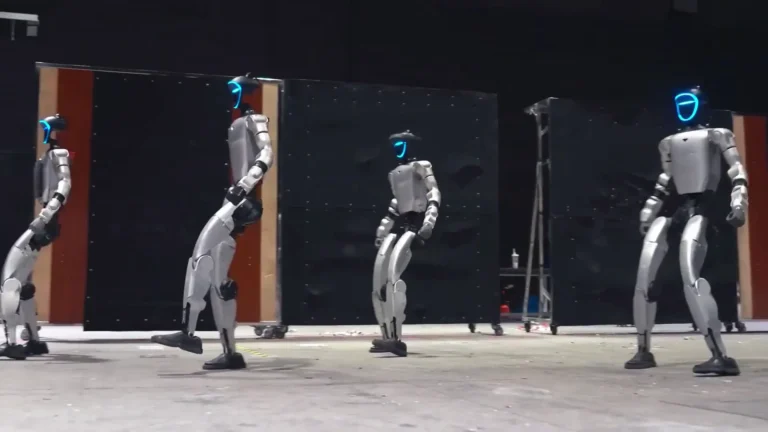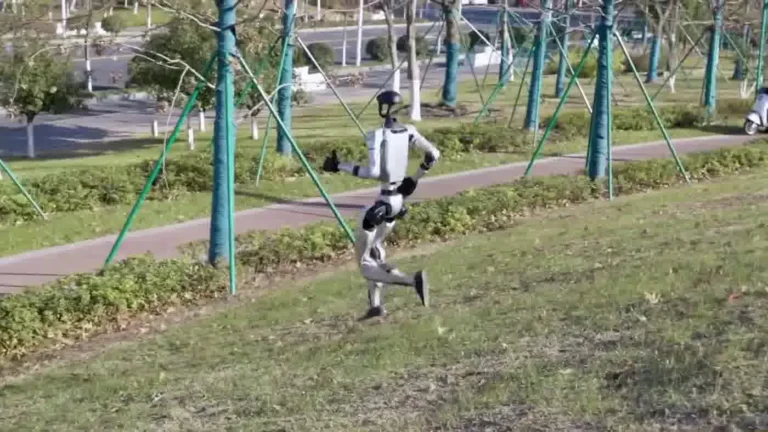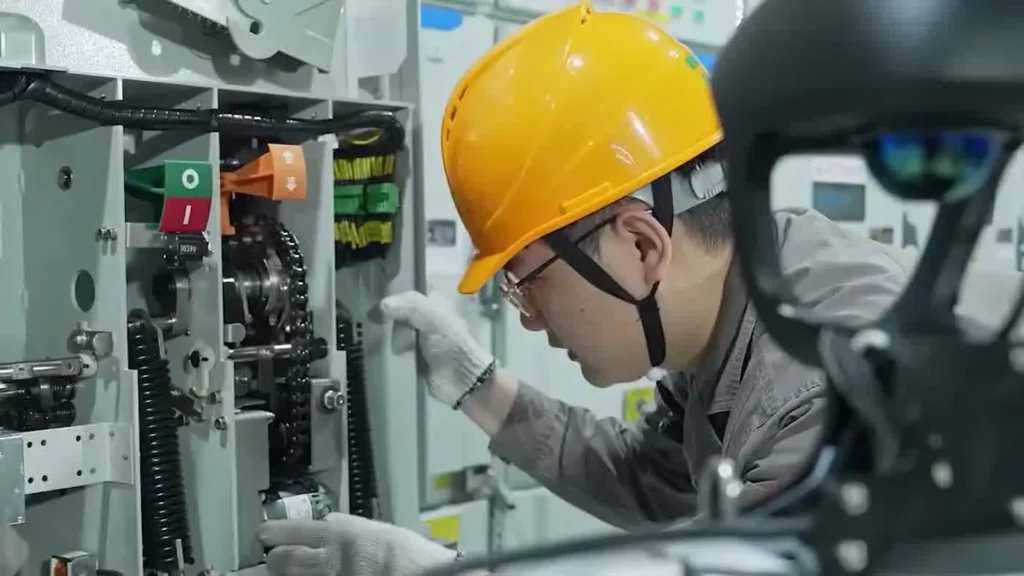
In 2026, our team at ZMProbots — the US operator behind the Unitree G1 humanoid robot rental platform — fields a predictable inquiry: event planners who want to buy humanoid robot hardware, convinced ownership beats rental fees. We give every one of them the same honest answer: run the break-even math first. Most buyers who skip that step end up with a $70,000 asset sitting unused forty weeks a year.
Table of Contents
Jump and Land
What You Should Know
- Most event-use buyers run the robot fewer than 20 days per year — far below the break-even threshold
- Purchase price of $70,000 is just the entry cost — operator training, storage, and maintenance add to total cost
- Technology moves fast — a robot bought today faces a significant capability gap within 2-3 years
- Every event day you own vs rent requires you to handle logistics your rental company would otherwise handle
- ZMProbots sells the G1 for buyers who have genuinely modeled the math — but we tell them the honest version first
These points reflect what we have seen across hundreds of buyer inquiries. The most common version of this mistake is a marketing team that runs four to six major events per year, books the robot as a hero activation for each one, and then discovers that the cost-per-use math at that frequency never reaches break-even in the robot’s commercially relevant lifetime. For a fuller picture of how the buy-versus-rent decision plays out over a 3-year horizon, the humanoid robot buy vs rent 3-year cost analysis walks through the full financial model.
The Break-Even Problem
The math is not complicated, which is part of why it is so easy to get wrong. The Unitree G1 starts at $70,000. Self-Service Rental through ZMProbots starts from $299 per day. Divide the purchase price by the daily rental rate: $70,000 ÷ $299 ≈ 234 days. That is the number of event days you need to deploy the robot before you reach financial break-even against the rental alternative.
Two hundred and thirty-four event days. That is more than nine months of continuous daily deployment — or, at the typical corporate event cadence of one to two days per event, somewhere between 117 and 234 separate events.
Almost no corporate event buyer ever hits that threshold. A company running twelve events per year — an above-average event cadence for most marketing teams — would need just under twenty years to break even on the purchase price alone, ignoring every other cost of ownership. A company running four events per year would need nearly sixty years.
These numbers are not edge cases. They are the baseline. The only buyers for whom the break-even math works in a reasonable time horizon are those who can deploy the robot at very high frequency — universities running it daily in research programs, tech companies integrating it into continuous product development, or operators running commercial deployments that are effectively their primary business. For everyone else, the break-even calculation alone makes the purchase case difficult to justify.
The buy-or-rent decision framework in the buy or rent humanoid robot post covers how to build this model for your specific event calendar, including how to factor in the hidden costs we cover in the next section.
TechCrunch has covered the broader humanoid robot market extensively, including the capital cost dynamics that make ownership economics challenging for non-research buyers. The pattern we describe here — high purchase price, low utilization, disappointing ROI — appears consistently in their coverage of enterprise robotics adoption.
What Buyers Don’t Anticipate
The $70,000 purchase price is the cost that gets all the attention. It should not be. The costs that actually drive purchase regret are the ones that do not appear on the sales page.
Operator Training
The Unitree G1 is not a device you hand to an event staff member and expect to run reliably at a corporate event. It requires a trained operator — someone who understands the G1’s balance mechanics, its battery management cycle, its crowd interaction protocols, and what to do when something goes wrong in front of three hundred conference attendees. That training takes time and money. Internal training programs require dedicated sessions, ongoing practice to maintain proficiency, and eventually succession planning when your trained operator changes roles. Operators who are not regularly working with the robot lose proficiency between events — which, at four to eight events per year, is almost guaranteed.
Storage Requirements
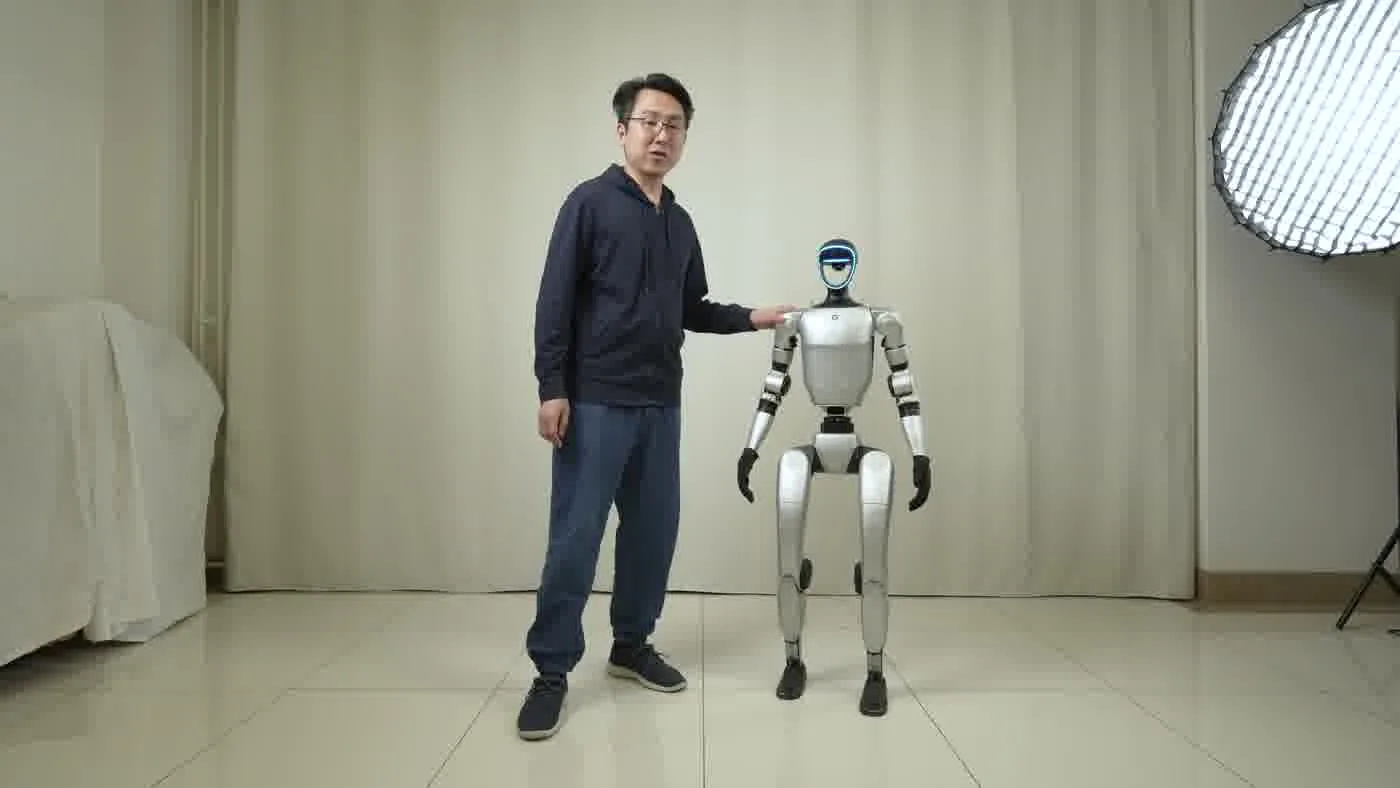
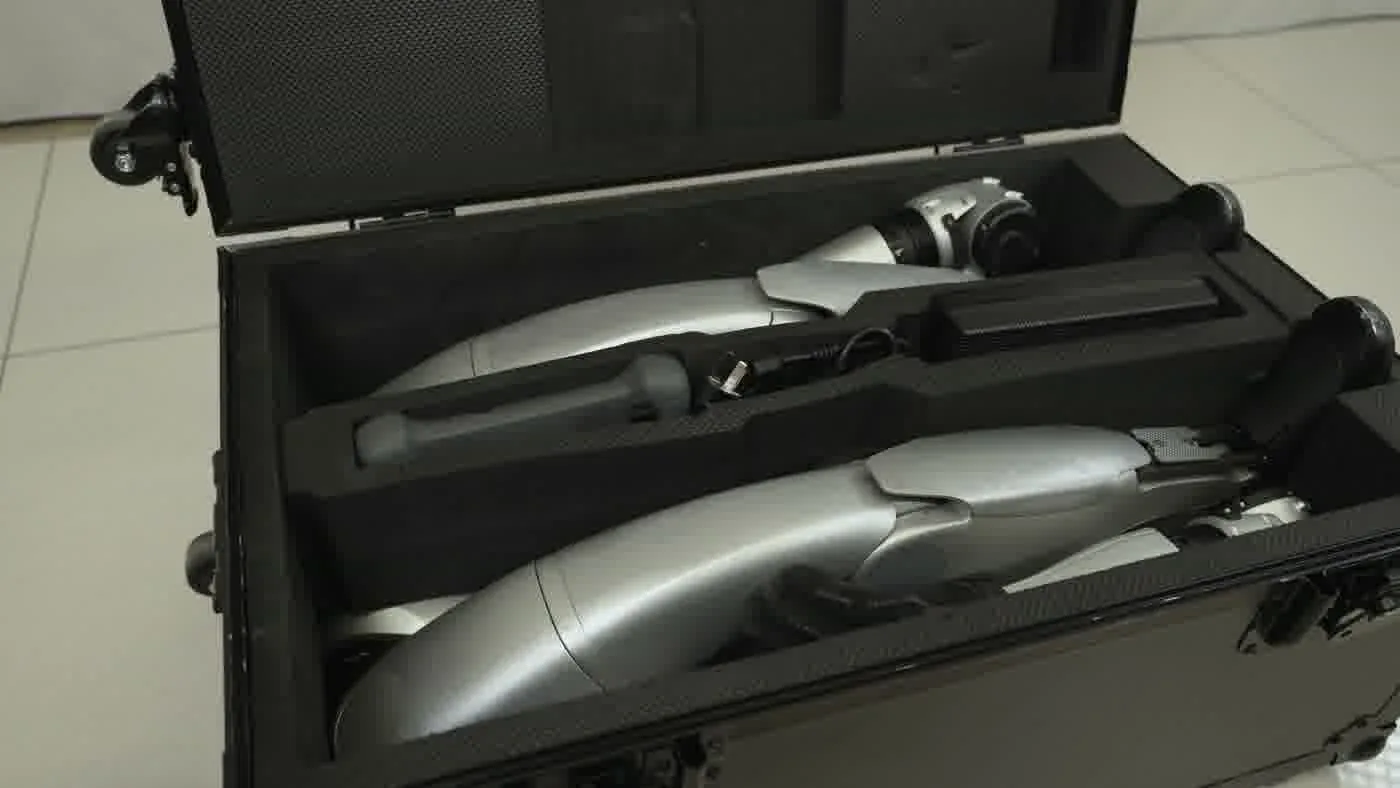
The G1 needs climate-controlled storage. At 35kg and 127cm, it is not a device you leave in a car trunk or a standard equipment cage. Temperature fluctuations affect battery health and joint performance. Humidity affects electronics. Most corporate buyers have not budgeted for dedicated climate-controlled storage space before the purchase conversation. Once they do, that cost often runs to several thousand dollars per year in added facility overhead — ongoing, for the life of the robot.
Maintenance and Parts
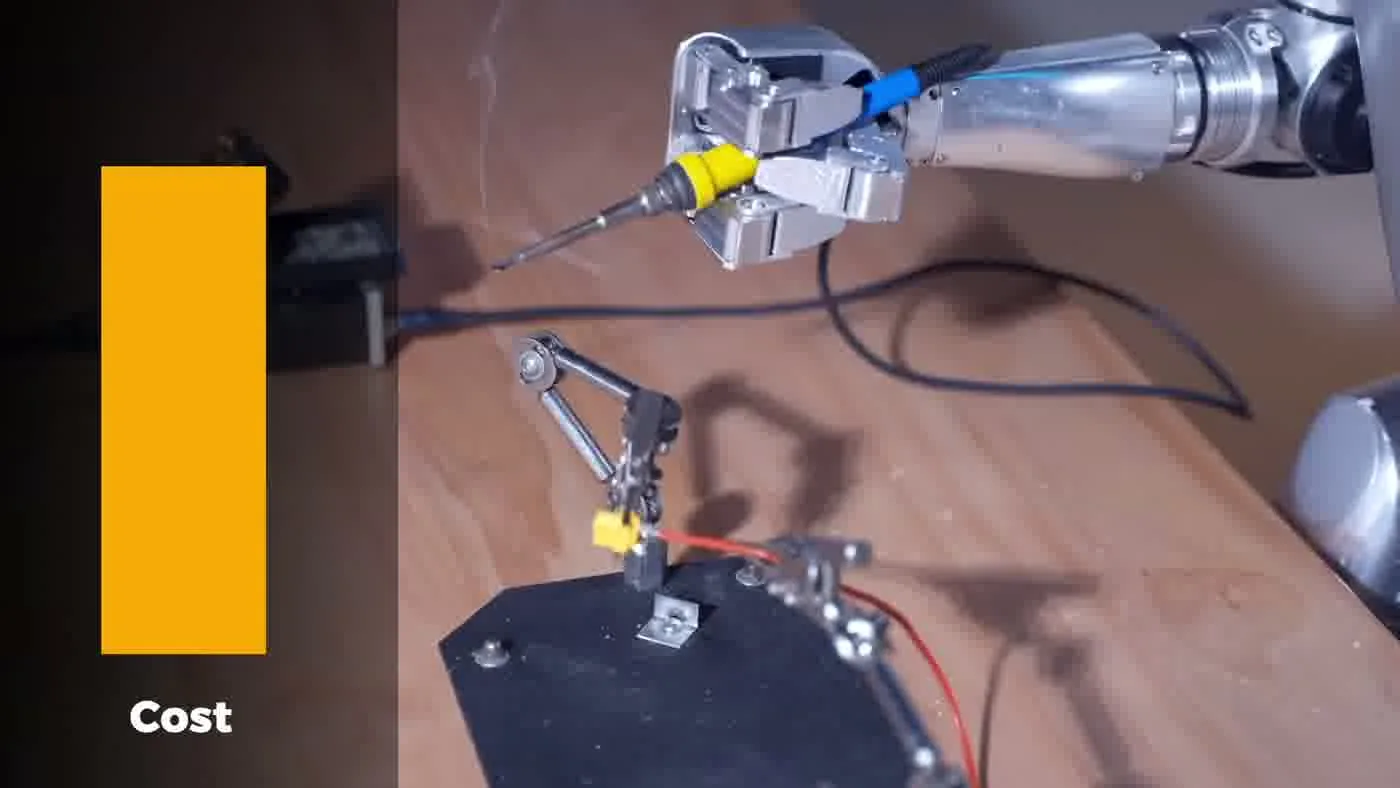
Humanoid robots at the G1’s capability level require regular maintenance. Joints need calibration. Batteries degrade over charge cycles and need eventual replacement. Software requires updates that sometimes change operational behavior in ways that require retraining your operators. Physical wear from event deployment — surfaces that are not perfectly level, crowds that get too close, the occasional contact that was not supposed to happen — adds up over time. None of this is catastrophic on any single occasion, but the cumulative maintenance cost over a three-year ownership period is real and rarely modeled upfront.
Technology Obsolescence
This is the cost that buyers most consistently underweight. Humanoid robot technology is advancing at a pace that makes a purchase today a significantly different asset in two to three years. The G1 you buy in 2026 will face a meaningful capability gap against the models available in 2028 or 2029. For buyers whose events require the robot to make a strong first impression on a technology-literate audience, that gap matters. A rental fleet stays current because rental operators have strong incentives to upgrade hardware. An owned asset stays the same while the field moves forward.
IEEE Spectrum tracks humanoid robot development milestones rigorously — their coverage of capability progression over the past three years illustrates exactly how quickly the technology field has shifted, and why obsolescence risk is not a hypothetical for buyers in this category.For a structured breakdown of how these costs compound over time, the humanoid robot total cost post models each category with specific numbers against the ownership baseline.
The Utilization Problem
Even buyers who have thought carefully about the purchase price often overestimate how many events they will actually deploy the robot at. This is not a failure of planning — it is a predictable feature of how purchase decisions get made.
The Excitement Bias in Purchase Planning
Humanoid robot purchase decisions are almost always made during periods of high strategic energy: a new product launch, a rebrand, a year in which the marketing team has budget and ambition. In those moments, the event calendar looks full and the use cases feel obvious. It is easy to envision deploying the robot at every major activation for the next three years. What is harder to see from that vantage point is the event that gets cancelled, the venue that turns out not to be suitable, the operator who leaves the company, or the strategic priority that shifts after the next leadership change.
What Actual Deployment Frequency Looks Like
For most corporate event buyers, quarterly deployment is a realistic ceiling — meaning four to eight event days per year. At that cadence, the break-even horizon on a $70,000 purchase extends to decades when measured against $299/day rental. And that is before accounting for the years when the robot does not get deployed at all because the event calendar changed, the operator left, or the storage situation became untenable.
We have talked with buyers who purchased expecting twenty-plus deployments per year and ended up at four. We have talked with others who budgeted for a full-time internal operator role and found they could not justify the headcount after the first year. The excitement bias is real, and it is expensive.
The Logistics Overhead Nobody Budgets For
Every event day you own the robot is an event day where you are handling the transport, the setup, the operator management, the battery logistics, and the post-event equipment return — all tasks that a rental company absorbs on your behalf. That overhead has a cost in staff time even if it does not show up as a line item. At low deployment frequency, it often ends up being more expensive per event than the rental alternative would have been, once the staff time is honestly accounted for.
The do not buy the humanoid robot post makes the case for the rental-first approach in more direct terms, drawing on the same utilization patterns we have described here. The for-sale vs rental decision post structures the decision framework more formally, with a set of qualifying questions that help buyers identify which category they actually belong in before committing.
Who Should Buy Instead of Rent
The honest version of this post is not that nobody should buy a humanoid robot. There is a buyer profile for whom purchasing makes clear financial and operational sense. The problem is that most event-use buyers do not fit that profile, and they often do not know it until after the purchase.
High-Frequency Deployers
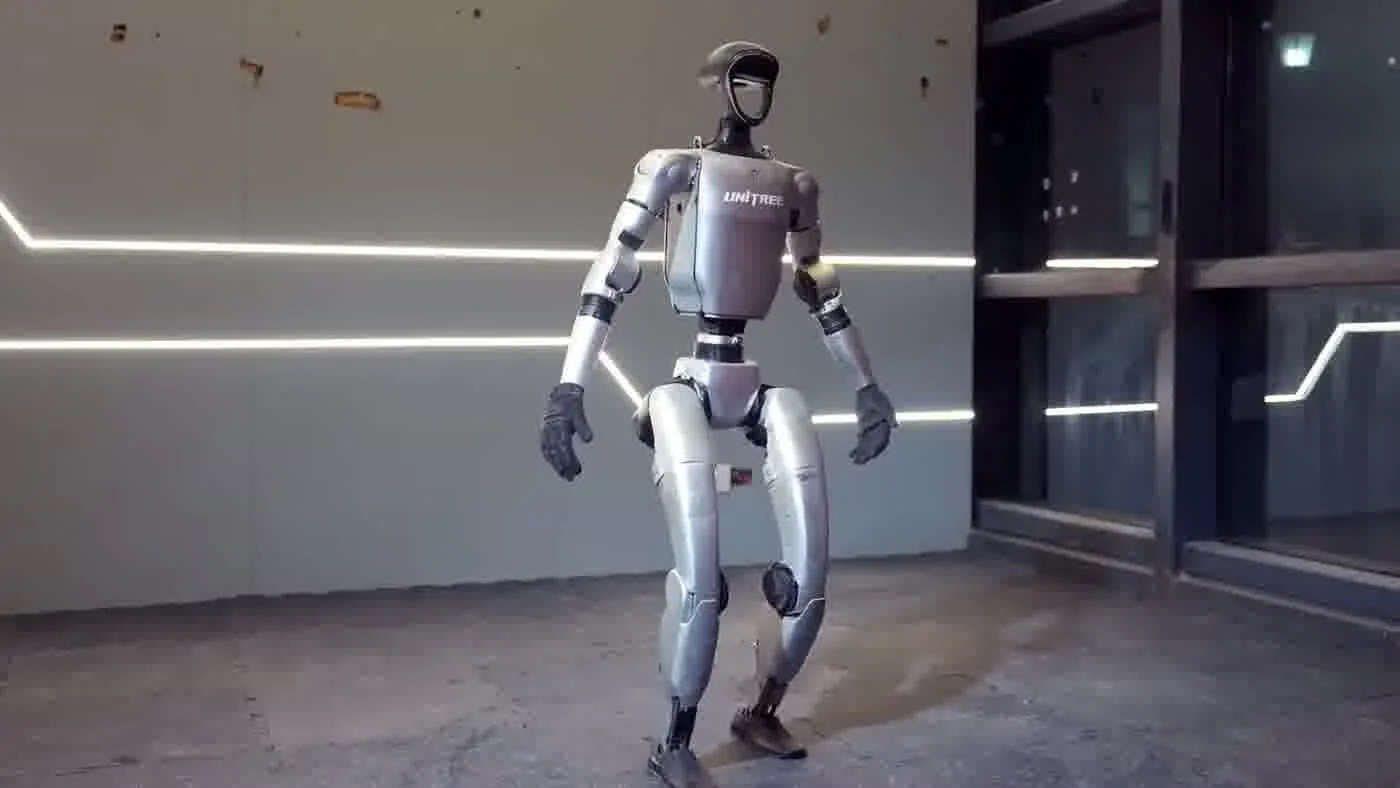
Universities and research institutions with daily or near-daily G1 use are the clearest case for ownership. When the robot is in active use most working days — for research programs, student training, or ongoing development work — the break-even math shifts dramatically. At 200+ annual deployment days, the purchase case becomes straightforward even before accounting for the research value of owning the hardware outright.
Technology Companies with In-House Engineering
Tech companies building custom automation, training AI models on physical hardware, or integrating the G1 into product development workflows have a fundamentally different use case than an event buyer. They need the robot accessible at any hour, modifiable at the hardware and software level, and not subject to rental terms that limit what they can do with it. For these buyers, the $70,000 purchase price is a development infrastructure cost, not an event marketing spend.
Commercial Operators Building a Rental Business
Buyers who intend to build their own robot rental or deployment business — where the G1 itself is the revenue-generating asset — have a usage model that can reach break-even in a reasonable time horizon. This is, in effect, the model that ZMProbots operates. The difference is that we have built the operational infrastructure — operator training, maintenance programs, transport logistics — around the asset from the start. Buyers entering this model without that infrastructure typically discover how expensive it is to build it independently.
Everyone Else
Corporate event teams, marketing agencies, trade show exhibitors, brand activation specialists — buyers whose event calendar does not exceed the break-even threshold — are almost always better served by renting. Renting gives you the robot’s capability without the storage cost, without the operator training overhead, without the maintenance exposure, and without the obsolescence risk. When the technology improves — and it will — you are not stuck holding hardware that no longer represents the state of the field.
The humanoid robot for sale 2026 post covers the current purchase field and buyer profiles in detail. The Unitree G1 TCO vs rental post builds out the full total-cost-of-ownership comparison for buyers who want to see the three-year model with all costs included.
For context on where humanoid robot technology is heading — which directly affects both the obsolescence risk of a purchase today and the capability trajectory of rental fleets — Unitree’s official site publishes ongoing development updates and product roadmap information that is relevant to any buyer evaluating a long-term ownership decision.
People Also Ask
How much does it cost to buy a humanoid robot for events?
The Unitree G1 starts at $70,000. That is the purchase price for the robot itself, before accounting for operator training, climate-controlled storage, ongoing maintenance, or the cost of keeping the hardware current as the technology advances. For most event use cases, the total cost of ownership over three years significantly exceeds the sticker price when all these factors are included. For a structured look at the full cost model, the humanoid robot myths debunked post addresses common misconceptions about what purchase and ownership actually costs.
Is it cheaper to buy or rent a humanoid robot for an event?
For most event buyers, renting is cheaper on a per-event basis. The break-even point between buying ($70,000) and renting (from $299/day) requires approximately 234 event days. Most corporate event buyers never reach that threshold in the robot’s commercially relevant lifetime. If your team runs fewer than 20 event days per year — which is the reality for most marketing and events departments — renting will almost always be the more cost-effective choice.
What are the hidden costs of owning a humanoid robot?
The costs that most buyers underestimate include: operator training and ongoing proficiency maintenance; climate-controlled storage (temperature and humidity control matter for battery and joint health); regular maintenance and eventual parts replacement; software update management; and technology obsolescence — the G1 you buy today will face a meaningful capability gap against 2028-2029 models. These costs compound over time and are rarely fully modeled before a purchase decision.
Who should actually buy a humanoid robot instead of renting?
The buyer profiles where purchase makes financial sense are: universities and research institutions with daily or near-daily use; tech companies building custom automation or AI training programs that require direct hardware access; and commercial operators building a robot rental or deployment business where the robot itself generates revenue. Corporate event teams, marketing agencies, and trade show exhibitors who run fewer than 30-40 event days per year are almost always better served by renting.
Can I rent a humanoid robot instead of buying for my next event?
Yes. ZMProbots offers two rental tiers: Self-Service Rental starting from $299/day with a 3-day minimum, for teams with a qualified operator on staff; and Full-Service Event, where our operator team handles everything from transport and setup through crowd management and post-event breakdown. Full-Service is priced per project based on event scope and duration — request a quote through the humanoid robot rental page on our site page for your specific event details.
The Bottom Line
The decision to buy humanoid robot hardware for event use is wrong in most cases for the buyers actually asking the question. The break-even math at $70,000 versus $299/day rental requires 234 event days — a threshold most corporate event buyers never reach. Hidden ownership costs push that threshold even higher when honestly modeled. For the majority of buyers, renting is the right answer, and the time to make that calculation is before the purchase, not after.
For buyers who have genuinely run the numbers and determined that ownership makes sense — high-frequency deployment, in-house engineering capability, a commercial deployment model — the buy the Unitree G1 page covers the purchase process. For everyone else, humanoid robot rental gives you the same capability without the ownership burden.