In 2026, our conversations with buyers consistently surface the same gap: the Unitree G1 total cost of ownership is understood as a purchase price, not as a multi-year financial commitment. We see this repeatedly in pre-sale consultations, and it shapes how buyers ultimately decide between owning and renting.
Table of Contents
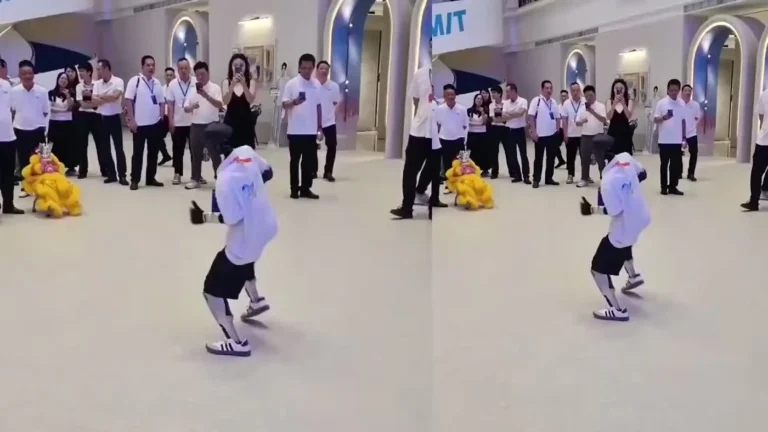
Quartet Kung-Fu at Heroes Square
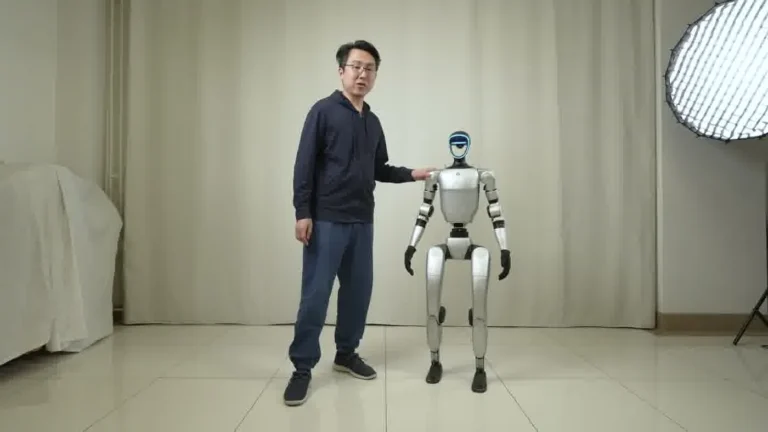
Unitree G1 — At a Glance
- 127 cm tall | 35 kg
- 41 degrees of freedom
- Five-finger dexterous hands
- 2-hour operational battery
- Onboard NVIDIA Jetson Orin
- Available to rent from $299/day
What You Should Know
- The G1 purchase price is approximately $70,000 — that is not the total cost of ownership
- Storage, maintenance, operator training, and software costs add substantially to the total
- Hardware depreciation on robots follows tech, not real estate — value drops fast
- Operator training for consistent event performance takes months, not days
- For fewer than 20 event days per year, renting is typically more cost-effective than owning
- ZMProbots also sells the G1 for buyers who have modeled the full ownership cost
Most buyers who reach out about purchasing the G1 have a clear number in mind: approximately $70,000. What they have not modeled is everything that comes after the wire transfer. This post documents the cost categories that the purchase price does not cover, so buyers can run an honest comparison before committing. For a broader look at the buy-versus-rent question, the humanoid robot buy vs rent 3-year cost analysis covers the math in detail across different event-day scenarios.
The Purchase Price Is Just the Start
The Unitree G1 is priced at approximately $70,000 at current market rates. That number covers the hardware: the robot, its charging equipment, and whatever base software package is included at the time of purchase. It does not cover what you need to actually operate and maintain the robot over a one-, two-, or three-year period.
Storage Requirements
The G1 is a 35-kilogram, 127-centimeter precision machine with exposed joint assemblies, an onboard compute cluster, and a battery system. It cannot sit in a corner of a warehouse or office supply closet between deployments. Climate-controlled storage — stable temperature, managed humidity — is a baseline requirement to protect the electronics and battery cells from degradation during idle periods.
For buyers who do not already operate a climate-controlled equipment storage facility, this means either dedicating appropriate space within an existing facility or sourcing external storage. Neither option is free. The ongoing cost of storage is real and recurring even when the robot is not in use.
Maintenance and Parts
The G1 has 41 degrees of freedom — 41 actuated joints, each with its own motor, gearing, and sensor assembly. Mechanical components wear with use, particularly in the feet, ankles, and wrist assemblies that see the most contact load during demonstrations. Unitree publishes recommended maintenance intervals, and adherence to those intervals is not optional for a robot that will be operated at live events in front of clients or the public.
Parts availability for a platform that is two or three years into its production cycle is a variable that buyers often underestimate. Replacement actuators, joint covers, and sensor modules are not the kind of components you find at a local electronics supplier. Lead times from the manufacturer or authorized distributors can affect how quickly a robot comes back into service after a component failure. Downtime has a cost — especially if the robot is booked for a paying event.
Transport and Logistics
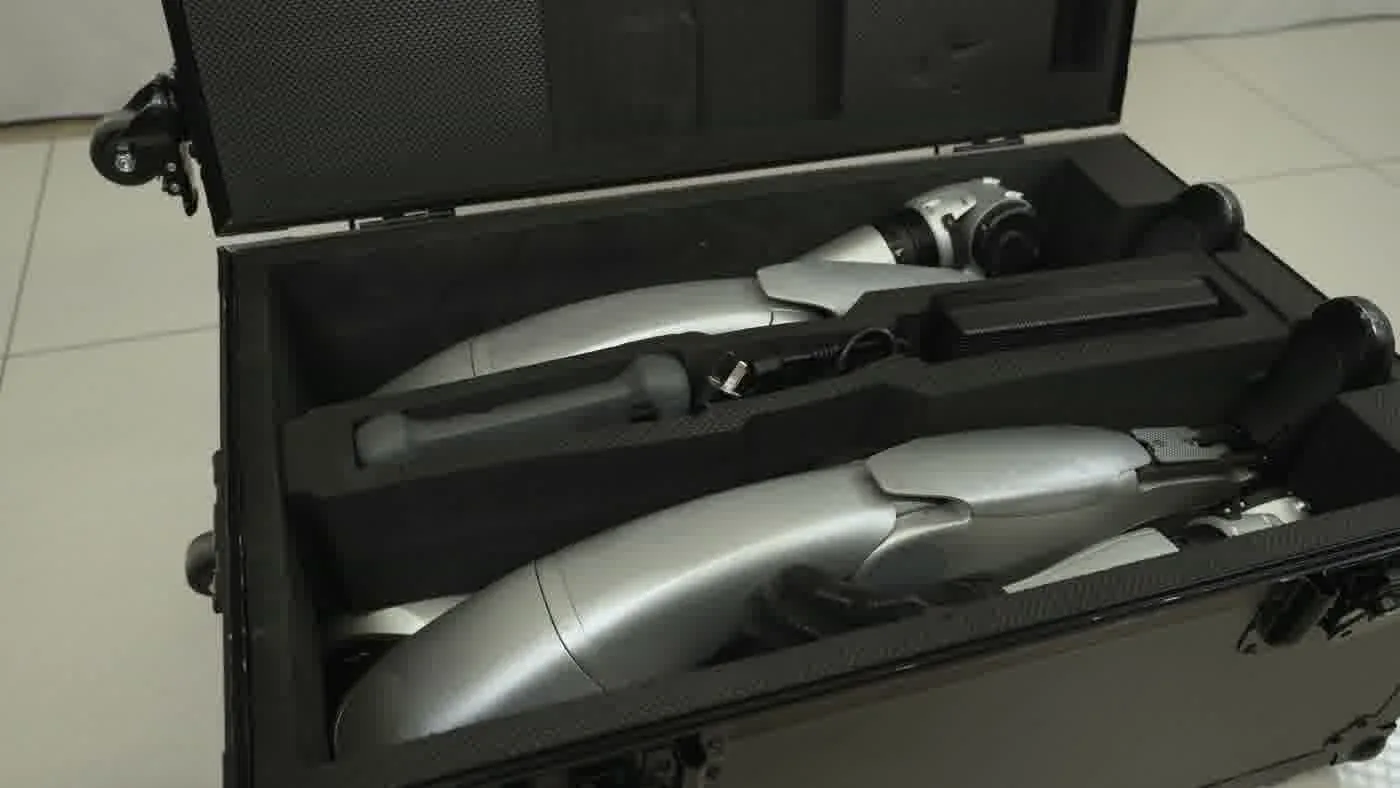
Moving the G1 to and from event venues requires a purpose-built transport case, a vehicle large enough to carry it safely, and — for air freight — knowledge of carrier restrictions on lithium battery systems. The logistics cost per deployment is a real line item that does not appear in the purchase price. The humanoid robot total cost breakdown covers logistics costs in context alongside the other ownership categories.
Unitree’s own specifications and product roadmap are the authoritative source on hardware capabilities and service requirements. Unitree’s website documents the G1’s technical specifications and available accessories, which is the right starting point for buyers modeling their total parts and maintenance budget.
Operator Training and Labor
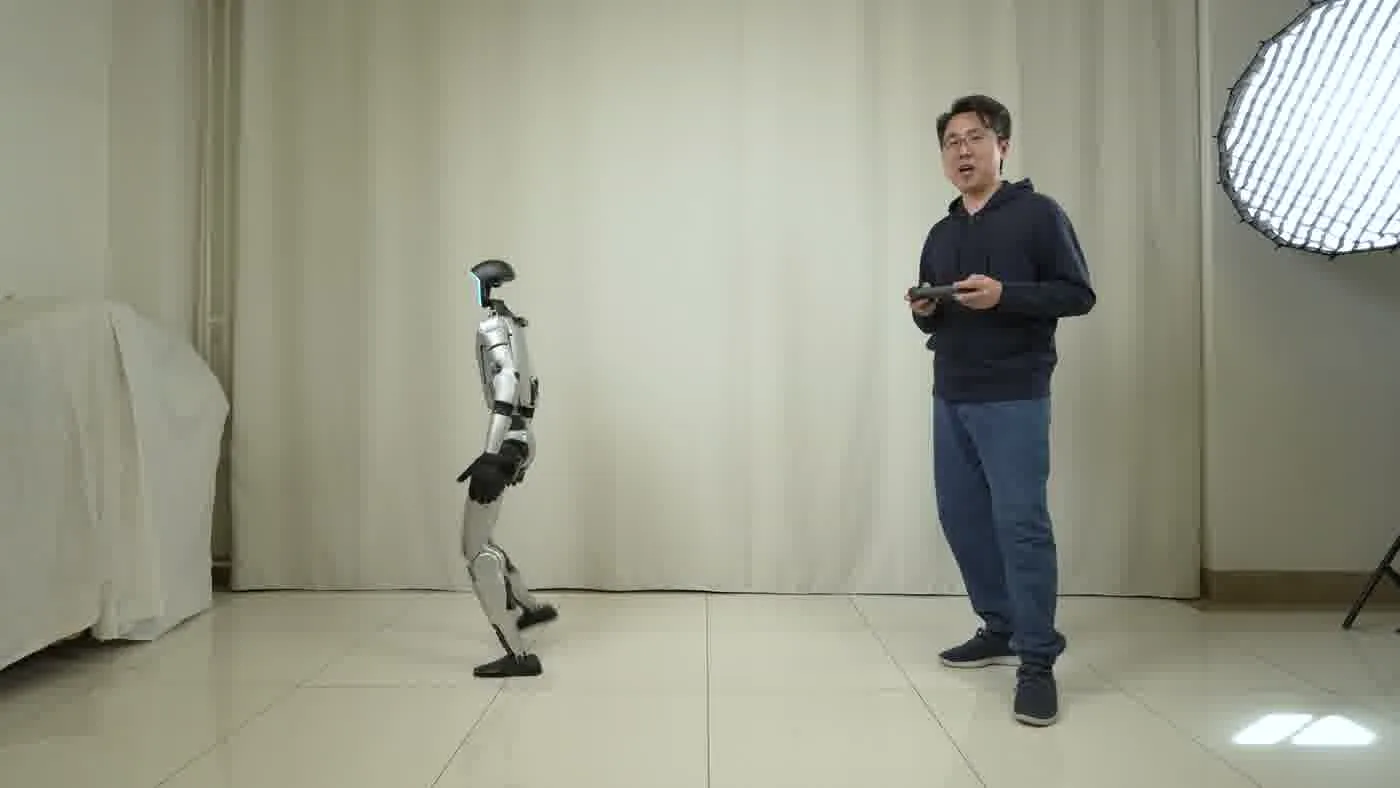
This is the cost category that surprises buyers most. The assumption going in is that the G1 is operable by anyone with basic tech familiarity after a short orientation. The reality is more demanding, particularly for live event applications where the robot needs to perform consistently in front of paying clients, investors, or the public.
What Consistent Event Performance Requires
Operating the G1 for live events is different from operating it in a controlled lab or warehouse environment. Event floors have uneven surfaces, cables, crowd dynamics, and environmental conditions — lighting, sound levels, temperature — that change constantly. An operator who has only worked with the robot in a clean, predictable space will encounter problems the first time they run it at a real event.
Building the judgment to handle event-floor conditions takes time. Operators need to develop an intuition for when the robot is approaching a surface it cannot safely cross, how to manage crowd proximity without creating contact risk, and how to recover gracefully from the unexpected situations that live events reliably produce. This is not something that can be read from a manual. It accumulates through supervised operational hours.
Training Timeline
A realistic training timeline for a new operator to reach the level of competence required for unsupervised live-event deployment is measured in months, not days. The first phase covers hardware familiarity: powering up and down safely, charging protocol, transport and setup procedures. The second phase covers basic operation: walking sequences, interaction scripting, emergency stop procedures. The third phase — the one that takes the most time — is event-environment exposure, where the operator builds judgment through actual deployments with increasing autonomy.
If the buyer does not already have staff with robotics operations experience, they are building from zero. That means either a significant investment in structured training, or a period of supervised deployments with an experienced operator alongside — neither of which is free.
Ongoing Labor Cost
Once trained, a qualified robot operator is a skilled technical resource. Retaining that person — and keeping their skills current as the G1’s software and operating procedures evolve — is an ongoing labor cost. If an operator leaves, the training investment exits with them. For organizations that run fewer than a dozen events per year, the math of maintaining a trained operator on staff versus booking a service provider with operators already in place is worth modeling carefully. The buy or rent humanoid robot decision framework covers this dimension of the analysis explicitly.
Industry coverage of humanoid robot deployment has noted the operator training gap as a recurring friction point for organizations that acquire robots for demonstration purposes. TechCrunch‘s coverage of humanoid robotics adoption in 2025 and 2026 consistently identified operational readiness — not hardware cost — as the primary barrier for organizations moving from ‘interested’ to ‘deployed.’
Software, Updates, and Integration
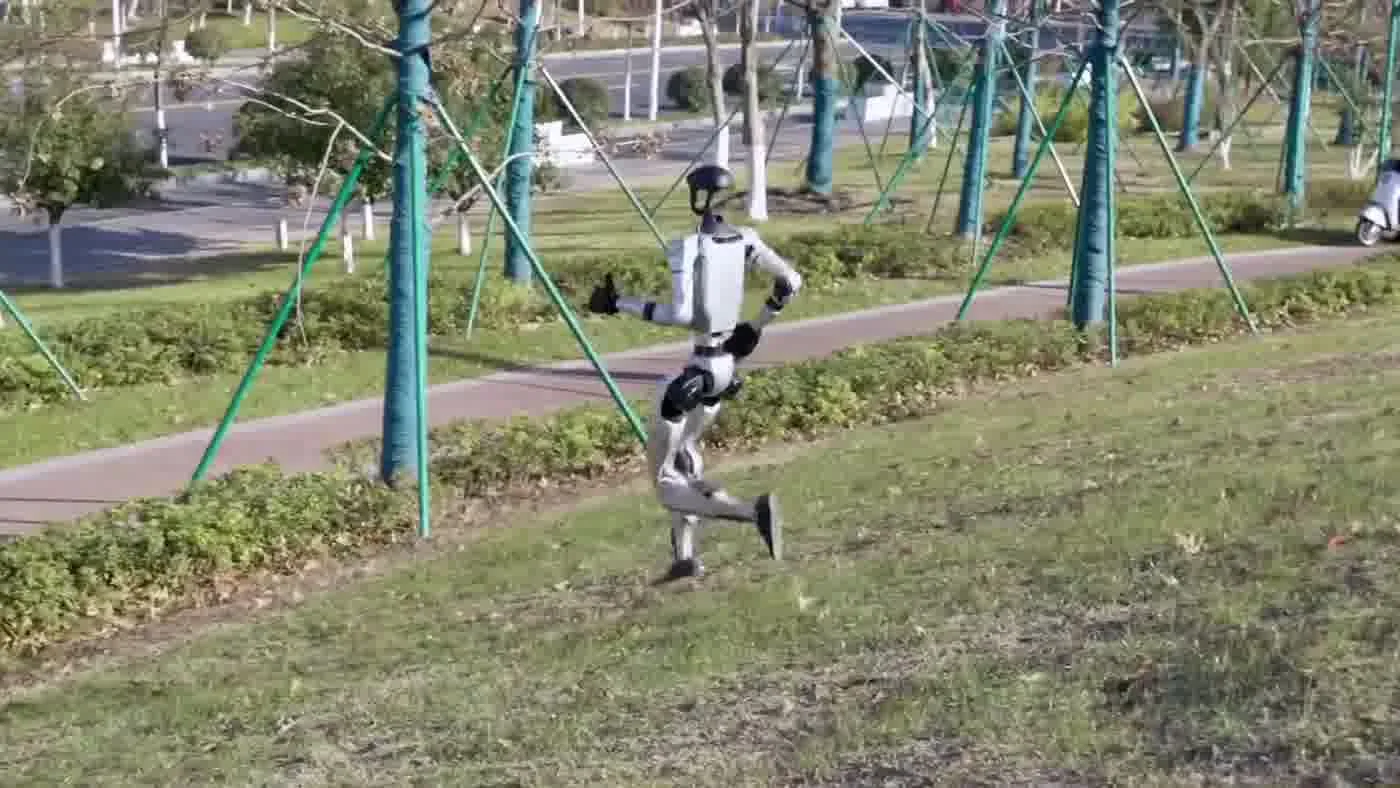
The G1 runs Unitree’s proprietary operating system and control software. Out of the box, it supports a defined set of locomotion behaviors and interaction modes. For buyers who want to use the robot for standard demonstration applications — walking sequences, wave and gesture interactions, crowd navigation — the base software package may be sufficient. For buyers who want custom behaviors, branded interaction scripts, or API-driven control tied to their own systems, the software development cost becomes a significant line item.
Software Updates and Compatibility
Unitree releases firmware and software updates for the G1 platform as the hardware matures and new capabilities become available. Applying updates is not always plug-and-play: custom behaviors or third-party integrations built on a previous software version may require rework after an update. Buyers who have invested in custom application development need to budget for update compatibility testing as part of their ongoing software cost.
In the wider robotics industry, the challenge of maintaining custom software on a rapidly evolving platform is well-documented. IEEE Spectrum‘s coverage of humanoid robot deployment in commercial settings has repeatedly highlighted software maintenance as an underestimated cost — particularly for organizations that invest in custom behavior development and then face compatibility questions when the platform’s base software advances.
Custom Behavior Development
The gap between ‘the robot walks and waves’ and ‘the robot does exactly what our event program requires’ is filled by software development. Custom interaction sequences, branded audio output, synchronized lighting triggers, and integration with event management systems all require engineering time. That time has a cost whether it comes from an internal developer, a contracted robotics engineer, or a systems integrator.
Buyers who have evaluated custom behavior requirements and decided ownership makes sense for their use case can find the G1’s technical documentation and SDK resources through Unitree’s developer portal. For buyers still in the evaluation phase, the do not buy the humanoid robot post is a direct challenge to the assumptions that typically drive early purchase interest — worth reading before committing.
IT and Network Infrastructure
Event venues have variable Wi-Fi infrastructure, and the G1’s connectivity requirements for remote monitoring and control mean buyers need to think about network access as part of every deployment plan. For organizations using the robot regularly at different venues, a portable network solution — a dedicated LTE hotspot or a portable router — becomes part of the equipment kit. This is a minor but real recurring cost that buyers rarely factor in at the purchase stage.
Depreciation and Technology Cycles
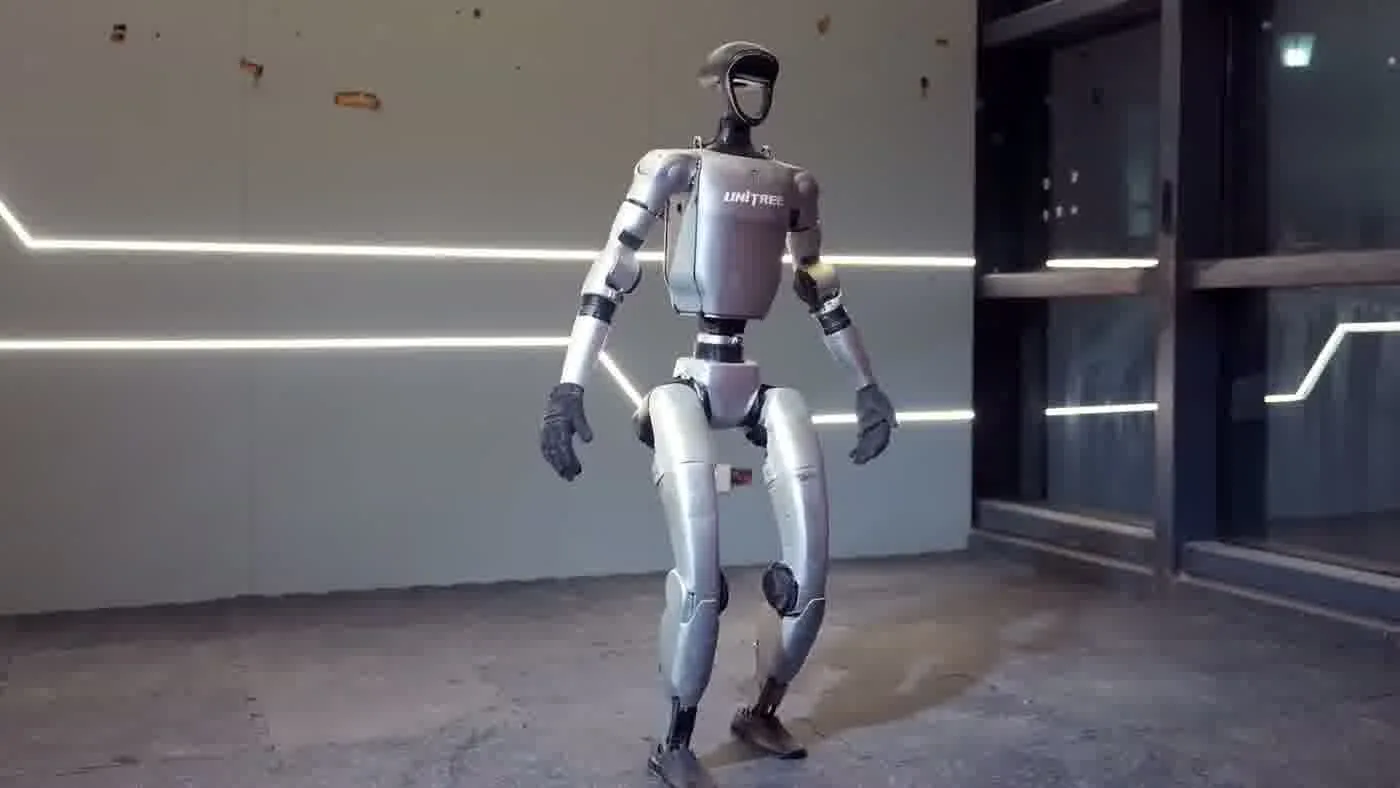
Humanoid robotics is advancing faster than almost any other hardware category in the technology sector. The G1 that cost approximately $70,000 in 2024 competes in 2026 against a market where new platforms are announced quarterly and capability benchmarks shift substantially year over year. Buyers who owned the G1 in 2024 are already fielding questions about how their hardware compares to 2026 models — and the answer is not always favorable.
Tech Depreciation vs. Real Estate Depreciation
Buyers who are accustomed to thinking about equipment depreciation in real estate or construction terms — where a major asset holds value over five to ten years with modest annual decline — need to recalibrate for robotics hardware. The G1 depreciates more like a smartphone than a forklift. A model that commands $70,000 today will face meaningful secondary-market pressure within 18 to 24 months as newer platforms reach comparable price points with greater capability.
This is not unique to Unitree or the G1. The entire humanoid robotics sector is in a period of rapid capability improvement. IEEE Spectrum‘s annual robotics coverage has tracked the pace of capability improvement across the major humanoid platforms and consistently found that the benchmark for ‘state of the fleet’ advances faster than traditional industrial equipment markets. Buyers who model a five-year ownership window on the G1 should be honest with themselves about what that robot’s competitive position will look like in year three or four.
The Rental Alternative: Always Current Hardware
One of the structural advantages of renting rather than owning is that the depreciation risk sits with the service provider, not the customer. When you rent the G1 from ZMProbots, you book the platform that is in service today — not a two-year-old unit that has been through a hundred event deployments. As the hardware market evolves and newer platforms become available, a rental relationship allows organizations to move with the technology cycle rather than being anchored to a purchase they made in a prior generation.
For organizations considering the rent-vs-buy question from a pure financial modeling perspective, the for sale vs rental decision framework is the right starting point. It works through the depreciation variable as part of the full ownership cost model.
What Buyers Who Own Are Saying in 2026
The buyers who have worked through the full ownership cost and decided to purchase typically share a common profile: they run more than 20 event days per year, they have an internal technical team capable of maintaining and operating the robot, and they have specific use cases that require customization that a rental relationship cannot easily support. For that buyer, the TCO math can favor ownership. For the buyer running six to twelve events per year with no existing robotics operations capability, the TCO math almost always favors renting. The humanoid robot for sale 2026 post covers the buyer profile that ownership actually fits, without the sales pressure to push the purchase decision.
People Also Ask
What is the total cost of ownership for the Unitree G1?
The Unitree G1 total cost of ownership starts with the approximately $70,000 purchase price and adds storage, routine maintenance, parts replacement, operator training, software development or licensing, logistics, and the carrying cost of technology depreciation. The exact total depends heavily on how many events per year the robot is deployed, whether you train internal operators or rely on contractors, and how aggressively you invest in custom software.
Is it cheaper to rent or buy the Unitree G1?
For most event-use buyers running fewer than 20 event days per year, renting is more cost-effective once full ownership costs are modeled. The 3-year cost comparison works through the math across different event-day scenarios and gives buyers a framework for running their own numbers. Self-Service rental starts from $299 per day. Full-Service Event deployments are priced on request.
How much does it cost to train a robot operator for the Unitree G1?
There is no standard off-the-shelf training program for G1 event operators. Training costs depend on the existing technical background of the person being trained, the intensity of the training program, and the number of supervised deployment hours required before the operator works independently. Buyers should budget for a training period measured in months rather than days, and should model both the direct training cost and the labor cost of the operator’s time during the training period.
Does the Unitree G1 require ongoing maintenance?
Yes. The G1 has 41 actuated joints with mechanical components that wear with use, a battery system with a finite charge cycle count, and software that requires periodic updates. Unitree recommends specific maintenance intervals, and operating the robot at live events without adhering to those intervals increases the risk of unexpected downtime. Maintenance is not optional — it is a recurring line item in the total cost of ownership calculation.
How fast does the Unitree G1 depreciate in value?
Hardware depreciation in the humanoid robotics sector is rapid — closer to consumer electronics than to traditional industrial equipment. A robot purchased today will face competition from meaningfully more capable platforms within 18 to 36 months. Buyers who plan to resell the robot after a few years should model secondary-market value conservatively. The Unitree G1 specs 2026 post documents current capabilities in context, which is useful for understanding where the platform sits relative to the evolving competitive field in 2026.
The Bottom Line
The Unitree G1 total cost of ownership is a multi-year financial commitment that most buyers underestimate at the purchase stage. The $70,000 purchase price is the starting point. Storage, maintenance, operator training, software development, and technology depreciation all add to what ownership actually costs year over year.
Buyers who have modeled the full cost and decided the economics work can find the G1 at the humanoid robot for sale page. Buyers for whom the numbers favor renting will find humanoid robot rental starts from $299 per day for Self-Service, with Full-Service Event options on request. Renting means no storage, no maintenance overhead, no training investment, and no technology depreciation exposure. The humanoid robot myths debunked post addresses the assumptions that most often push buyers toward ownership before the full cost has been modeled.