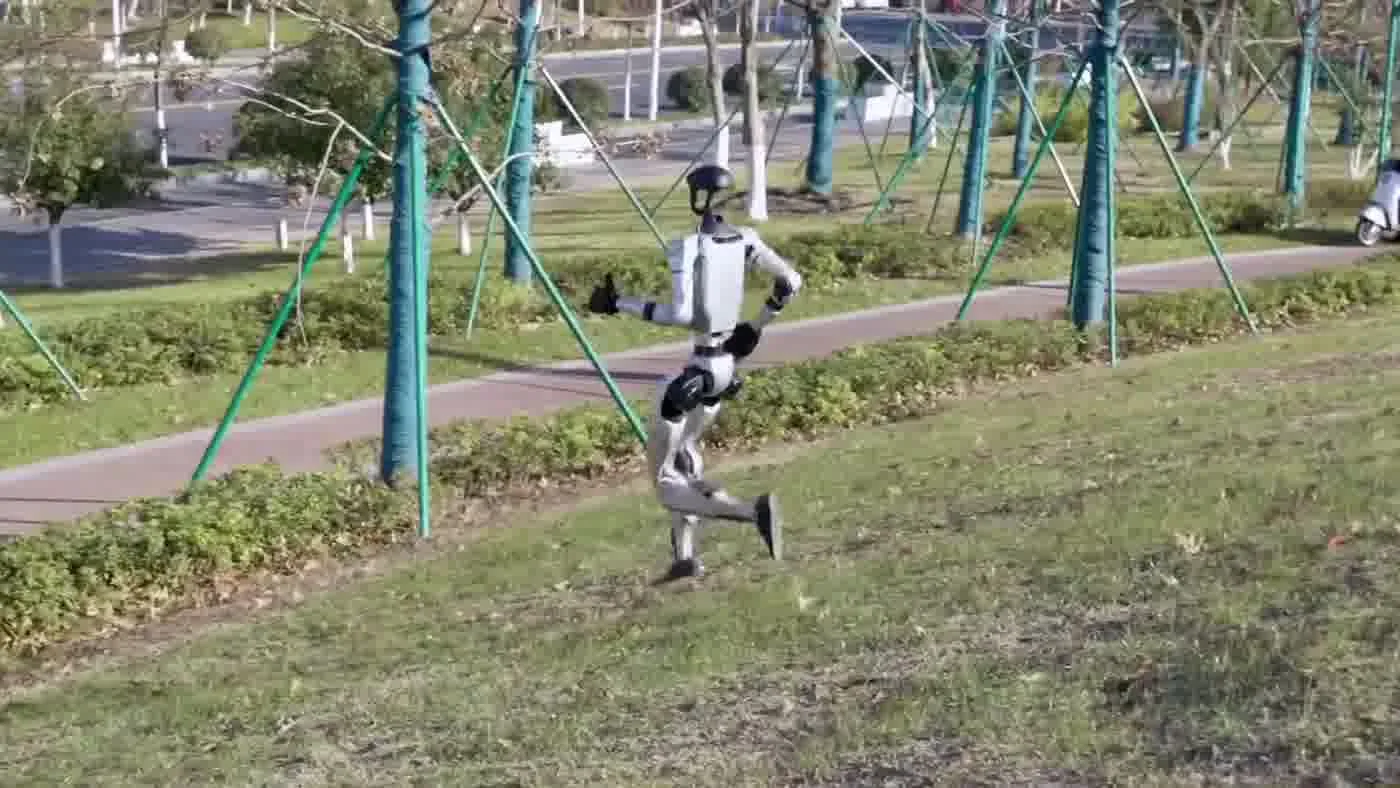
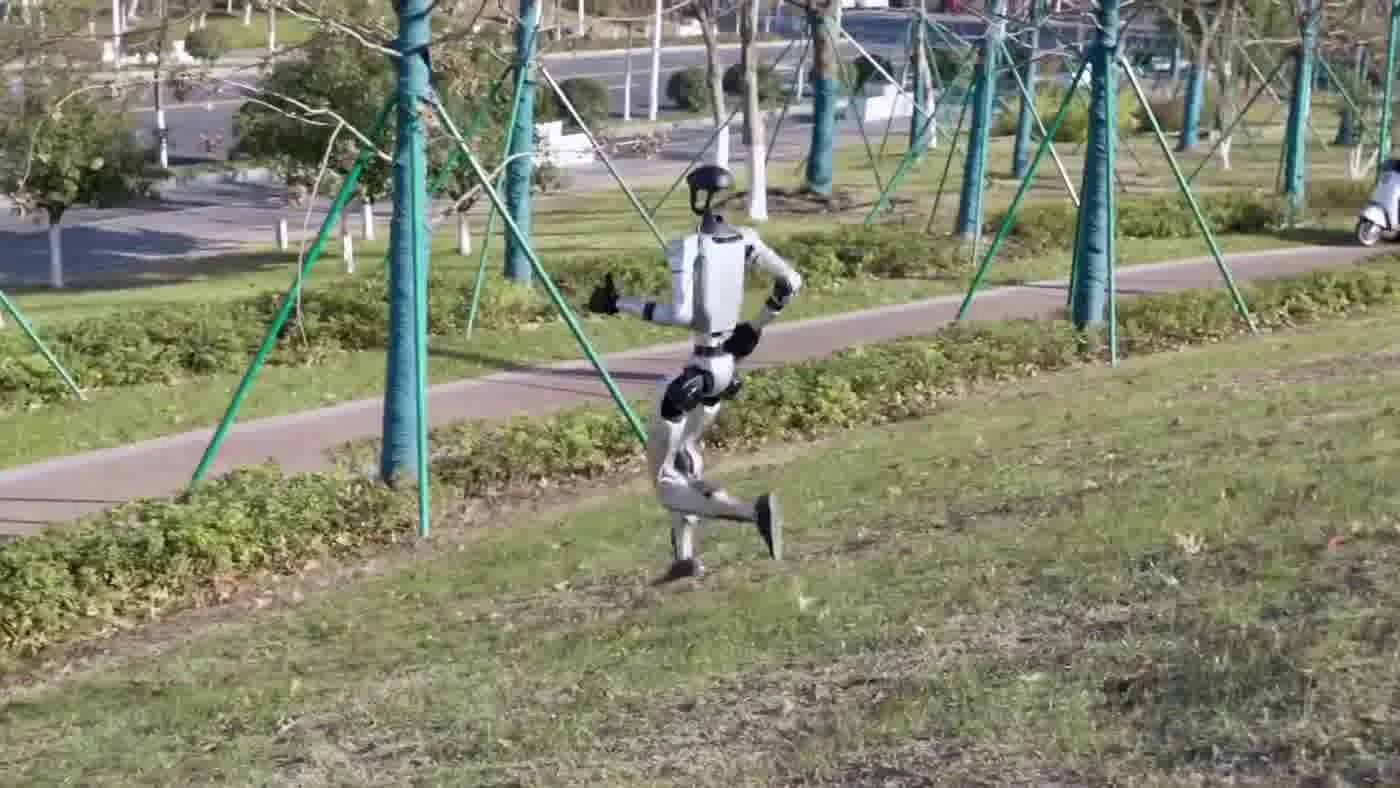
Jogging in Paris Street
Unitree G1 — At a Glance
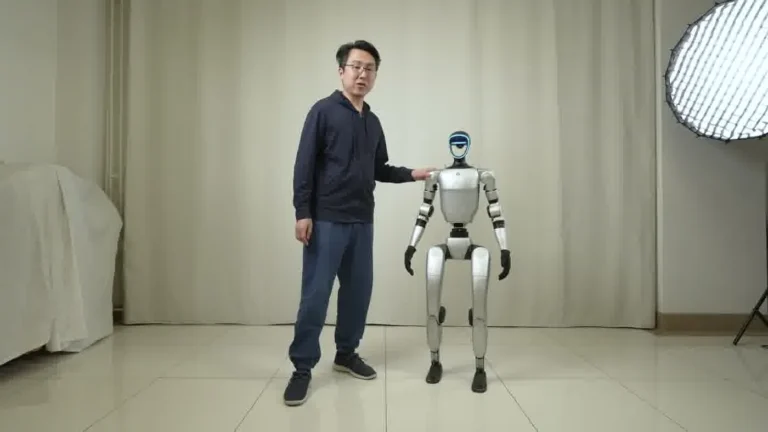
- 127 cm tall | 35 kg
- 41 degrees of freedom
- Five-finger dexterous hands
- 2-hour operational battery
- Onboard NVIDIA Jetson Orin
- Available to rent from $299/day
The Year-1 Cost Stack
What You Should Know
- Purchase price: $70,000 including sales tax (US market, approximate)
- Warranty: 8 months on the G1 Basic; 18 months on Edu editions
- No operator, maintenance plan, transport, or storage is included at the purchase price
- Most buyers underestimate year-1 operating costs by a wide margin
- Year-1 TCO consistently exceeds the sticker price for teams without robotics infrastructure
Year-1 is the most expensive year of G1 ownership. You pay the full purchase price upfront, incur setup and training costs, and do not yet have an established maintenance routine or deployment workflow. The Unitree G1 product page lists hardware specifications and current pricing, but does not include the operating costs that stack on top of the sticker:
Hardware Cost
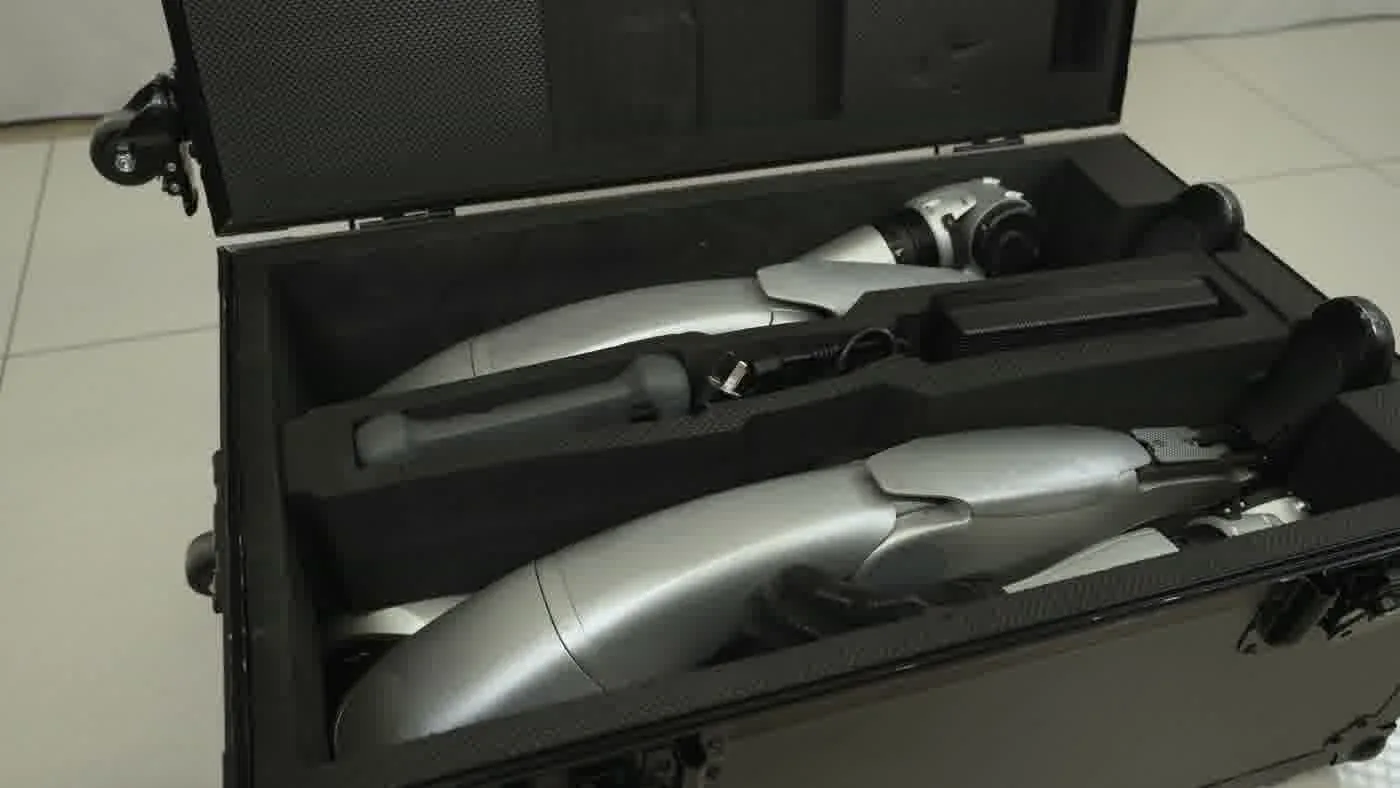
The $70,000 covers the robot, factory battery pack, controller, and manufacturer’s soft case. A padded hard transport case — essential for any event deployment — is an additional purchase. Spare battery packs for extended event runtime are priced separately. Initial spare parts inventory (actuator fuses, cable sets, common wear components) is a practical necessity for teams planning active deployment.
Setup and Integration
Getting the G1 event-ready requires more than unboxing. Motion library customization, operator training, demo sequence development, and integration testing against your specific event use case all take time and money. Teams without robotics experience typically need 4–8 weeks from receipt to first live deployment. See the full buyer journey in the humanoid robot price breakdown for what the purchase covers and what it does not.
Operator Cost: The Biggest Line Item
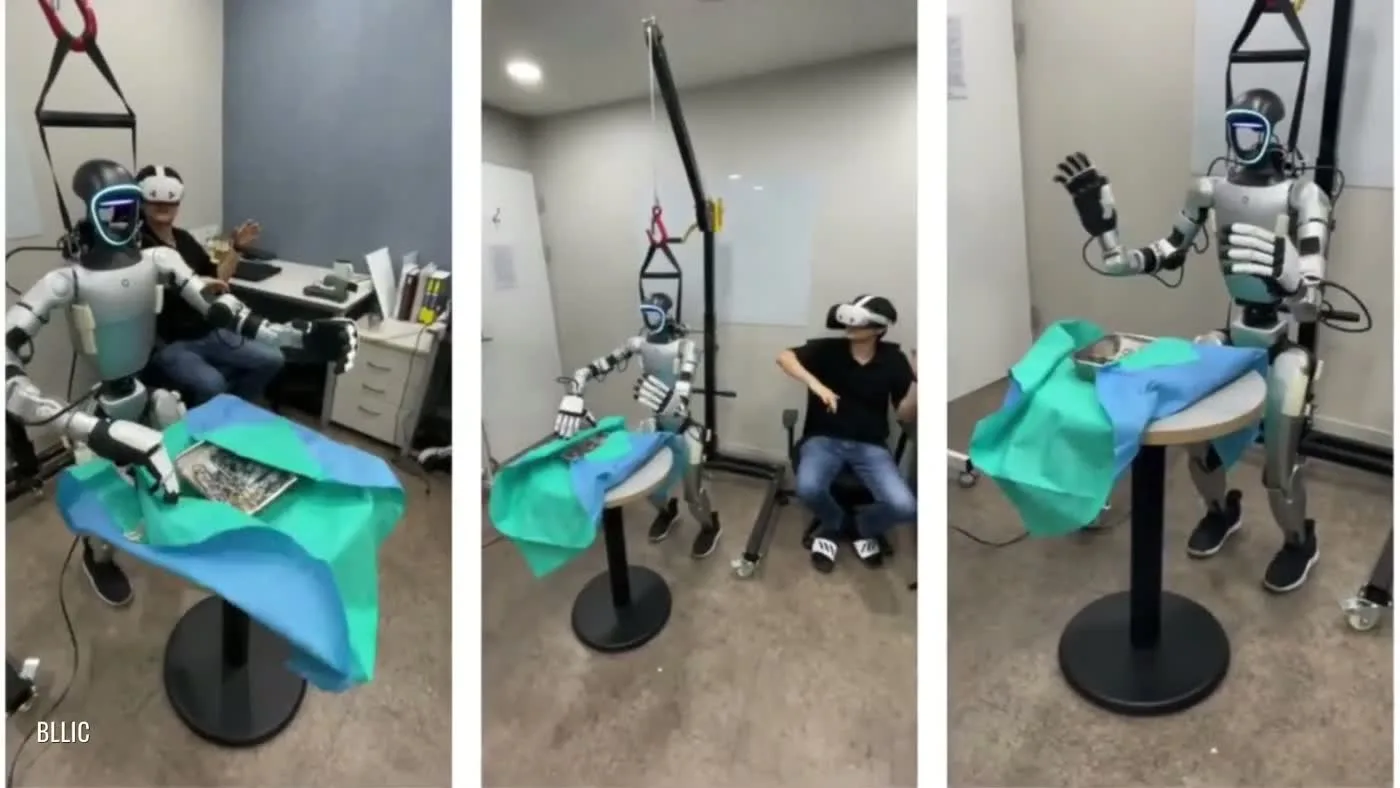
The G1 does not operate itself. Every deployment — whether a trade show, product launch, or R&D session — requires a person who can set up the robot, run it through its motion sequences, handle edge cases, and recover from field issues. This is the cost that most purchase calculations omit entirely.
What an Operator Needs to Know
Running a Unitree G1 at event quality requires familiarity with: the Unitree SDK and controller interface, common field fault recovery, battery management and swap procedures, venue safety protocol compliance, and the specific motion sequences programmed for each deployment context. This is not a one-day training task. Building an operator from scratch — someone with no prior robotics experience — takes weeks of dedicated practice before the robot is reliably deployable at public events.
Hiring vs Contracting
Teams typically pursue one of two paths: hire a full-time robotics technician or engineer who absorbs G1 operation as one of their responsibilities, or contract event-by-event with a freelance robotics specialist. Full-time hire amortizes the training investment but adds a full salary regardless of deployment frequency. Contracting limits cost to active deployment days but creates availability risk — the specialist may not be available on short notice for your event date. Research from IEEE Spectrum on commercial robotics deployment consistently identifies operator availability as the primary friction point in event-based humanoid deployments.
The Frequency Problem
Operator cost is what makes low-frequency deployment expensive. At 10–20 event days per year — typical for most marketing and event teams — the operator cost per deployment day often equals or exceeds the amortized hardware cost. That changes the math entirely. The full model is worked through in the 3-year buy vs rent cost analysis.
Maintenance, Parts, and Unplanned Repairs
The G1 has 41 degrees of freedom. That means 41 actuators — each a potential wear point. It has a 9,000 mAh battery pack with a finite cycle life. It has onboard compute running hot during active demos. All of these degrade. Maintenance is not a contingency item; it is a scheduled line in the operating budget.
Scheduled Maintenance
Routine maintenance covers joint lubrication and inspection, actuator torque calibration, battery health monitoring and eventual replacement, and firmware updates. The G1 Basic warranty covers 8 months from purchase date. After warranty, repair costs fall entirely on the owner. The Unitree Edu edition extends warranty coverage to 18 months and is worth selecting for teams planning multi-year ownership at event deployment intensity.
Unplanned Repairs
Event deployments carry collision risk that lab use does not. Crowd contact, uneven flooring, cable snags, and human error during setup create damage vectors that are difficult to fully budget in advance. Without damage coverage equivalent to ZMProbots’ ZMP Protection — which owners do not have unless they source separate commercial cover — every repair is a direct expense. Actuator replacements and joint rebuild costs are the most common significant repair items. The real cost of buying a humanoid robot covers what buyers report after their first year of active event deployment.
Software Maintenance
Firmware updates occasionally require downtime and re-testing of motion sequences. New software versions may change the behavior of existing demos, requiring an operator to re-validate sequences before the next deployment. This maintenance cost is measured in time, not just money — and time on a deployment schedule has a real opportunity cost.
Storage, Transport, and Deployment Logistics
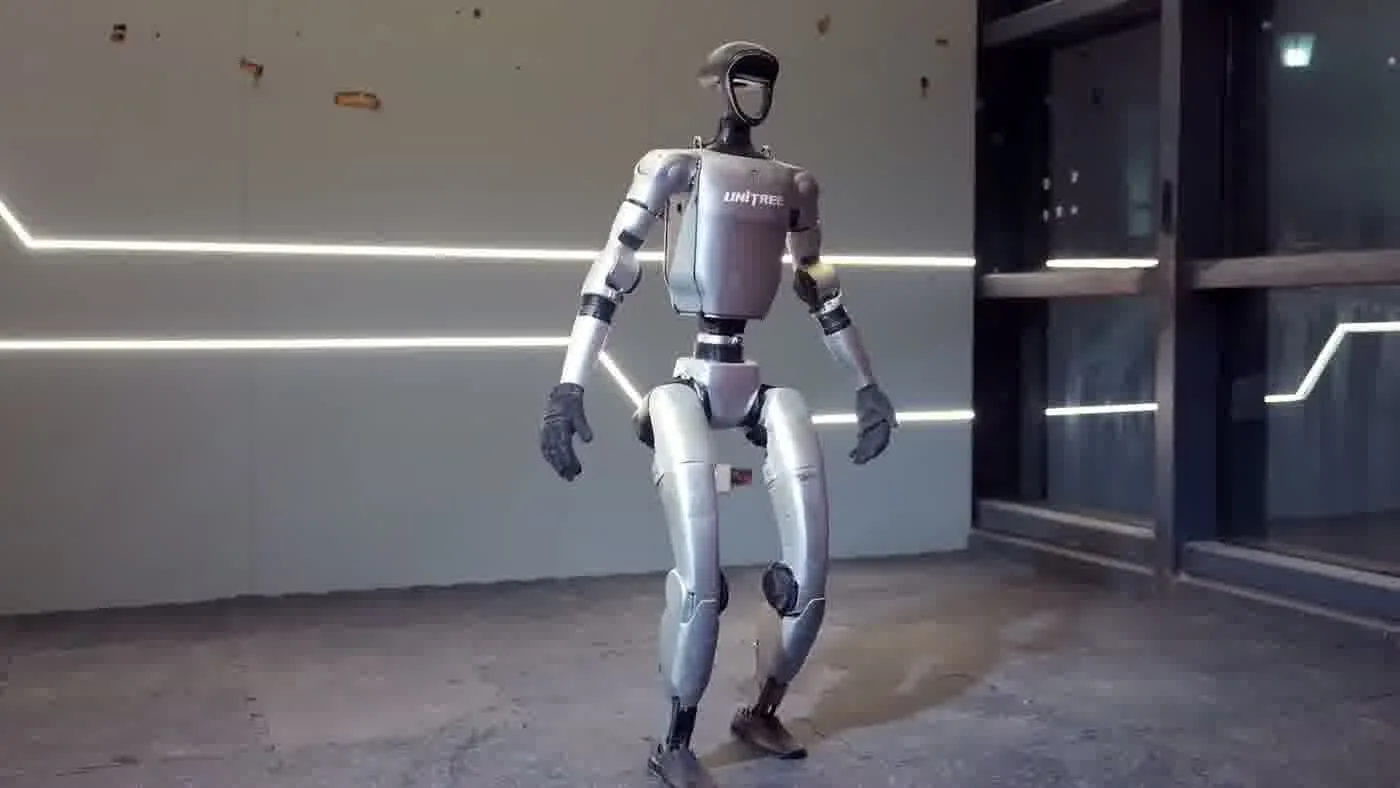
A 35 kg robot at 127 cm tall needs infrastructure to move and store safely. These costs are invisible in the purchase decision and obvious by the end of month one.
Storage Requirements
The G1 requires climate-controlled, secure storage between deployments. Extreme temperatures affect battery health and joint actuator performance. Humidity affects the onboard electronics. A standard commercial storage unit works in mild climates; dedicated office or warehouse space with climate control is the safer option for teams in regions with hot summers or cold winters.
Transport
Moving the G1 between events requires a vehicle with adequate cargo space — the robot in a padded hard case occupies a significant volume and weight allowance. Freight shipping to trade shows in other cities or other regions adds cost and risk. Shipping a 35 kg precision robot with fragile actuator assemblies requires specialist freight handling. Standard parcel carriers are not appropriate. The UK vs US logistics comparison illustrates how cross-border transport adds cost complexity that owners absorb and renters do not.
Deployment Logistics
Every event deployment requires: advance venue coordination (floor plans, power access, crowd barriers), pre-event setup time (typically 2–3 hours), and teardown time after. For owned robots, all of this is on your team. For rented robots, ZMProbots handles delivery logistics and (on Full-Service Event) the on-site operation. The difference in organizational load is significant for teams without dedicated robotics staff.
Depreciation and Hardware Lifecycle
Humanoid robot hardware is on a rapid release cycle. The G1 was announced in 2024 and has already seen specification updates in the period since launch. Unitree shipped approximately 5,500 G1 units in 2025 and is targeting significantly higher volume in 2026. Higher volume accelerates platform iteration — which accelerates the depreciation clock on units purchased today.
What Depreciation Looks Like
A G1 purchased in 2024 is already two specification iterations behind the current version. The market price of used G1 units reflects this: resale value for early-generation units drops noticeably as newer specifications become available. For teams planning 3-year ownership, the terminal value of the robot is a meaningful part of the TCO model. Most buyers do not model terminal value at purchase — and then discover it when they try to upgrade.
Technology Risk
Beyond unit-level depreciation, the platform itself may be superseded by a materially better successor within the ownership window. Unitree has announced a target of 20,000 units shipped in 2026 — a volume trajectory that historically correlates with rapid capability improvements as manufacturer revenues fund faster R&D cycles. Buyers locking into hardware today absorb that risk. Renters always have the latest production-ready hardware available to them. For the full financial model including depreciation across a 3-year window, see the buy vs rental decision framework.
When Ownership Beats Rental
Ownership is not always the wrong call. It is the right call for specific profiles that meet specific conditions. Here is where the math turns:
High-Frequency Deployment
The breakeven point between ownership and rental depends on deployment frequency. At very low event counts per year, rental wins by a wide margin. As frequency increases, the amortized hardware cost per deployment day falls, and ownership becomes more competitive. For most commercial event teams, the crossover is somewhere above 80–100 deployment days per year — a level that event agencies and brand experience teams rarely reach. University research programs and industrial development teams often do.
Existing Robotics Infrastructure
Organizations that already employ robotics engineers and have established maintenance workflows absorb the operating cost of a G1 without adding headcount. For them, the operator cost line does not exist as a new budget item — it is absorbed into existing roles. That changes the TCO calculation significantly. If your team already runs other Unitree hardware, adding a G1 is incremental, not transformational.
Custom Application Development
Teams that need to build custom applications — proprietary motion sequences, integrated sensor processing, custom interaction software — need long-term hardware access that rental cannot provide. R&D programs, university robotics labs, and technology companies building G1-based products are all genuine purchase use cases. If the robot is infrastructure for software you own, purchase makes sense. If the robot is a prop in an event, rental is almost always cheaper.
The buy a humanoid robot page covers what the purchase process looks like, what configuration options exist, and what ZMProbots recommends evaluating before committing to a unit.
People Also Ask
What is the total cost of owning a humanoid robot?
Year-1 total ownership cost for the Unitree G1 — including the $70,000 purchase price, operator wages, maintenance, storage, and transport — typically runs significantly above the sticker price for teams without existing robotics infrastructure. The exact number depends on deployment frequency and team capability.
How much does it cost to maintain a humanoid robot per year?
Maintenance costs scale with deployment intensity. Light use (a few events per year) incurs routine calibration and battery monitoring costs. Active event deployment adds wear-based actuator maintenance, battery cycle management, and occasional unplanned repairs. Planning a meaningful maintenance budget from year one is more accurate than assuming the robot will run indefinitely without cost.
Do humanoid robots need a dedicated operator?
Yes, for any event or public-facing deployment. The G1 requires a human operator who understands the controller, knows the motion library, and can recover from unexpected situations. Autonomous operation without an operator on standby is not appropriate for live public events at current capability levels.
How long does a Unitree G1 last?
Unitree offers an 8-month warranty on the G1 Basic and 18 months on Edu editions. With proper maintenance and careful deployment, the hardware should last significantly longer. The limiting factor for most event deployments is not hardware failure but platform obsolescence — newer G1 generations with improved capability become available within the ownership window.
Is it cheaper to buy or rent a humanoid robot?
For most commercial use cases at event frequency, renting is cheaper once all ownership costs are modeled. The break-even point is approximately 80–100 deployment days per year with an existing in-house robotics team. Below that threshold, the per-event cost of rental is almost always lower than the amortized total cost of ownership.
The Bottom Line
The $70,000 purchase price is not the humanoid robot cost. It is the hardware cost. Operator, maintenance, storage, transport, and depreciation push the real year-1 number higher — often significantly — for teams deploying at event frequency.
The calculation is not complicated. Model your deployment frequency. Add a realistic operator cost. Add maintenance. Add transport and storage. Compare that number against the cost of renting the same robot for the same events. For most commercial buyers in 2026, that comparison resolves in favor of rental. For research programs and high-frequency industrial deployments, it resolves in favor of ownership. The math produces the right answer — the answer most buyers do not run before they commit to a purchase.