In 2026, the humanoid robot price question we hear most is this: why does the Unitree G1 cost approximately $70,000 in the US when our factory reference shows a much lower number? The gap is real. Understanding where it comes from is the first step to making a sound purchase decision — or deciding that rental is the right path for your use case.
Table of Contents
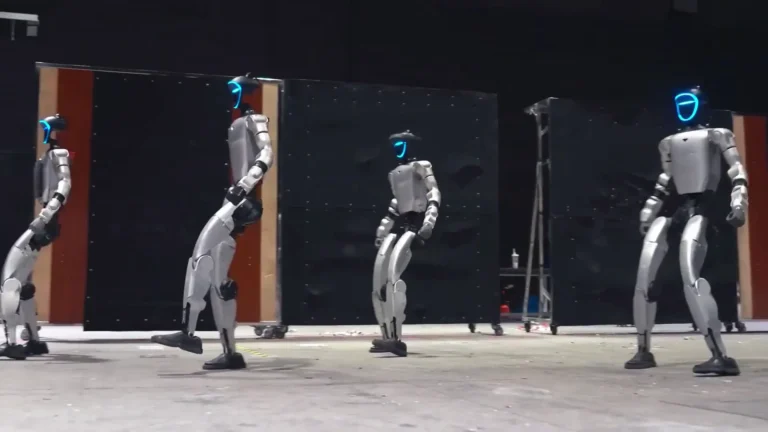
Walking Demo at GITEX Dubai
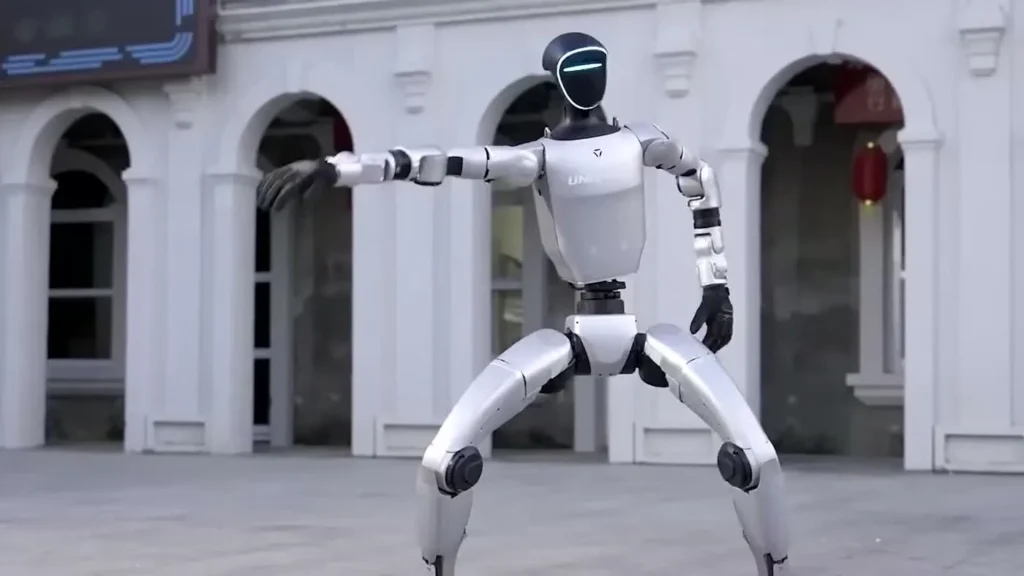
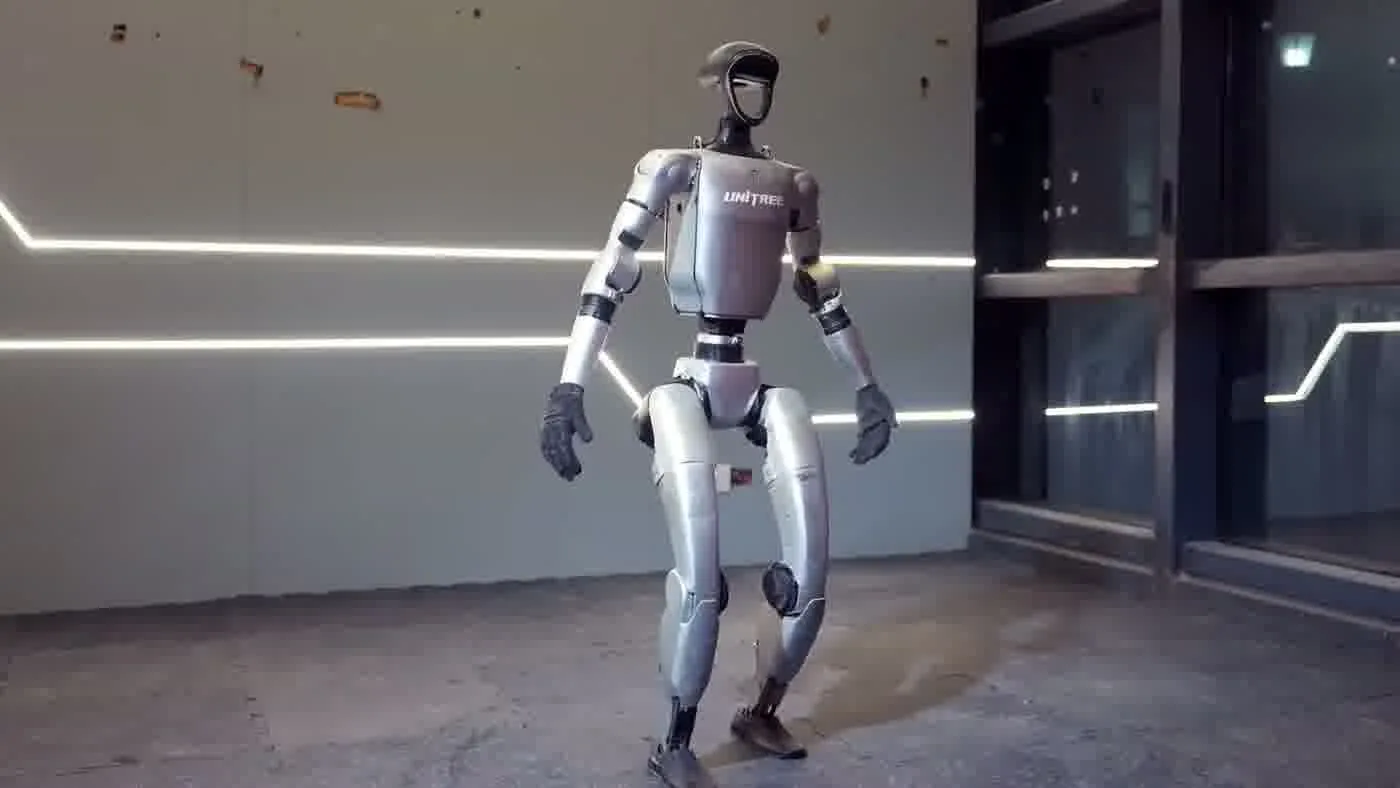
Unitree G1 — At a Glance
- 127 cm tall | 35 kg
- 41 degrees of freedom
- Five-finger dexterous hands
- 2-hour operational battery
- Onboard NVIDIA Jetson Orin
- Available to rent from $299/day
What You Should Know
- The Unitree G1 humanoid robot price in the US is approximately $70,000 (customer-facing)
- Factory base price starts at $13,500 (basic model, direct from Unitree)
- US resellers add import logistics, support, and margin — this is the source of the markup
- The G1 has multiple configurations: Basic, Plus, Pro, Enterprise/Ultimate — prices differ significantly
- Buying direct from China as a US buyer adds customs, import duties, and compliance overhead
These are the facts that matter most to a US buyer evaluating the Unitree G1. The sections below break each one down in detail — where the factory pricing comes from, what US resellers actually add to the cost, and how to decide whether purchasing at the full US price makes sense versus the rental alternative. For buyers who have already decided to purchase, the humanoid robot total cost post covers ownership costs beyond the purchase price.
What the Unitree G1 Actually Costs
The Unitree G1 price range is wide because it is not a single product — it is a platform with several distinct configurations. Understanding which configuration you are actually buying is the first step to making sense of the pricing.
Factory Base: $13,500
The G1 Basic starts at $13,500 factory price, direct from Unitree. This is the entry-level configuration: 23 degrees of freedom, the standard G1 frame at 35kg and 127cm, and base compute. It is a research and development unit, not a commercial deployment product. The Basic model is sold primarily to universities, robotics labs, and developers who need the platform for integration work. It is not the configuration most event or commercial buyers are purchasing.
Configuration Ladder: Plus, Pro, Ultimate
The G1 Plus moves to 29 degrees of freedom with enhanced hand capability. The G1 Pro adds 37 degrees of freedom and upgraded sensors. The Enterprise and Ultimate configurations reach 43 degrees of freedom with the full dexterous hand package, advanced perception, and the compute stack needed for autonomous navigation and interaction in commercial environments. Each step up the configuration ladder adds capability and cost. The US market price of approximately $70,000 reflects the Enterprise or Ultimate configuration — the product a commercial buyer actually needs for event, hospitality, or enterprise deployment work.
The Top of the Range
Fully configured, the G1 tops out at up to $73,900. This is the maximum spec: full dexterous hands, complete sensor suite, and the highest-tier compute. Most commercial buyers land somewhere in the $70,000 range depending on exactly which accessories and configuration options they select.
The price gap between Basic and Ultimate is not arbitrary. A 23-DOF basic unit and a 43-DOF Ultimate with full hands are genuinely different products in terms of what they can do in a commercial setting. The humanoid robot price 2026 post provides a broader market comparison if you want to see how the G1’s price range sits relative to other humanoid platforms currently available.
Where the US Reseller Markup Comes From
The markup between factory pricing and the US customer-facing price is large, and it deserves a clear explanation. Buyers who assume it is pure arbitrage are missing most of the picture. The gap is real — but so is the value that US resellers provide in exchange for it.
Import Logistics and Freight
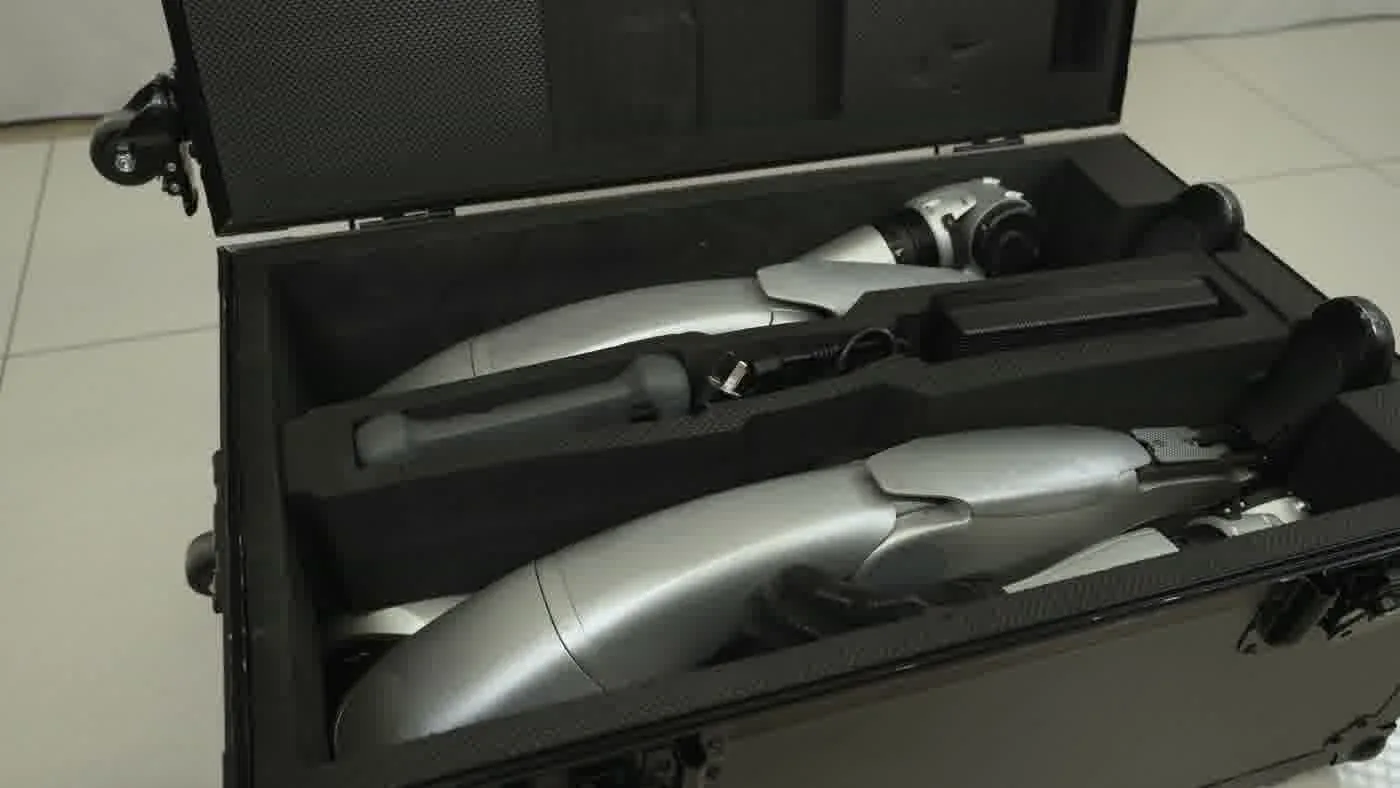
Shipping a 35kg precision robotics system from China to the US is not a standard freight operation. The G1 requires white-glove freight handling, climate-controlled transport, and careful customs documentation. The logistics cost is built into the US price. Buyers who attempt to source direct from China quickly discover that the freight and handling overhead is significant — and that is before any issues with customs clearance.
Customs and Import Duties
Importing industrial robotics from China to the US involves customs clearance and import duties that add to the landed cost. US resellers have established import pipelines and customs relationships that make this process routine. For an individual buyer attempting direct import, the same process is time-consuming, technically demanding, and carries the risk of customs holds that can delay delivery by weeks. The TechCrunch coverage of the US-China robotics trade environment in 2025 is useful background for buyers who want to understand the regulatory context.
US Compliance Documentation
Commercial deployment of a humanoid robot in the US — at events, in venues, on client premises — requires documentation that the factory version of the product does not automatically include. US resellers prepare the compliance paperwork: safety specifications, operator documentation, and the technical briefs that venues ask for before they allow the robot on their premises. This documentation work is a real cost built into the reseller price.
Warranty Backing and Post-Sale Support
The factory warranty on a direct-import G1 is Chinese-jurisdiction and requires shipping the unit back to China for service. US resellers back their own warranties, provide US-based technical support, and carry spare parts. For a commercial operator deploying the G1 at client events, the difference between a same-week repair and a six-week international return is the difference between a functioning business and a missed deployment. That support infrastructure has real cost — and real value.
The real cost to buy a humanoid robot post goes deeper on total ownership cost, including warranty, maintenance, and the hidden costs that do not appear in the purchase price.
Buying vs Renting: The Price Math
At a $70,000 purchase price, the buy-vs-rent calculation is worth doing carefully before committing. Most buyers who come to us after pricing out a purchase end up renting — not because the G1 is overpriced, but because their actual use case does not justify ownership at that price point.
The Rental Alternative
ZMProbots Self-Service Rental starts from $299/day with a 3-day minimum. That means a 3-day event deployment costs a fraction of the $70,000 purchase price. Full-Service Event — where our operator runs the G1 for you — is priced per project based on duration and scope; request a quote for that tier. For buyers who need the G1 at two or three events per year, the rental path is almost always the better financial choice. The humanoid robot rental page covers both service tiers in detail.
When Buying Makes Sense
Purchase makes financial sense when a buyer has a deployment schedule dense enough to justify ownership — daily or near-daily use over an extended period, or a specific integration project that requires full hardware access. Research institutions, enterprise robotics teams, and operators building their own rental businesses are the buyers for whom the $70,000 purchase price is the right answer. Event clients who need the G1 for a handful of days per year are not.
The Depreciation Factor
The humanoid robotics market is moving fast. The G1 that is $70,000 today will be competing with next-generation hardware within two to three years. Buyers who purchase are taking on depreciation risk in a category where the pace of advancement is high. IEEE Spectrum tracks humanoid robotics development in detail — their coverage makes clear that the 2026 generation of commercial humanoids is not the end state of this market.
For a structured comparison with the full cost math, the for sale vs rental decision post walks through the analysis in detail. Buyers who have worked through that analysis and decided to purchase can find purchasing information on the buy the Unitree G1 page.
People Also Ask
What is the humanoid robot price for the Unitree G1 in the US?
The Unitree G1 humanoid robot price in the US market is approximately $70,000 for the customer-facing configuration. This reflects the Enterprise or Ultimate configuration with full dexterous hands and commercial-grade compute, plus US import logistics, compliance documentation, and reseller support. The factory base price for the basic model starts at $13,500 direct from Unitree.
Why is the Unitree G1 cheaper on the Unitree website than from US resellers?
The Unitree website prices the Basic model starting at $13,500, which is the entry-level research configuration. US resellers sell the fully configured Enterprise or Ultimate tier, and the price reflects import logistics, customs overhead, US compliance documentation, warranty backing, and post-sale support. A direct-import buyer still pays most of these costs — they just pay them separately rather than as part of the purchase price.
Can I buy the Unitree G1 directly from China to save money?
Technically yes, but the savings are often smaller than buyers expect. Direct import requires managing international freight for a precision 35kg robotics system, customs clearance, import duties, and obtaining US compliance documentation independently. The factory warranty is Chinese-jurisdiction. For buyers without experience in international robotics procurement, the hidden costs and logistics complexity typically close most of the apparent gap. The where to buy a humanoid robot in the US post covers the full sourcing decision.
What is the difference between the G1 Basic and G1 Ultimate?
The G1 Basic has 23 degrees of freedom and is a research platform. The G1 Ultimate has 43 degrees of freedom with full dexterous hands, advanced perception, and the compute stack needed for autonomous commercial operation. Both use the same 35kg, 127cm frame. The capability gap between them is significant — they are appropriate for completely different use cases. Commercial event and enterprise deployments require the higher-end configurations.
Should I buy or rent a humanoid robot for my event?
For most event use cases, renting is the financially sound choice. At $70,000 purchase price versus Self-Service Rental from $299/day, the breakeven point requires a very high annual deployment volume. Buyers who need the G1 for a handful of events per year should rent. Those with daily or near-daily deployment needs, or who are building their own operator business, should evaluate purchase. The buy or rent humanoid robot post works through the math in full.
The Bottom Line
The humanoid robot price for the Unitree G1 in the US — approximately $70,000 customer-facing — is not the same as the $13,500 factory base price, and the gap is not simply reseller profit. Import logistics, customs, US compliance documentation, warranty backing, and post-sale support all contribute. The fully configured G1 tops out at up to $73,900. Buyers who understand what they are paying for can evaluate the full US market price on its own terms.
For most event buyers, the more important question is whether purchasing makes sense at all. The do not buy the humanoid robot post makes the case for rental directly. Buyers still evaluating should start with the humanoid robot for sale 2026 guide. Those who have decided to purchase will find what they need in the section above.