In 2026, the question we hear most from event buyers is whether to buy humanoid robot hardware outright or rent by the day. Our answer starts with a number: 234. That is the minimum number of event days required to break even when you buy humanoid robot hardware at $70,000 versus renting at $299/day — before adding any ownership costs beyond the purchase price itself.
Table of Contents
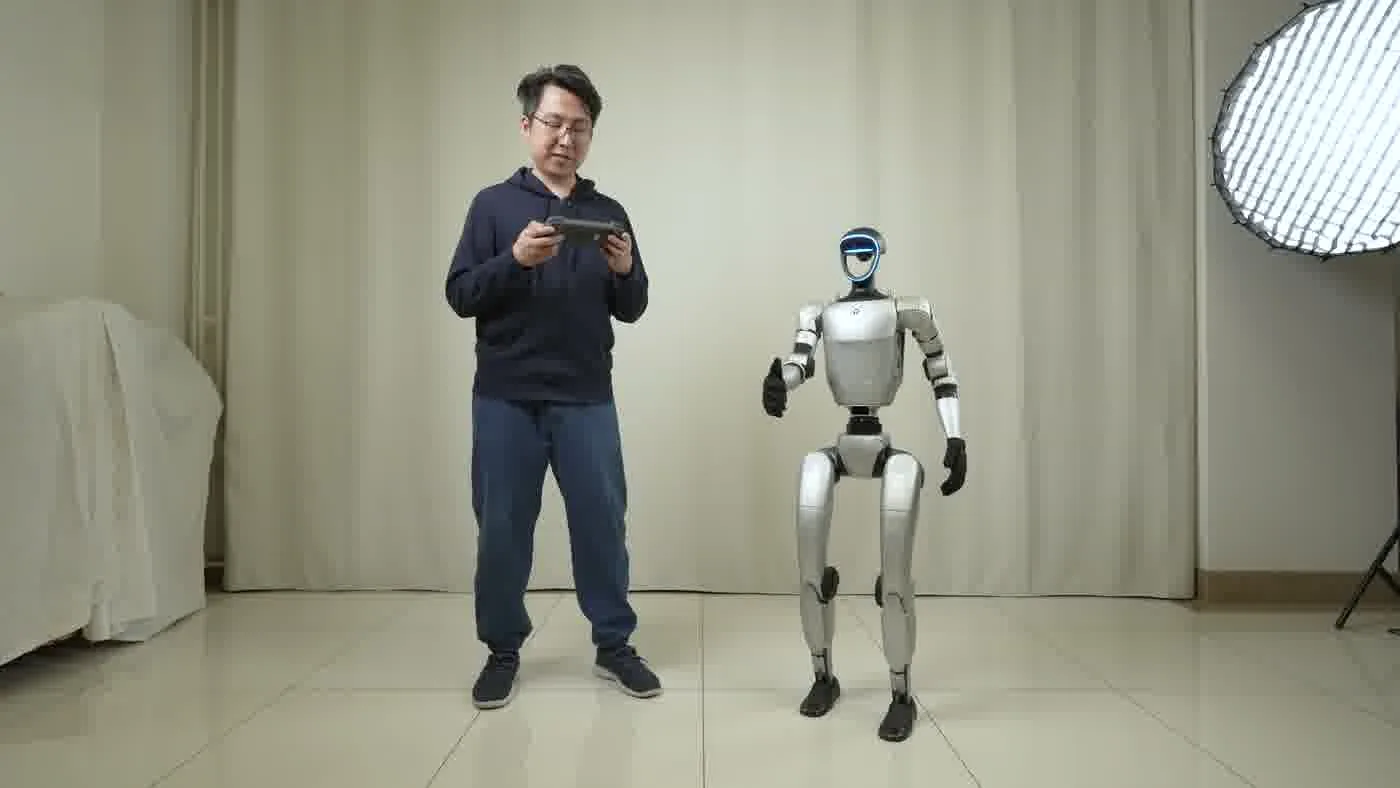
Playing Handpan at Tongji
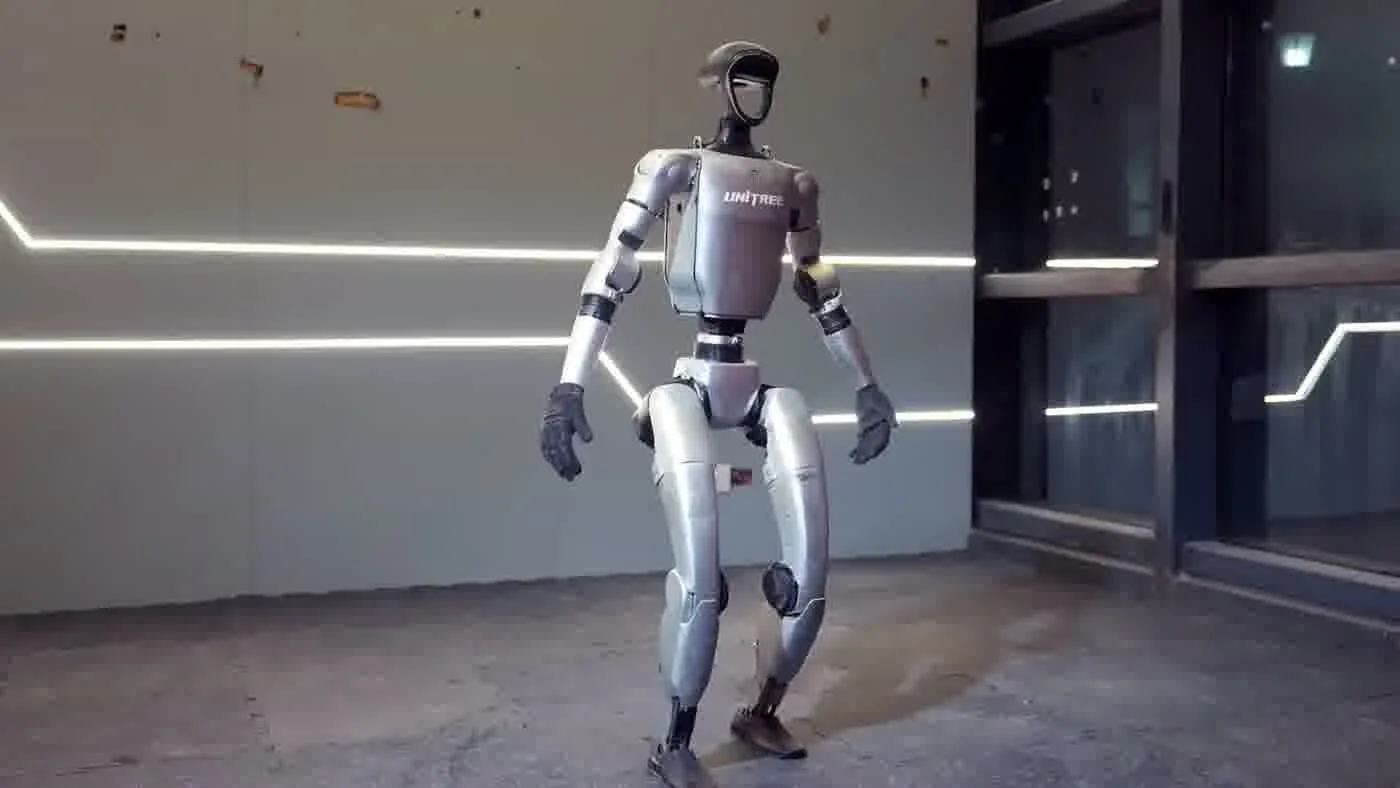
Unitree G1 — At a Glance
- 127 cm tall | 35 kg
- 41 degrees of freedom
- Five-finger dexterous hands
- 2-hour operational battery
- Onboard NVIDIA Jetson Orin
- Available to rent from $299/day
What You Should Know
- The break-even point for owning vs Self-Service renting at $299/day is approximately 234 event days
- Most event buyers average 4-12 robot deployment days per year — break-even takes 20-60 years at that rate
- Full-Service Event rental changes the math further because it includes an operator
- Ownership costs beyond purchase (maintenance, storage, training) extend the real break-even further
- High-frequency users — universities with daily lab use, tech companies with embedded robots — are the exception where buying may make sense
Most buyers approaching the buy vs rent question have a rough sense that owning should be cheaper ‘at some point.’ The math below shows when that point actually arrives — and how most event deployment schedules relate to it. For a broader look at how this decision plays out over three years across different event frequencies, the humanoid robot buy vs rent 3-year cost analysis runs the full comparison.
The Base Math
The starting calculation is simple. The Unitree G1 is priced at approximately $70,000. Self-Service humanoid robot rental starts from $299 per day. Divide the purchase price by the daily rental rate and you get the minimum break-even:
$70,000 ÷ $299/day = approximately 234 event days
This is the theoretical floor — the break-even point if you assume zero additional ownership costs beyond the purchase price. No storage. No maintenance. No operator training. No parts. No transport cases. Just the hardware cost divided by the rental rate.
That 234-day floor is already a significant threshold. It means that even in the most optimistic ownership scenario — where everything beyond the purchase price costs nothing — you need to deploy the robot for more than 234 days before owning beats renting at the Self-Service rate.
Why This Is the Minimum, Not the Real Break-Even
In practice, ownership is never free beyond the purchase price. A 35-kilogram precision robot with 41 actuated joints requires climate-controlled storage between deployments, scheduled maintenance on mechanical components, operator training before anyone can run it at a live event, and purpose-built transport cases to move it safely to venues.
Each of those costs adds to the effective cost of ownership. Which means the real break-even — the one that reflects what ownership actually costs — is higher than 234 days. How much higher depends on your specific situation, but the direction is always the same: real-world ownership costs extend break-even beyond the theoretical floor.
The humanoid robot total cost breakdown covers each ownership cost category in detail, which is useful for buyers who want to model the full picture before making a purchase decision.
Industry analysts who track humanoid robotics adoption have published extensively on the gap between purchase price and total ownership cost. TechCrunch‘s coverage of humanoid robot commercial deployments has consistently identified the total cost of ownership — not the sticker price — as the number that determines whether buying or renting makes financial sense for a given organization.
Ownership Costs That Extend Break-Even
The 234-day floor assumes ownership costs nothing beyond the purchase price. The real break-even is higher because four cost categories are unavoidable for any buyer who owns and operates a humanoid robot for event use.
Storage
The Unitree G1 cannot sit in a corner between events. It is a precision electronics system with a lithium battery array, exposed joint assemblies, and onboard compute hardware. Climate-controlled storage — managed temperature and humidity — is a baseline requirement to protect the electronics and battery cells during idle periods. Buyers who do not already operate appropriate storage facilities need to account for this as a recurring cost, even when the robot is not deployed.
Maintenance
The G1 has 41 degrees of freedom — 41 actuated joints with motors, gearing, and sensor assemblies. Mechanical components wear with use, particularly in the ankle and wrist assemblies that absorb the most contact load during demonstrations. Unitree recommends specific maintenance intervals, and skipping them increases the risk of unexpected component failure during a live deployment. Maintenance is not optional; it is a recurring cost that scales with how often the robot is deployed.
Operator Training
A humanoid robot does not arrive ready to operate at a live event. Running the G1 reliably in front of clients, at trade shows, or in public-facing corporate events requires an operator who understands the hardware, has worked through failure scenarios, and has enough deployment experience to manage the unexpected. Building that competence from zero takes months, not days — and the training investment exits with the operator if they leave. The buy or rent humanoid robot decision framework covers the operator training cost in context alongside the other ownership variables.
Transport and Logistics
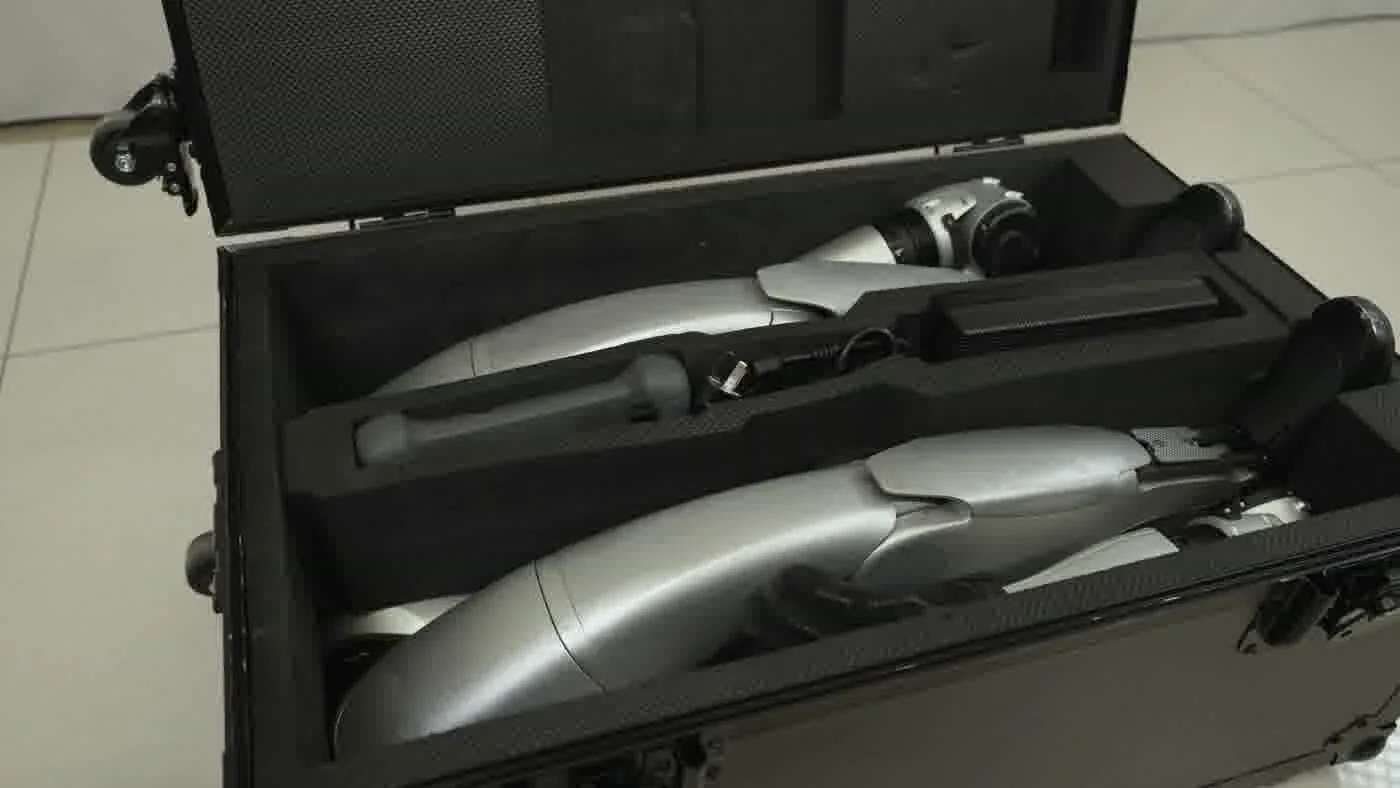
Moving a 35-kilogram humanoid robot to event venues requires purpose-built transport cases, appropriate vehicle access, and — for air freight — knowledge of carrier restrictions on lithium battery systems. These are real costs per deployment that do not appear in the purchase price. For buyers operating in multiple cities, logistics costs add up quickly and should be modeled as part of the full break-even calculation.
The combined weight of these four cost categories means that in practice, the real break-even for ownership is meaningfully higher than 234 days. The exact number depends on each buyer’s situation, but the direction is consistent: real ownership costs push the threshold further out. The Unitree G1 TCO vs rental comparison works through these categories with specific modeling approaches buyers can apply to their own numbers.
Event Frequency Reality
The break-even math only tells half the story. The other half is how often corporate event buyers actually deploy a humanoid robot. The answer, for most organizations, is far less often than the break-even math requires.
Typical Corporate Event Deployment Rates
A corporate event buyer — a company using a humanoid robot at trade shows, product launches, shareholder events, or brand activations — typically falls into one of these deployment ranges:
- Occasional users: 1-3 major events per year, each lasting 1-3 days. Total: roughly 3-9 robot-days per year.
- Regular users: Monthly events or quarterly shows, each lasting 1-3 days. Total: roughly 12-36 robot-days per year.
- High-frequency users: Weekly or near-daily deployment. Total: 50+ robot-days per year. This profile is uncommon in pure event use.
What These Rates Mean for Break-Even
Take the quarterly deployment schedule as a concrete example. Four events per year, averaging two deployment days each, equals eight robot-days per year. Against a 234-day break-even floor:
234 days ÷ eight days per year = approximately 29 years to break even
That is the minimum break-even at the $299/day Self-Service rate, with the unrealistic assumption that ownership costs nothing beyond the purchase price. Real ownership costs push that number further out. At a quarterly deployment rate, buying versus renting at the Self-Service rate produces a break-even that exceeds any reasonable business planning horizon.
Even at a more aggressive monthly deployment schedule — 12 events per year at two days each, so 24 robot-days per year — the floor break-even is approximately ten years. Still well beyond the typical 3-5 year equipment budget cycle that most corporate buyers use for technology investments.
The Full-Service Comparison Is Different
The comparison above uses the Self-Service rental rate. Full-Service Event deployment — which includes a trained ZMProbots operator — is priced on request and is designed for buyers who want a fully managed, white-glove experience without any operational overhead. For that buyer, the decision to buy vs rent is not just a cost question; it is also a question of whether they want to invest in the operational infrastructure that full ownership requires. The humanoid robot myths debunked post addresses the assumption that owning a robot automatically removes operational complexity — it does not.
Research on humanoid robot commercial adoption consistently confirms that utilization rate is the determining variable in ownership economics. MIT Technology Review‘s coverage of enterprise robotics deployment has identified the gap between theoretical utilization (what buyers expect when purchasing) and actual utilization (what they achieve over 12-24 months) as one of the most consistent findings in the field.
Who Has a Real Business Case for Buying
The math above is not an argument against buying — it is a framework for identifying which buyers the economics actually favor. There are three profiles where buying a humanoid robot makes financial sense.
Universities and Research Labs
Academic institutions using the G1 for robotics research, AI development, or human-robot interaction studies deploy the robot differently than event buyers. A university lab may run the robot daily — multiple sessions per day, six or seven days a week, for months at a time during active research periods. At that utilization rate, the break-even arrives quickly, and the ownership rationale extends beyond cost: researchers need continuous access to the hardware to run controlled experiments, collect proprietary datasets, and build on previous sessions without scheduling around rental availability.
Tech Companies Building Automation Into Products
Technology companies developing robotic automation solutions, AI training pipelines, or hardware integrations need continuous access to the physical platform. A company building a new interaction layer on top of the G1’s SDK, or training a model that requires thousands of hours of physical robot data, cannot do that work on a per-day rental schedule. For these buyers, ownership is not primarily a cost decision — it is an operational requirement. The for sale vs rental decision framework covers this buyer profile explicitly alongside the event-use cases.
Professional Event Robotics Operators
Companies building a professional humanoid robot event service business — supplying robots and operators to other organizations at commercial rates — have a utilization model that can make the purchase economics work. If a professional operator is deploying a robot fifty or more days per year at commercial event rates, the break-even against a $299/day Self-Service rental arrives within a few years even after accounting for real ownership costs. The key qualifier is that this buyer is building a business around robot deployment, not using a robot as a tool within an existing business.
What These Profiles Have in Common
All three profiles share a characteristic: utilization that is fundamentally different from the typical corporate event buyer. Universities run robots daily. Tech companies run them continuously during development cycles. Professional operators fill their calendars with paying client deployments. None of these are the profile of a corporate buyer who books a robot for their annual product launch and three quarterly trade shows.
If your deployment profile resembles the high-utilization cases above, the purchasing path covers what you need to know. If it resembles the typical corporate event buyer pattern — occasional high-visibility deployments at significant events — renting typically produces better economics with zero operational overhead. The humanoid robot price 2026 post documents current market pricing in context, useful background for buyers in either camp.
People Also Ask
How many event days does it take to break even when you buy a humanoid robot?
At the Self-Service rental rate of $299/day, the minimum break-even when you buy humanoid robot hardware at $70,000 is approximately 234 event days. This floor assumes zero additional ownership costs beyond the purchase price — no storage, maintenance, training, or logistics. Real-world ownership costs extend the break-even further, so 234 days is the best-case scenario, not the expected one. Most corporate event buyers running 4-12 deployment days per year would not reach 234 days within any reasonable planning horizon.
Is it worth buying a humanoid robot for event use?
It depends entirely on deployment frequency. For buyers who will deploy the robot 4-12 days per year — a typical corporate event schedule — the break-even math does not favor buying. For buyers who will deploy 50+ days per year, or who have a continuous-use application (research labs, tech companies, professional operators), the economics of ownership can work. The question to ask before purchasing is: how many days per year will this robot actually be deployed, and how confident am I in that number?
What ownership costs extend the payback period beyond 234 days?
Storage, routine maintenance, operator training, parts, and transport logistics all add to the true cost of owning a humanoid robot. Each of these is a real recurring cost that does not appear in the $70,000 purchase price. The combined effect of these costs is that the real break-even — the one that accounts for what ownership actually costs — is meaningfully higher than the 234-day theoretical floor. The exact amount depends on each buyer’s situation, but the direction is always the same: real ownership costs extend the payback period.
What type of buyer has a real case for buying a humanoid robot?
Three buyer profiles have utilization rates that make the ownership math work: universities and research labs with daily deployment schedules, technology companies that need continuous hardware access for development or training purposes, and professional event robotics operators who fill their calendars with paying client deployments at commercial rates. These buyers share high utilization that compresses the payback period to a timeframe that makes financial sense.
How does renting compare to buying for occasional event use?
For occasional event use — say, one to four events per year — renting through the humanoid robot rental program is typically more cost-effective than buying. Self-Service rental starts from $299/day and carries no ownership overhead: no storage, no maintenance, no operator training investment, and no technology depreciation risk. For buyers who want a fully managed experience, Full-Service Event deployment includes an operator and is priced on request.
The Bottom Line
The payback period math is clear. When you buy humanoid robot hardware at $70,000, the minimum break-even against Self-Service rental at $299/day is 234 event days — and that is before real ownership costs are added. Storage, maintenance, operator training, and logistics all push the real break-even further out.
For most corporate event buyers running four to twelve deployment days per year, the break-even arrives well outside any reasonable planning horizon. The buyers for whom ownership makes financial sense are those with genuinely high utilization: research institutions, tech companies with continuous development needs, or professional operators building a robot deployment business.
Buyers who have modeled their utilization and decided ownership makes sense can find the purchasing path at the humanoid robot for sale page. For a harder look at the case against purchasing before deciding, the do not buy the humanoid robot post is worth reading first.