When we evaluate humanoid robot cost in 2026, the buy-vs-rent question comes up first. Our answer: run the math at your actual utilization, not an optimistic projection. This post provides a 24-month framework using approved ZMProbots pricing and the Unitree G1 as the reference platform. If you want to know whether the purchase price justifies itself against renting, the numbers below give you the answer.
Table of Contents
Built for Real Work
What You Should Know
- Purchase price of $70,000 ÷ $299/day = ~234 days to break even on hardware cost alone
- At 12 event days/year for two years (24 days total), rental costs $7,176 vs $70,000 to own
- Ownership costs beyond purchase push the real break-even much higher than 234 days
- Full-Service Event rental adds an operator — owning requires hiring/training one yourself
- This calculator uses approved ZMProbots pricing only — your actual event count is the key variable
These five points define the structure of every buy-vs-rent analysis we run for clients. The break-even math is not complicated — it is just rarely done honestly. Most sales conversations about purchasing a humanoid robot start with the price tag and then pivot immediately to capability. This post does the opposite: it starts with your event calendar and works backward to see whether a $70,000 asset ever pays for itself at your actual deployment frequency.
If you have already decided to purchase and want to compare the G1 specifically against other platforms, the humanoid robot price 2026 post covers what the broader market looks like. For a deeper look at total cost of ownership across the full asset lifecycle, the humanoid robot total cost post runs the analysis across a three-year window.
The Core Calculator Framework
The framework is simple: multiply your annual event days by two (for the 24-month window), then multiply by the daily rental rate, and compare that figure against the purchase price. The result is not a complete answer — ownership has additional costs we address in the next section — but it gives you the hardware-only comparison that most buyers never actually calculate.
Here is how it plays out at three realistic utilization levels. All math uses the Self-Service Rental rate of $299/day, which is the appropriate comparison point for hardware cost because it isolates the robot itself from operator services.
Low Utilization: 6 Event Days Per Year
Total over 24 months: 6 × 2 = 12 days. Rental cost: 12 × $299 = $3,588. Ownership cost: $70,000. At this utilization level, purchasing costs approximately 19.5× more than renting over the same 24-month period. This is the reality for most corporate buyers who deploy at trade shows — one or two major shows per year, a few smaller activations, and the robot sits in storage the rest of the time. The humanoid robot payback period analysis covers why even buyers who intend to use the robot more frequently often end up in this utilization band after the first year.
Medium Utilization: 24 Event Days Per Year
Total over 24 months: 24 × 2 = 48 days. Rental cost: 48 × $299 = $14,352. Ownership cost: $70,000+. Even at this frequency — two events per month — ownership costs roughly 4.9× more than renting on the hardware comparison alone. This is the utilization level where buyers often feel they are crossing into territory where ownership makes sense, but the math shows they are still well short of the break-even point. The humanoid robot buy vs rent 3-year cost post extends this analysis to 36 months and shows what happens to the curve as ownership overhead compounds over time.
High Utilization: 60 Event Days Per Year
Total over 24 months: 60 × 2 = 120 days. Rental cost: 120 × $299 = $35,880. Ownership cost: $70,000+. At this frequency — five events per month — you are finally approaching territory where the hardware math starts to tighten. Rental is still less than half the purchase price over 24 months, but the gap has narrowed significantly. If you can reliably sustain 60+ event days per year, ownership begins to warrant a more detailed analysis. That analysis needs to include the overhead costs in the next section before you can make a real decision.
The Break-Even Point
On hardware cost alone, the break-even is approximately 234 event days: $70,000 ÷ $299 = 234.1 days. To reach 234 days within 24 months, you would need to deploy the robot roughly 117 days per year — nearly one out of every three working days. Very few corporate buyers operate at that frequency. The organizations that do — rental companies, large-scale event production firms, high-volume exhibition contractors — are typically the ones for whom purchase economics work. For everyone else, the break-even is a theoretical ceiling that the actual event calendar never approaches.
Technology publication TechCrunch has covered the broader shift in enterprise technology toward rental and as-a-service models — the same economic logic that drove enterprise software from perpetual licenses to SaaS subscriptions applies here. Hardware utilization rates are the deciding variable in every case.
Adding Ownership Overhead
The hardware-only comparison is the most generous possible case for ownership. The real break-even is higher — and in most cases, significantly higher — because owning a humanoid robot involves costs beyond the purchase price that the rental model absorbs for you automatically.
Storage
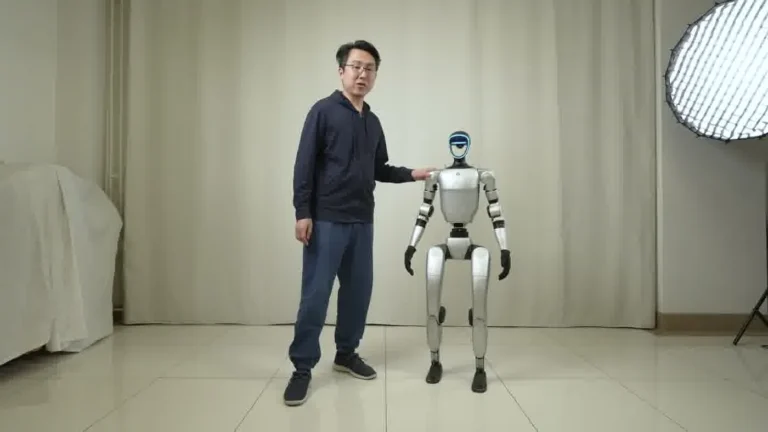
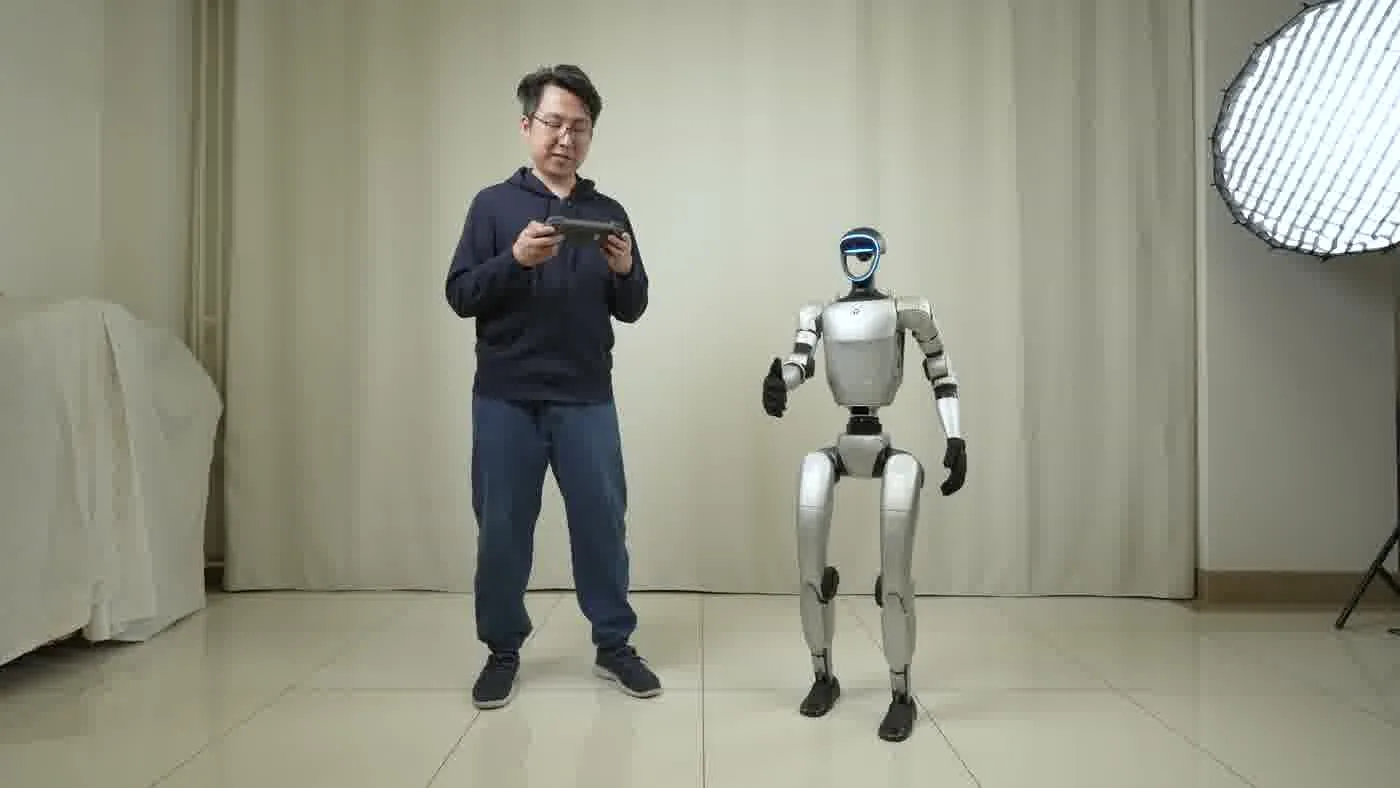
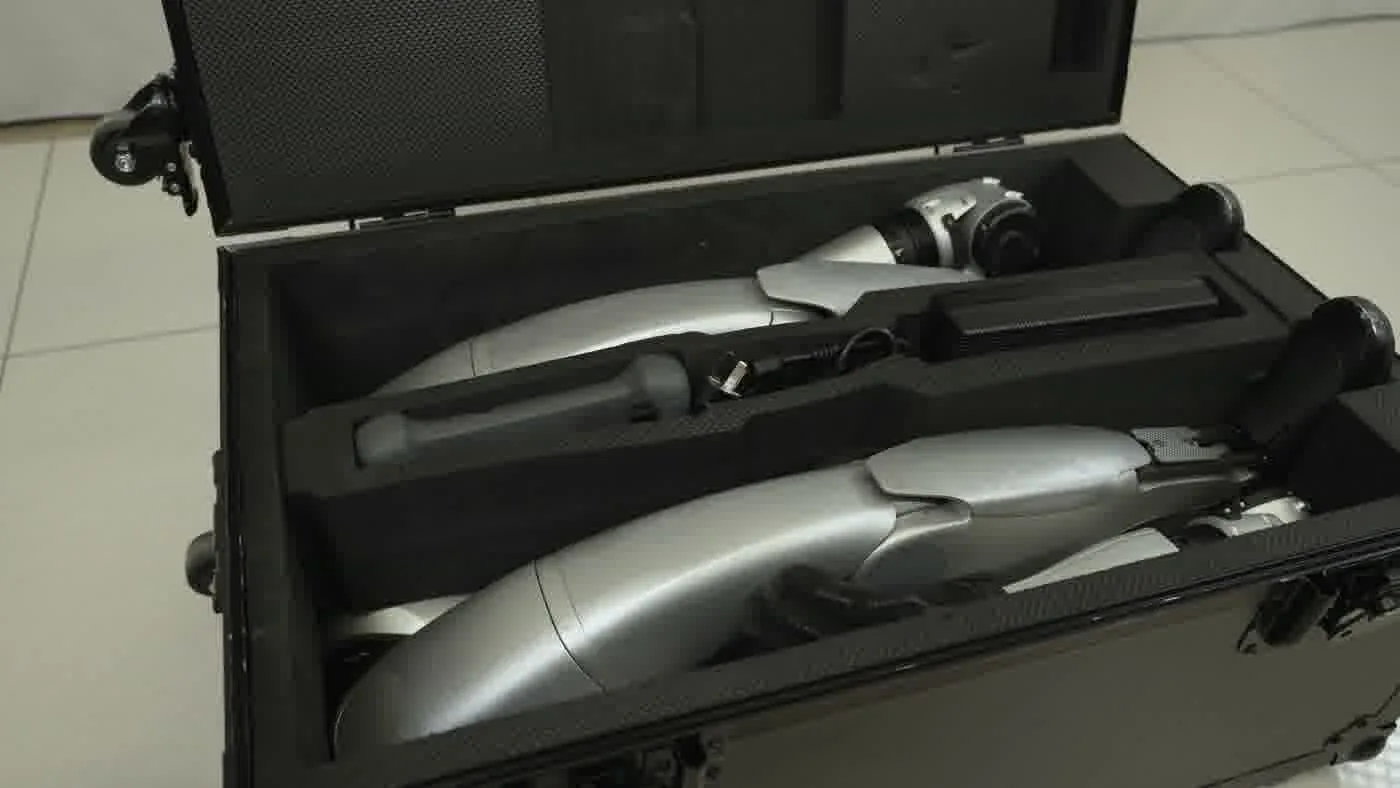
The Unitree G1 is 127cm tall and 35kg — it is not a device you leave in a closet. Proper storage requires a climate-controlled space large enough to accommodate the robot in its shipping configuration, along with associated charging equipment and spare components. For most corporate buyers, this means dedicated secure storage, either in-house or at a third-party facility. That space has a cost regardless of whether the robot is deployed on any given day. When the robot is sitting unused during the long stretches between events that characterize most deployment calendars, the storage cost accumulates against an asset generating zero return.
Maintenance
Any mechanical and electronic system operating in event environments — handling repeated deployment cycles, transport, public interaction — requires ongoing maintenance. Calibration checks before each deployment, inspection after each event, periodic component servicing as usage accumulates. These activities require either an in-house technical resource or a service contract with a qualified provider. Neither is free, and neither shows up in the purchase price. The Unitree G1 TCO vs rental analysis breaks down how maintenance costs compound across the asset lifecycle. For technical background on what the G1 platform actually requires, Unitree’s documentation covers the manufacturer’s specifications and service requirements.
Operator Training
A humanoid robot without a trained operator is not deployable. The G1 requires someone who understands its control interface, can manage interaction sequences, handle battery rotation during events, and respond to unexpected situations on a public event floor. Training an in-house operator takes time and carries a cost even before that person’s time is factored in. If the trained operator leaves the organization, the training investment leaves with them and must be rebuilt. Rental eliminates this entirely — Full-Service Event includes a ZMProbots-trained operator, and Self-Service Rental assumes a client-side operator who has completed the relevant certification, without the ongoing overhead of maintaining that capability in-house year-round.
These three overhead categories — storage, maintenance, and operator training — do not have standardized published costs because they vary significantly by organization, geography, and existing infrastructure. What they share is a directional effect: they all push the real break-even higher than the hardware-only 234-day figure. A buyer who reaches 234 event days has broken even on hardware but has not yet accounted for any of these additional costs. The do not buy the humanoid robot post makes the full case for why buyers who are on the fence at this level should typically stay in the rental model.
Research from MIT Technology Review on enterprise robotics adoption has consistently highlighted total cost of ownership as the key variable separating successful deployments from failed ones — organizations that model ownership cost accurately tend to make better decisions about when to buy and when to partner.
Full-Service vs Self-Service in the Calculation
The buy-vs-rent calculation changes depending on which rental tier you are comparing against. The math above uses Self-Service Rental at $299/day because that is the cleanest comparison to hardware ownership — it isolates the robot platform itself. But for most corporate event buyers, Full-Service Event is the appropriate tier, and the comparison shifts when you factor in what Full-Service includes that ownership does not.
What Full-Service Event Covers
Full-Service Event includes an experienced ZMProbots operator for the duration of the deployment. That operator handles the interaction sequences, manages battery rotation, coordinates with venue staff, and manages any on-site issues that arise during the event. For corporate buyers at trade shows, conferences, and brand activations, this is often the deciding factor in the decision — not the hardware cost, but the question of who is running the robot on the day.
Full-Service Event is priced per project on a quote basis. If you are running a cost comparison, request a quote through our humanoid robot rental page so you have an actual number for your specific event profile. The quote factors in event duration, location, and deployment complexity.
The Operator Cost in an Ownership Scenario
If you own the robot, you need to supply the operator. For an organization without an existing robotics team, this means either hiring a qualified person or training an existing team member. Hiring adds a salary line to the ownership calculation. Training adds time and cost before the asset is even deployable, and creates a dependency risk if the trained person changes roles. Neither option is reflected in the $70,000 purchase price.
For organizations that already have a robotics engineering team — research institutions, technology companies with existing automation programs, large-scale venue operators — this is a much smaller issue. The operator capability already exists, and the marginal cost of adding G1 training to an existing team is low. For everyone else, operator sourcing is a genuine cost that the rental model eliminates entirely.
When Self-Service Makes Sense
Self-Service Rental at $299/day is appropriate for buyers who have — or can develop — in-house operator capability. If your organization has an existing robotics team or a technical operations team that can complete G1 certification, Self-Service gives you the maximum flexibility to deploy on your own schedule without per-deployment staffing costs from ZMProbots. The 24-month calculator framework applies directly: at what utilization level does $299/day × your event days start approaching the $70,000 purchase threshold? If you are approaching 200+ event days over two years with your own trained operator, the purchase conversation becomes worth having seriously.
For a detailed comparison of the two service tiers, the buy or rent humanoid robot post covers the decision framework in depth, including the specific buyer profiles where each tier makes more sense.
People Also Ask
What is the break-even point for buying vs renting a humanoid robot?
On hardware cost alone, the break-even between purchasing a Unitree G1 at $70,000 and renting at $299/day is approximately 234 days. To reach that threshold in 24 months, you would need to deploy roughly 117 days per year — nearly one in every three working days. Most corporate event buyers operate at 6-60 days per year, well below the break-even point. Additional ownership costs (storage, maintenance, operator training) push the real break-even above this hardware-only figure.
How much does it cost to rent a humanoid robot for 24 months at 12 days per year?
At 12 event days per year (24 days total over 24 months) using the Self-Service Rental rate of $299/day, the total rental cost is $7,176. Compared to a $70,000 purchase, renting at this utilization level costs approximately 90% less over the same period. This is the most common utilization scenario for corporate event buyers who deploy at major trade shows — one or two events per quarter with gaps between them.
Does humanoid robot cost include an operator when you rent?
It depends on the service tier. Self-Service Rental does not include an operator — the client supplies one. Full-Service Event includes a ZMProbots-trained operator for the full deployment. Full-Service is priced per project on a quote basis. When comparing humanoid robot cost between ownership and rental, include operator sourcing in the ownership side of the calculation to make an honest comparison.
What happens to the buy vs rent math at 60 event days per year?
At 60 event days per year over 24 months (120 total days), rental at $299/day costs $35,880. Ownership starts at $70,000, not counting storage, maintenance, or operator costs. Renting is still less expensive than purchasing on hardware alone, but the gap has closed significantly compared to lower utilization scenarios. At this frequency, ownership warrants a fuller analysis that includes all overhead categories. The for-sale vs rental decision post covers the full decision framework at high utilization.
Is the humanoid robot cost for full-service available on the website?
Full-Service Event is priced on a quote basis because the cost varies by event duration, location, and deployment complexity. Self-Service Rental starts from $299/day. To get an accurate Full-Service cost for your specific event profile, request a quote through the rental inquiry page. ZMProbots responds to event-specific quote requests typically within one business day.
The Bottom Line
Humanoid robot cost is a function of utilization, not purchase price. The hardware break-even at $70,000 purchase vs $299/day Self-Service Rental is approximately 234 days — requiring deployment nearly one in every three working days across 24 months. Most corporate buyers operate at 6 to 60 event days per year, which puts them squarely in rental territory on both hardware math and total cost. Ownership overhead — storage, maintenance, operator training — pushes the real break-even above 234 days and adds ongoing cost regardless of deployment frequency.
The right question is not whether you can afford to buy. It is whether your event calendar ever reaches the utilization threshold where ownership makes financial sense. The humanoid robot cost page has current specifications and pricing for both options.