In 2026, we have learned what separates a Unitree G1 product launch that generates press coverage from one that gets a polite reaction. Our team has run G1 reveal moments for corporate communications teams, brand agencies, and AV production companies. The difference comes down to one factor: whether the robot had a defined, rehearsed role in the run-of-show, or was placed onstage and told to be present.
Table of Contents
At the UFC Press Day
What You Should Know
- The G1 needs a defined role in the launch run-of-show — not just a presence
- Scripted reveal moments (walking onstage, presenting the product) generate more coverage than static display
- Full-Service Event is the standard tier for product launches — operator manages timing and scripted content
- Pre-event rehearsal with the G1 present is strongly recommended for staged launch moments
- Lead time for custom scripted content is 3-6 weeks minimum
These points come from our operator experience running the Unitree G1 at product reveals across multiple formats — consumer brand launches, tech product announcements, and corporate keynotes. Each one is a friction point we have encountered repeatedly. The robot rental for product launches post covers the broader field of launch event formats if you want additional context before reading the planning detail below. For the complete G1 specification and capability summary, the Unitree G1 complete guide 2026 is the right reference.
Planning a Robot Reveal Moment
A robot reveal moment is a theatrical production element. It has an entry cue, a defined staging position, a scripted sequence, and an exit. Every one of those elements needs to be locked before the event day. Here is how our team works with clients to get there.
The Run-of-Show Entry Cue
The most common mistake in a product launch integration is treating the robot’s appearance as a soft moment — “we’ll bring it out at some point in the second half.” That approach consistently produces a flat reaction. The G1’s appearance needs a hard cue in the run-of-show: a specific time, a specific lighting state, and a specific transition from the preceding element. If the host or presenter is going to introduce the robot, that introduction needs to be scripted and rehearsed, not improvised. Our operators work directly with the AV production team to lock the cue in the production script.
Defined Staging
Where the G1 enters from and where it moves to are not details — they are the reveal. A robot that walks from the wings of a stage to center stage in front of an audience that does not yet know it is coming produces a categorically different reaction than a robot that is already standing onstage when the lights come up. Both formats work; they produce different emotional effects. The entry-from-concealment format is better for maximum surprise and press moment value. The pre-positioned format is better for controlled, high-production-value keynote presentations where the reveal is built through narration rather than physical appearance.
Staging also defines the G1’s physical boundaries during the reveal. The robot at 127cm and 35kg needs clear floor space — typically a 2-meter radius around its operational position. If the launch involves the robot presenting or handing off an object, that handoff position needs to be marked on the floor plan and confirmed with the venue’s production manager.
Pre-Rehearsal Requirements
Full production rehearsal with the G1 physically present is a firm requirement for all scripted reveal moments. Walk-throughs with a stand-in or without the robot do not account for the actual timing of G1 movement sequences, which are fixed — the robot moves at its own pace, and the script needs to be written around that pace, not the other way around. Our operators attend tech rehearsal with the G1 fully operational. For events where the production team has a compressed rehearsal schedule, we prioritize the reveal sequence rehearsal above all other elements.
Briefing the ZMProbots Operator
The operator brief for a product launch is more detailed than for a standard exhibition floor deployment. It includes: the full run-of-show with the robot’s cue highlighted; the scripted sequence the G1 will perform; the handoff or interaction protocol if another person is involved; the exit sequence; and a contingency plan if a technical issue requires the operator to pull the G1 before the reveal completes. That last item — the contingency — is something many clients do not want to discuss, but it is the mark of a professional production team that they have an answer to it.
Script Approval Lead Time
Corporate communications teams at enterprise clients often require internal approval for any scripted content the robot will display or deliver. This approval process takes time — typically 2-4 weeks for a straightforward sequence, longer if legal review is required. We ask for the scripted content brief 3-6 weeks before the event date. If you are reading this with less than three weeks to your launch date, reach out to our team immediately to assess what is achievable. The Unitree G1 rental operations playbook covers the full booking and preparation timeline for scripted deployments.
The event marketing publication Event Marketer has documented how technology integrations in live events perform differently based on whether they are rehearsed versus improvised — their annual Experiential Report is worth reading if you are benchmarking how the G1 reveal fits into a larger experiential strategy.
Types of Product Launch Integration
Not all product launch roles for the G1 are the same. The format you choose determines the production requirements, the rehearsal time needed, and the type of media coverage the moment is likely to generate.
The Reveal Walk-On
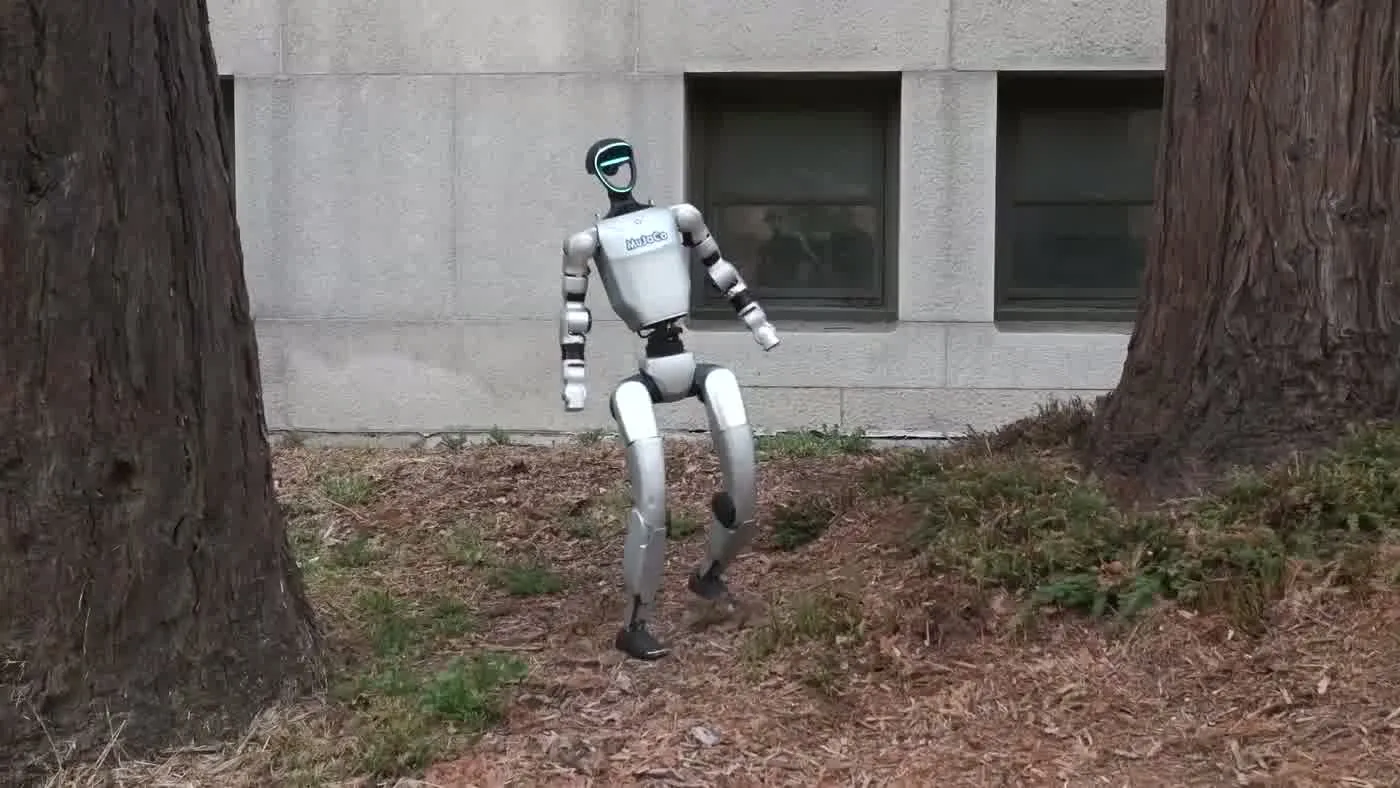
The G1 enters from offstage or from a concealed position and walks to a defined spot on the stage or event floor as the primary reveal moment. This format produces the highest immediate audience reaction — the physical act of a humanoid robot walking toward you is a different experience than seeing one standing still. It requires the most precise staging and the most rehearsal time of any format on this list. Entry path must be unobstructed, floor surface must be confirmed compatible with G1 locomotion, and the reveal lighting cue must be locked with the production team. The G1 weighs 35kg and stands 127cm — it moves at a controlled pace that looks deliberate and confident at production scale.
The Product Handover
The G1 presents or hands an object to a presenter or audience member. This format requires the BrainCo Revo 2 hands — the G1’s 41 DOF dexterous hand system — and a defined object that fits within the hand’s grasp parameters. The handover is a high-production-value moment: a humanoid robot handing a product to a human on a lit stage reads as a symbolic act, not just a mechanical one. Press and social media coverage of this format tends to focus on the handover moment itself as the lead visual. The Unitree G1 brand activations post has more on how object interaction moments work across different event formats.
The Scripted Keynote Line
The G1 delivers a pre-scripted spoken or displayed line as part of a keynote presentation. This format integrates the robot into the narrative structure of the launch rather than treating it as a standalone visual element. It requires the tightest script approval process of any format — the content that comes from the robot is attributable to the brand. Corporate communications teams should plan for full legal and brand review of any scripted robot content. Lead time for this format is 4-6 weeks minimum.
The Exhibition Floor Anchor
The G1 operates as the centerpiece of a product launch experience zone — an exhibition floor booth, a brand activation space, or a post-announcement media area where press and guests can interact with the robot. This format runs for hours rather than minutes, which means battery rotation management is a key production consideration. On a 2-hour battery cycle, a full-day exhibition floor deployment requires a charge rotation plan built into the event schedule. Our operators manage this as part of the Full-Service Event deployment. For broader context on exhibition floor robot operations, the G1 robot at trade shows post covers multi-hour deployment management in detail.
The Media Moment
The G1 is positioned specifically for press photography and video capture — a controlled media environment where journalists and photographers can get the shot they need for their coverage. This format is often combined with another format on this list rather than standing alone. The key production requirement is a clean backdrop (the robot against a branded or neutral background rather than a cluttered event floor), consistent lighting, and a defined interaction script for media engagement. IEEE Spectrum regularly covers humanoid robot public appearances — reviewing their visual approach to robot coverage is useful background for understanding what press photographers are looking to capture.
What Makes a Product Launch Different from Other Events
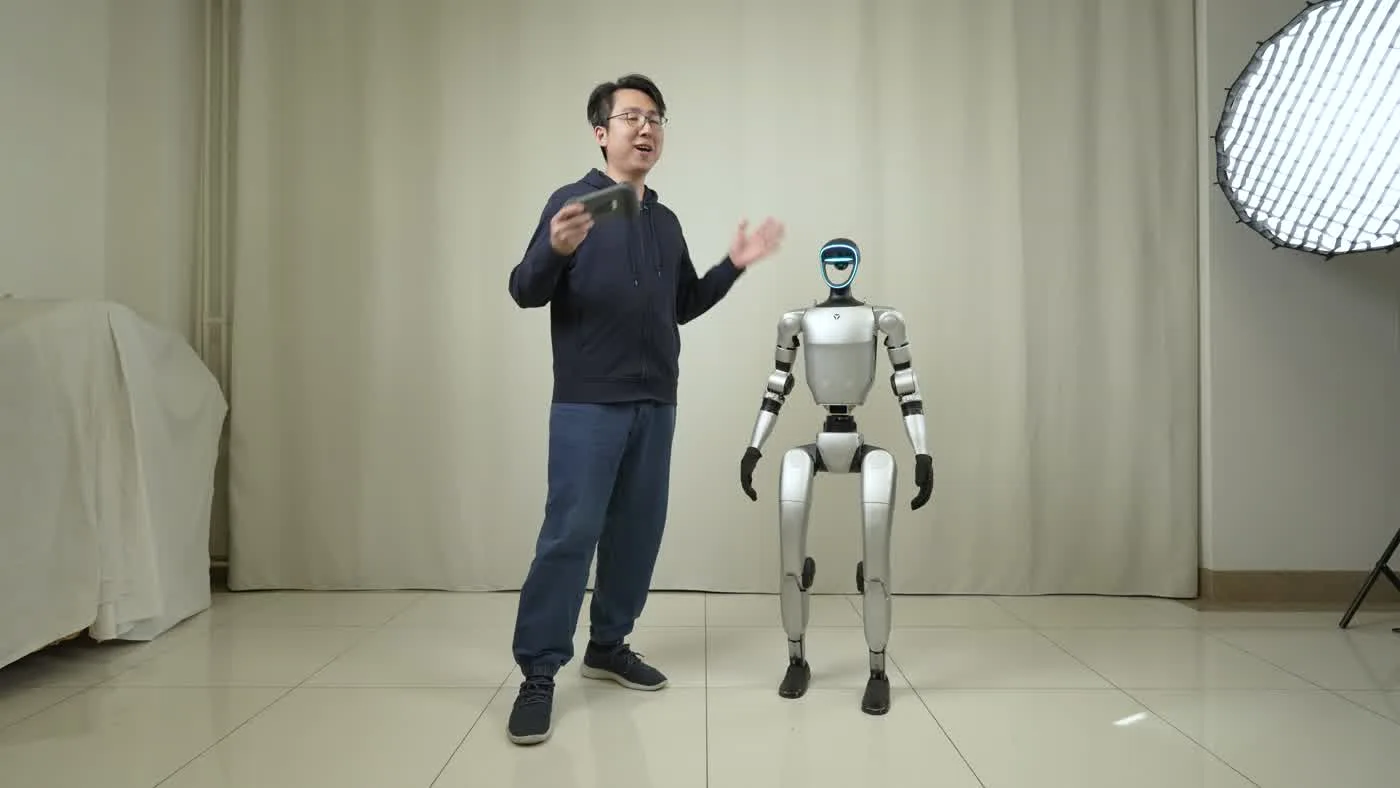
A product launch is a one-shot event. There is no second chance to get the reveal moment right, no opportunity to adjust based on how the first day went, no fallback if the scripted sequence does not land the way the production team expected. That constraint changes everything about how we prepare — and it is the reason why product launches almost always require the Full-Service Event tier.
No Second Take
Exhibition floor deployments run for days. Corporate event activations can repeat across multiple sessions. A product launch reveal — the moment the product is shown to the world for the first time — happens once.
If the G1’s entry cue is off by 15 seconds, if the handover sequence stutters, if the scripted line does not play cleanly — that is the version that gets filmed and shared. Our preparation for product launches reflects this: we run more rehearsal time, carry backup equipment for critical sequence elements, and work out the operator’s contingency plan in detail before we arrive at the venue.
Higher Production Quality Requirements
Product launches invest heavily in production quality — professional lighting, professional AV, professional staging. The G1’s integration needs to match that production level. That means the robot’s entry path is lit, its operational position is on a surface confirmed compatible with G1 locomotion, and its visual presentation is as polished as any other element on the stage.
We work directly with the production designer and AV team from the earliest planning stages to make sure the G1’s integration is part of the production design, not added in the final week.
The Full-Service Event Requirement
Self-Service Rental — where a client-side operator runs the G1 — is available from $299/day with a 3-day minimum. It is the right tier for exhibition floors, brand activations, and multi-day deployments where the client team has time to get comfortable with the robot. It is almost never the right choice for a scripted product launch reveal.
The scripted reveal sequence requires an experienced ZMProbots operator who knows exactly what the G1 can and cannot do, who has rehearsed the specific sequence for this event, and who can make real-time adjustments if something needs to change in the final hour before the launch. Full-Service Event. The full scope of what that tier includes — operator, transport, rehearsal coordination, and contingency planning — is covered in our humanoid robot for events guide.
The Rehearsal Is Not Optional
We have had clients ask whether they can skip the physical rehearsal to save time in a compressed production schedule. The answer is no: the G1 moves at its own pace, and the production script needs to be written around that pace. A walk-through with a stand-in does not give the production team accurate timing information. The lighting cue cannot be locked to the G1’s actual movement until the production team has seen the G1 move. The presenter interacting with the robot cannot calibrate their own timing until they have stood next to a 127cm, 35kg humanoid robot in motion.
For teams approaching a product launch with a robot integration for the first time, the robot rental for corporate events post covers the planning framework that applies to all high-stakes event formats. The why brands rent humanoid robots post addresses the strategic question of whether a robot integration is the right choice for a specific launch goal. Event industry publication BizBash covers technology integrations in live events regularly, with useful context on how production teams approach high-stakes reveal moments.
People Also Ask
How far in advance do I need to book a G1 for a product launch?
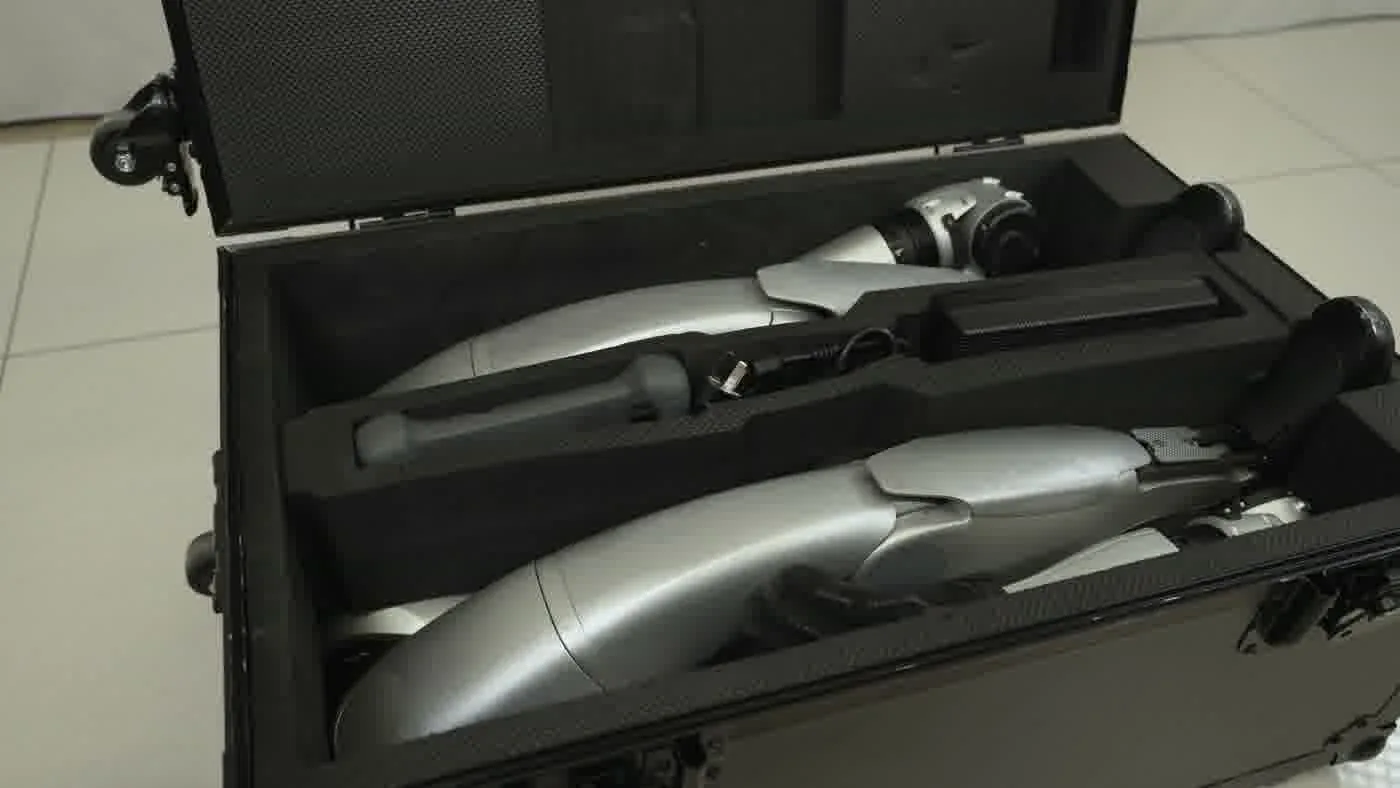
For a scripted product launch reveal, we require a minimum of 3-6 weeks lead time — and that timeline is for the script and sequence content, not just the booking itself. If your launch involves corporate communications review of scripted robot content, add another 2-4 weeks for that approval process. The physical booking can be confirmed more quickly, but the preparation work for a high-quality reveal cannot be compressed below 3 weeks without cutting corners that will show on launch day. Reach out as early in your planning process as possible — the planning conversation costs nothing, and it helps us reserve capacity for your date.
What does the G1 actually do during a product reveal?
The G1’s reveal role is defined in the production script we develop with the client. Standard reveal formats include: walking onto the stage or event floor from a concealed position; presenting or handing over a product using the BrainCo Revo 2 hands; delivering a scripted line via display panel or speaker; and holding a defined interaction position for press photography and guest engagement. The G1 does not improvise — every movement and sequence in a reveal is pre-programmed and rehearsed. That predictability is a feature, not a limitation, for high-production-value events.
Can we use Self-Service Rental for a product launch?
Self-Service Rental starts from $299/day with a 3-day minimum and is available for clients whose team includes a qualified G1 operator. For a scripted product launch reveal, we strongly recommend Full-Service Event regardless of whether a client-side operator is available. A launch reveal is a one-shot moment — the operator needs to know this specific robot, this specific sequence, and this specific venue from rehearsal. Our recommendation for product launches is always Full-Service Event. Request a quote at our humanoid robot rental page.
What surfaces can the G1 walk on during a reveal?
The G1 operates reliably on flat, hard surfaces — finished concrete, hardwood stage decking, carpet with low pile, and smooth tile. Surfaces that require additional assessment include thick pile carpet, temporary stage decking with gaps or uneven joins, raised stage platforms with steps, and outdoor surfaces with incline.
We assess the venue floor plan and stage specifications as part of pre-event planning. If the reveal requires the G1 to walk on a surface type we have not confirmed, we conduct a surface test at tech rehearsal before committing the sequence to the production script. Do not assume any surface is workable without operator confirmation.
How does a G1 product launch integration get covered by press?
Press coverage of a G1 product launch reveal follows a consistent pattern: the image that gets used is the one that is most visually striking and reproducible in print and digital formats. The G1 in motion — walking, reaching, handing — photographs better than the G1 standing still.
We plan the media position as part of the staging design: where the press camera pool is, what angle captures the reveal moment cleanly, and how the lighting serves that angle. If your launch has a press pool, share their position information with us before we finalize the staging plan.
The Bottom Line
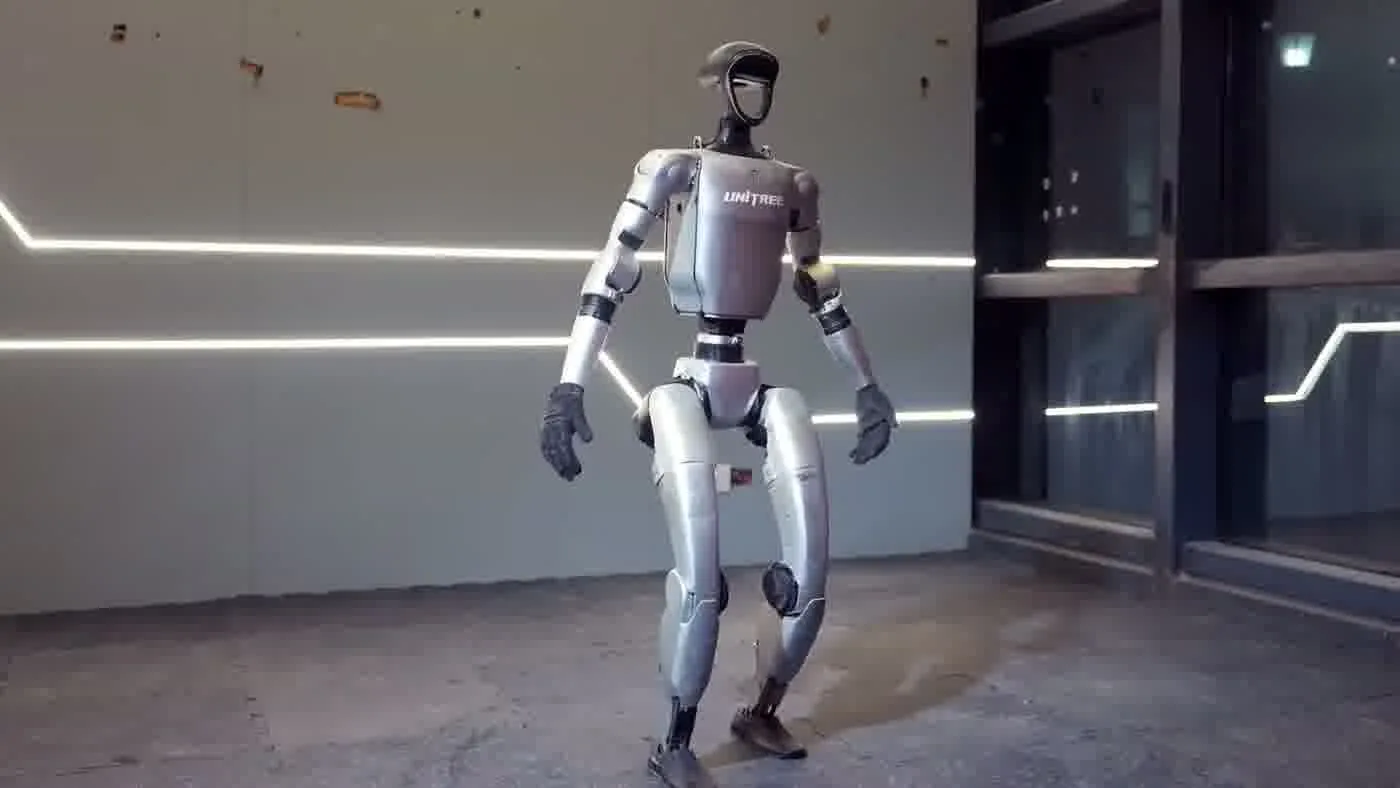
A Unitree G1 product launch integration is one of the most effective robot deployment formats we run — and one of the most demanding to execute well. The reveals that generate press coverage are the ones with a defined cue in the run-of-show, a rehearsed sequence, and an experienced ZMProbots operator who has worked through the contingencies before the event day. Deployments that fall flat are the ones where the robot was added as an afterthought. The G1 is 35kg, 127cm, 41 DOF — built for this moment. The production work is what gets you there.
Start planning at our robot rental for events page. Share your launch date, the reveal format you have in mind, and your lead time. The earlier you reach out, the more we can do to make the reveal what it needs to be.