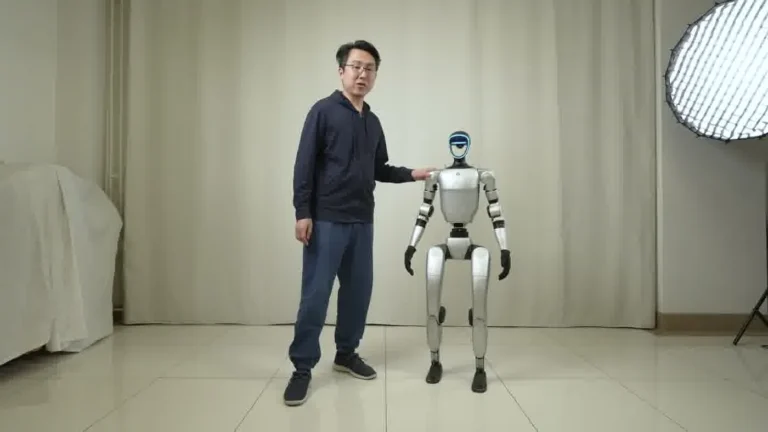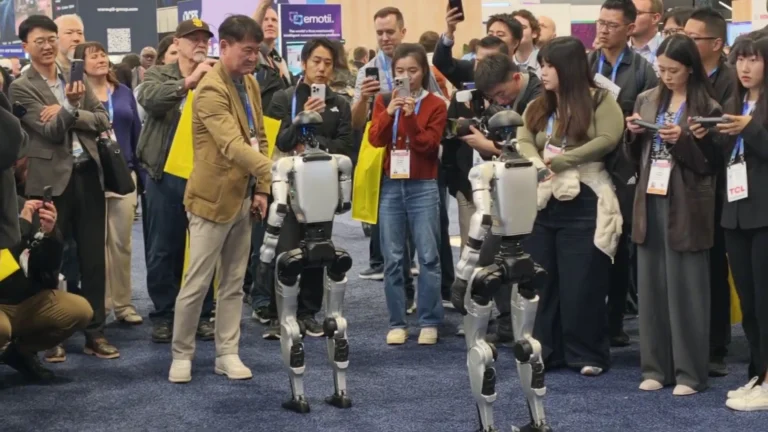
In 2026, our buyers ask us one question more than any other when evaluating the Unitree G1: what does the humanoid robot price actually get you at each configuration tier, and is the Edu Ultimate worth the cost? The answer depends almost entirely on what you plan to do with it.
Table of Contents
Floral Shirt Sidewalk Walk
Unitree G1 — At a Glance
- 127 cm tall | 35 kg
- 41 degrees of freedom
- Five-finger dexterous hands
- 2-hour operational battery
- Onboard NVIDIA Jetson Orin
- Available to rent from $299/day
What You Should Know
- The G1 Edu Ultimate has up to 43 degrees of freedom — the highest G1 configuration
- It carries an 18-month warranty versus 8 months for the Basic model
- Price approaches $73,900 fully configured
- The Edu Ultimate is designed for research and education use cases, not event rental
- Most commercial event deployments use the G1 Enterprise configuration with 41 DOF
- Marketing statements about autonomy and AI capability apply to research use, not plug-and-play events
Understanding the G1 tier structure is essential before comparing prices. The four configurations — Basic, Plus, Pro, and Enterprise/Ultimate — are not just cosmetic upgrades. Each tier adds hardware capability that matters in specific use contexts. For a full technical overview of what the G1 is and how the hardware works, the Unitree G1 complete guide for 2026 covers the platform in depth.
G1 Configuration Breakdown
Unitree sells the G1 in four configurations. The differences between them are not superficial — degrees of freedom (DOF), warranty length, and supported use cases vary substantially across the range. Here is how each tier stacks up, using only the manufacturer’s published specifications.
G1 Basic
The G1 Basic is the entry-level configuration. It ships with 23 degrees of freedom and an 8-month warranty. At a base price of $13,500, it is the most accessible point of entry into the G1 platform. The Basic tier is appropriate for buyers who need the physical form factor for demonstration or display purposes and do not require the full manipulation capability of higher-tier configurations.
At 23 DOF, the Basic has standard walking and basic arm movement. It cannot perform the fine-grained manipulation tasks that the higher-tier configurations support. For buyers whose primary use case is interaction and engagement at events — rather than laboratory research — the Basic configuration may be sufficient, though event rental operators typically stock the higher-tier hardware.
G1 Plus
The G1 Plus steps up to 29 degrees of freedom. The additional DOF primarily affects the arm and hand joints, giving the robot more expressive and capable upper-body movement. The Plus sits between the Basic and Pro in the lineup and is suited to buyers who need better manipulation capability than the Basic provides but are not running the kind of research tasks that justify the Pro or Ultimate tier.
The Plus is a reasonable middle-ground configuration for educational institutions that want to introduce students to humanoid robotics without the cost of the upper-tier hardware. Research into the G1’s capabilities at the Plus tier is covered in several academic publications tracked by IEEE Spectrum, which has covered the G1 platform since its initial release.
G1 Pro
The G1 Pro brings the DOF count to 37. At this tier, the robot’s hands and wrist joints have substantially more articulation than the Basic or Plus, enabling more complex manipulation tasks. The Pro is the configuration where serious applied research becomes practical — warehouse automation prototyping, object manipulation studies, and physical human-robot interaction research all benefit from the additional degrees of freedom at the wrist and finger level.
For buyers deciding between the Pro and the Enterprise/Ultimate tiers, the question is whether 37 DOF covers the specific research tasks they need to run. Most manipulation research that does not require the absolute maximum articulation will find the Pro sufficient. The jump to 41-43 DOF in the Enterprise and Ultimate configurations delivers the most value in dexterous task research contexts.
G1 Enterprise and Edu Ultimate
The top of the G1 range sits at 41 DOF for the Enterprise and up to 43 DOF for the Edu Ultimate. These are not the same configuration despite being close in DOF count — the Edu Ultimate is the education and research-specific variant with an 18-month warranty instead of the standard 8-month warranty on lower tiers. The humanoid robot price for the Edu Ultimate approaches $73,900 at full configuration, while the standard purchase price for the G1 platform sits around $70,000 at the Enterprise tier.
The 2 additional DOF in the Edu Ultimate over the Enterprise configuration comes from finer articulation in the hand and finger joints. For most event or demonstration use cases, the difference between 41 and 43 DOF is not visible to the human eye. The difference matters in research tasks that require the robot to handle small objects or perform precise manipulation sequences — tasks that are common in laboratory settings but rare in event deployments.
For a detailed look at G1 specs across all tiers, the Unitree G1 specs breakdown for 2026 goes through each configuration in technical detail. The Unitree G1 humanoid robot product page is the authoritative current source for configuration availability and pricing.
Configuration Summary
| Configuration | DOF | Warranty | Price |
|---|---|---|---|
| Basic | 23 | 8 months | From $13,500 |
| Plus | 29 | 8 months | Mid-range |
| Pro | 37 | 8 months | Mid-to-high range |
| Enterprise | 41 | 8 months | ~$70,000 |
| Edu Ultimate | 43 | 18 months | Up to $73,900 |
What Edu Ultimate Actually Means
The “Edu” in Edu Ultimate stands for education and research. This is not a branding label — it reflects a real difference in how this configuration is sold, supported, and used. Unitree designed the Edu Ultimate for university laboratories, corporate research teams, and institutional buyers who need maximum hardware capability and extended manufacturer support. The 18-month warranty is the most concrete expression of this positioning: it is more than twice the 8-month warranty on the Basic, Plus, and Pro tiers.
Research Use Cases
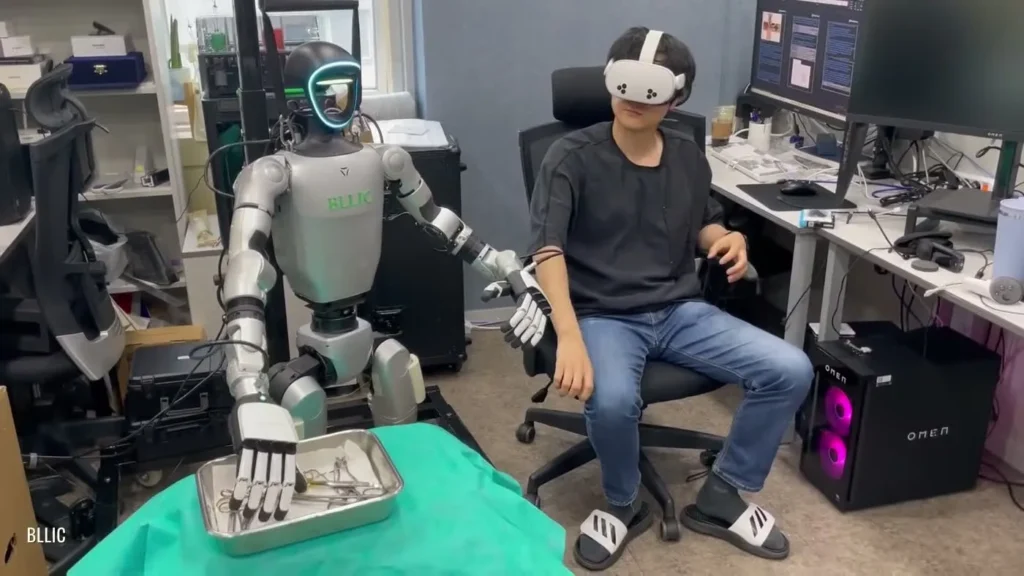
The 43 DOF configuration exists specifically because research in dexterous manipulation requires it. A robotics lab studying how humanoid robots can handle tools, pick up small objects, or assist with physical tasks needs maximum articulation in the hand and wrist joints. The additional degrees of freedom in the Edu Ultimate versus the Enterprise are not visible in normal walking or basic interaction — they show up in manipulation tasks that require the robot to apply controlled force across multiple finger joints simultaneously.
University robotics programs and corporate R&D teams that are publishing research on physical manipulation, human-robot collaboration, or assistive robotics are the primary buyers of the Edu Ultimate. MIT Technology Review has documented the growing adoption of commercial humanoid platforms in academic research settings, noting that the shift from custom-built research robots to commercial platforms like the G1 is driven partly by cost and partly by the manufacturer support structures — exactly the extended warranty that the Edu Ultimate provides.
What the Edu Ultimate Is Not
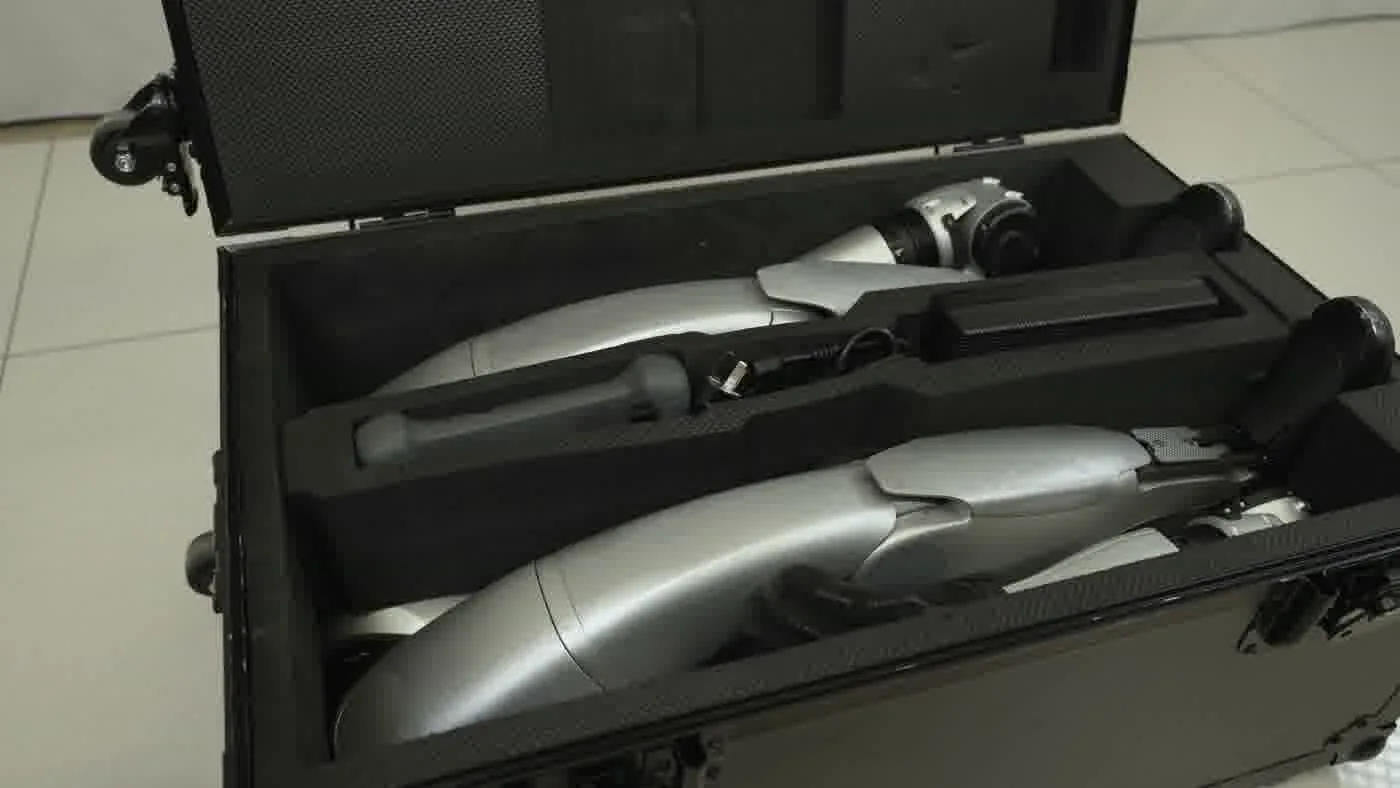
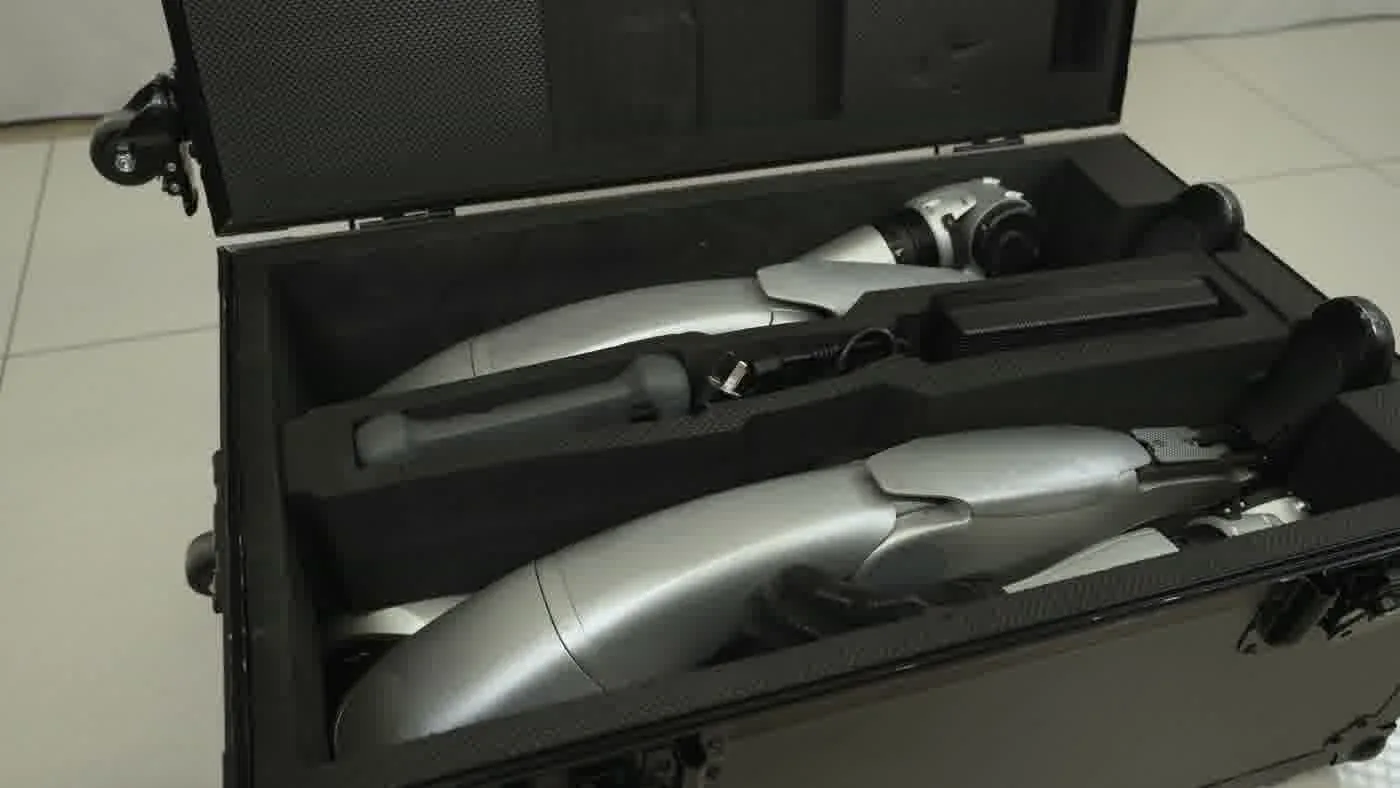
The Edu Ultimate is not designed for commercial event deployment. This is not a criticism of the hardware — it is simply the wrong tool for the job. Events require a robot that can be transported, set up, operated by a non-specialist, and packed down in a short window. The Edu Ultimate is optimized for controlled laboratory conditions, not for the physical handling and operational variability of live events.
For event operators and companies looking at robot rental rather than purchase, the distinction between configurations matters less than it does for buyers. ZMProbots operates the G1 Enterprise configuration at events — 41 DOF, professionally operated, fully managed under the Full-Service Event tier. The 2-DOF difference between the Enterprise and Edu Ultimate has no practical effect on what attendees experience at an event.
The Warranty Value Proposition
For institutional buyers, the 18-month warranty on the Edu Ultimate is a significant consideration. Research hardware that fails mid-project is expensive to repair and expensive in lost time. An institution committing to a research program that runs 12 to 18 months needs to know that manufacturer support will cover hardware issues throughout that window. The 8-month warranty on the lower tiers may not align with typical academic grant and project timelines.
For buyers comparing the Enterprise at roughly $70,000 against the Edu Ultimate approaching $73,900, the price difference buys 2 additional DOF and 10 additional months of warranty coverage. For a research team using the robot intensively over 18 months, that calculus typically favors the Edu Ultimate. For a buyer who needs a working G1 for demonstration or event use, the Enterprise is the more practical choice.
For broader context on pricing across the humanoid robot market and how the G1 compares to other platforms, the humanoid robot price guide for 2026 and the humanoid robots for sale in 2026 post cover the full market picture.
Marketing Claims vs Reality
The G1’s marketing materials make strong assertions about AI capability, autonomous task execution, and general-purpose utility. Most of these assertions are true in a narrow technical sense. The gap between what buyers read in the marketing and what they experience after purchase is not about dishonest advertising — it is about the difference between hardware capability and deployable capability, which requires significant software development to bridge.
The AI Capability Assertion
The G1 ships with an NVIDIA Jetson Orin 16G compute module delivering 100 TOPS (tera-operations per second). This is substantial onboard compute for a robot of this size. The marketing presents this as enabling AI-driven autonomous behavior.
What it actually means: the Jetson Orin provides the processing capacity for AI inference — running trained models in real time. It does not come with pre-trained models for arbitrary tasks. A research team that wants the G1 to autonomously perform a specific manipulation task needs to collect training data, train a model, and deploy it to the robot. The compute is there. The software pipeline is not included in the purchase price and is not trivial to build.
The Autonomous Task Execution Assertion
Marketing materials for the G1 describe the robot as capable of autonomous task execution. This is true in the context of tasks that have been specifically programmed or trained. Out of the box, the G1 can walk, balance, and follow pre-scripted motion sequences. It cannot autonomously identify and complete new tasks without software development work.
This distinction matters for buyers who are evaluating the robot for deployment in a real environment. A warehouse operator who expects to deploy the G1 and have it autonomously sort packages will be disappointed. A research team that plans to develop and train autonomous capabilities over 18 months will find the platform well-suited to that work.
The reasons not to buy the humanoid robot post addresses this gap directly — it is required reading for any buyer who is planning a deployment-ready commercial application rather than a research program.
The General-Purpose Assertion
“General-purpose” is the most overloaded term in humanoid robotics marketing. In the context of the G1, it means the hardware is capable of a wide range of physical tasks in principle. It does not mean the robot arrives ready to perform those tasks. General-purpose hardware requires general-purpose software, and that software does not currently exist at the level implied by the marketing.
The G1 platform from Unitree ships with a developer SDK and ROS2 support, which gives capable engineering teams a solid foundation to build applications. The path from SDK to production-ready general-purpose capability is a research and engineering project, not a configuration step.
What the Hardware Actually Delivers
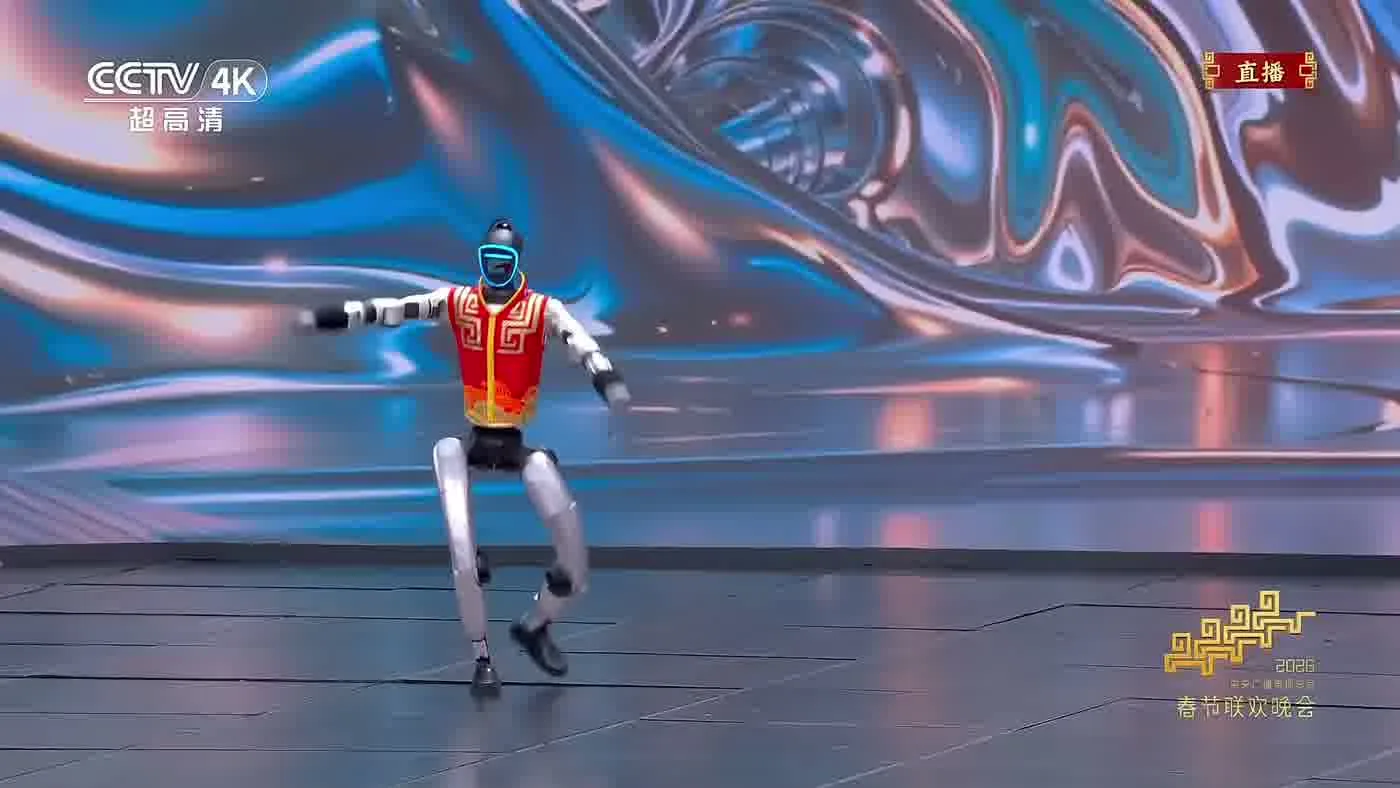
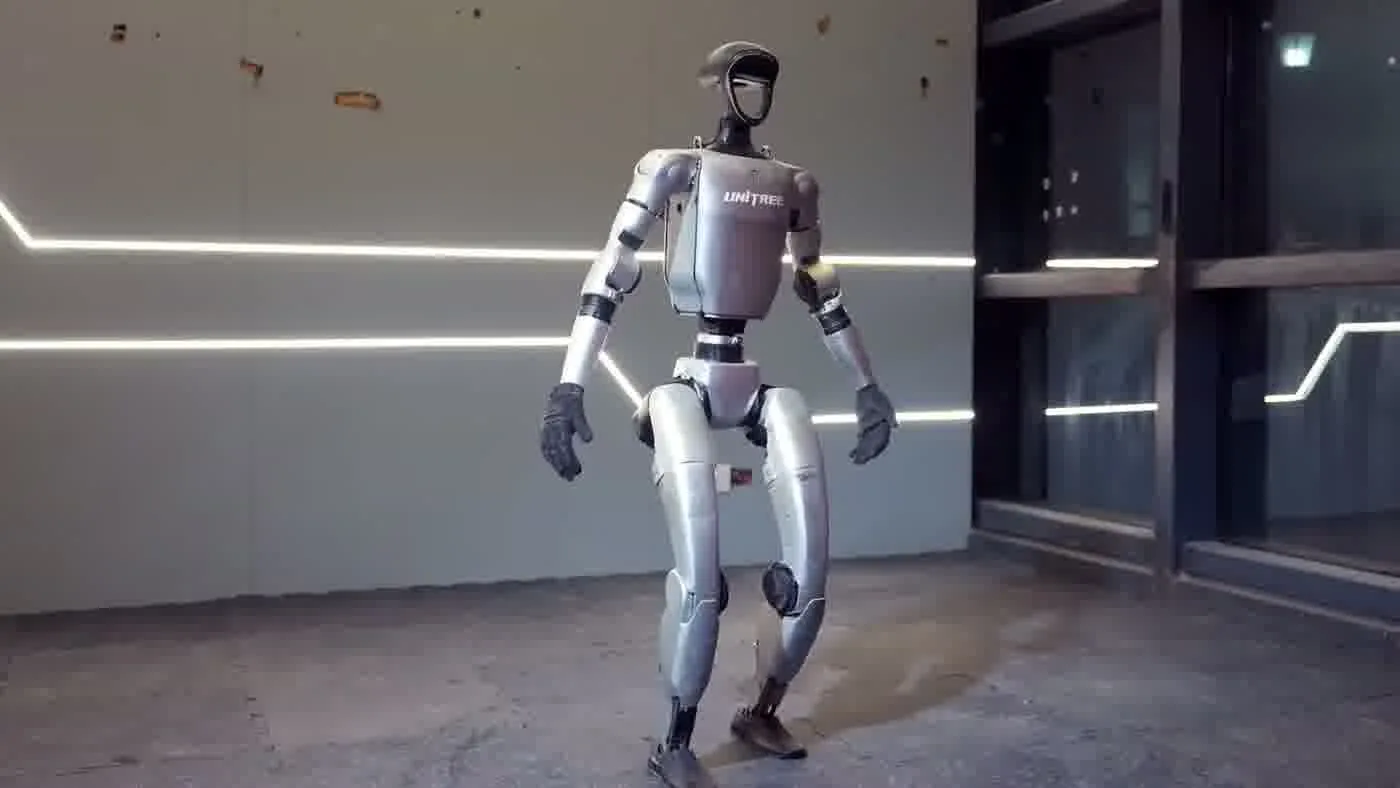
Strip away the AI and autonomy framing and the G1 is an impressive piece of mechanical hardware. At 35 kilograms and 127 centimeters, it is a full-size bipedal robot with the physical presence and movement capability to function effectively at events, in demonstrations, and in research contexts. Its balance and locomotion systems are genuinely capable — the G1 can traverse uneven surfaces, recover from being pushed, and maintain stable operation in real-world environments that would challenge lesser platforms.
For buyers comparing the G1 to other humanoid platforms on the market, the buy versus rent humanoid robot guide and the for sale versus rental decision guide provide a structured framework for thinking through the purchase decision. The hardware is exceptional. The question is whether the buyer’s use case matches what the hardware can actually do today, not what it could hypothetically do with additional software development.
People Also Ask
What is the humanoid robot price for the G1 Edu Ultimate?
The G1 Edu Ultimate approaches $73,900 fully configured. The standard Enterprise configuration sits at roughly $70,000. The entry-level G1 Basic starts at $13,500. The Edu Ultimate costs more than the Enterprise because it adds 2 degrees of freedom (43 vs 41 DOF) and extends the warranty to 18 months, compared to 8 months on lower-tier configurations.
What is the difference between the G1 Enterprise and the G1 Edu Ultimate?
The Enterprise and Edu Ultimate both sit at the top of the G1 range. The Enterprise has 41 DOF and an 8-month warranty. The Edu Ultimate adds 2 more DOF (43 total) and extends the warranty to 18 months. The Edu Ultimate is positioned specifically for education and research buyers who need maximum articulation and extended manufacturer support for long research programs.
Is the G1 Edu Ultimate suitable for events and commercial deployments?
It is technically capable of event deployment, but it is not the intended use case. The Edu Ultimate is designed for laboratory research and education. Commercial event operators, including ZMProbots, use the G1 Enterprise configuration for event deployments because it provides all the interaction capability needed for live events at a lower cost than the research-tier hardware. For companies that want a robot at an event rather than a research program, rental under the Full-Service Event tier is more cost-effective than purchasing an Edu Ultimate.
What does “43 degrees of freedom” mean in practice?
Degrees of freedom refers to the number of independent joints in the robot’s body. At 43 DOF, the G1 Edu Ultimate has more articulated joints than the lower-tier configurations — particularly in the hands and wrists. In practice, this means the robot can perform finer manipulation tasks: picking up small objects, handling tools, or executing precise finger movements. For walking, balance, and standard interaction tasks, the difference between 41 and 43 DOF is not perceptible to a human observer.
Where can I find more information on buying a Unitree G1?
The ZMProbots G1 product page has current hardware details and configuration availability. For research on the broader purchase decision, the where to buy a humanoid robot in the US post covers the full purchasing process including authorized distributors and what to expect from the buying process in 2026.
The Bottom Line
The humanoid robot price for the G1 Edu Ultimate — approaching $73,900 — reflects a hardware package designed for research and education, not commercial event deployment. The 43 DOF configuration and 18-month warranty make it the right choice for university laboratories and corporate R&D teams running long-term research programs. It is not the right choice for buyers who want a robot for events or demonstrations without substantial software development work.
Most buyers will find the Enterprise tier at 41 DOF covers the majority of real-world use cases at a lower price point. The Edu Ultimate earns its cost only when the research program specifically requires maximum hand articulation and extended support coverage. For purchase information across all G1 configurations, see the humanoid robot price page for current availability.