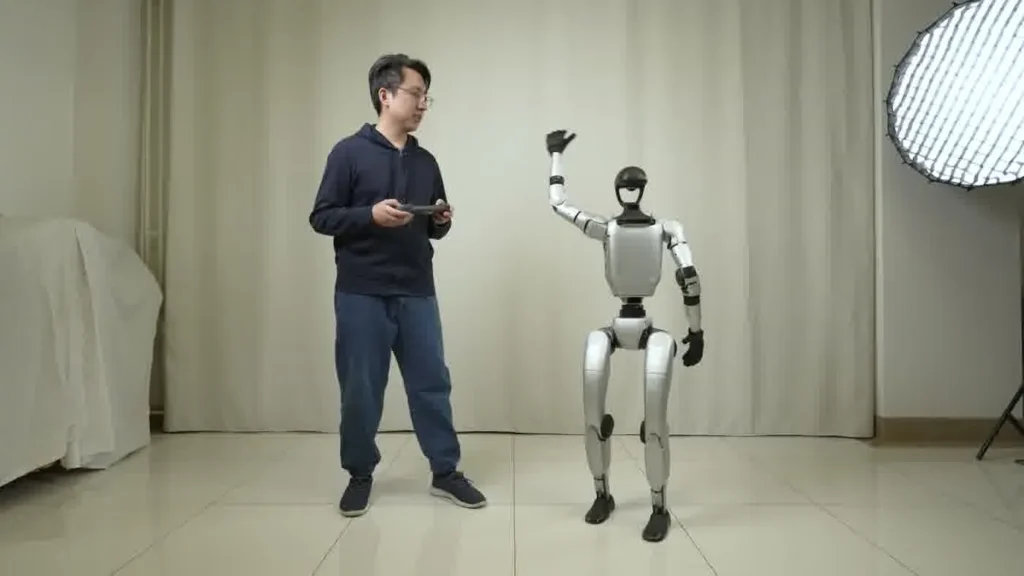
High Kick, Full Balance
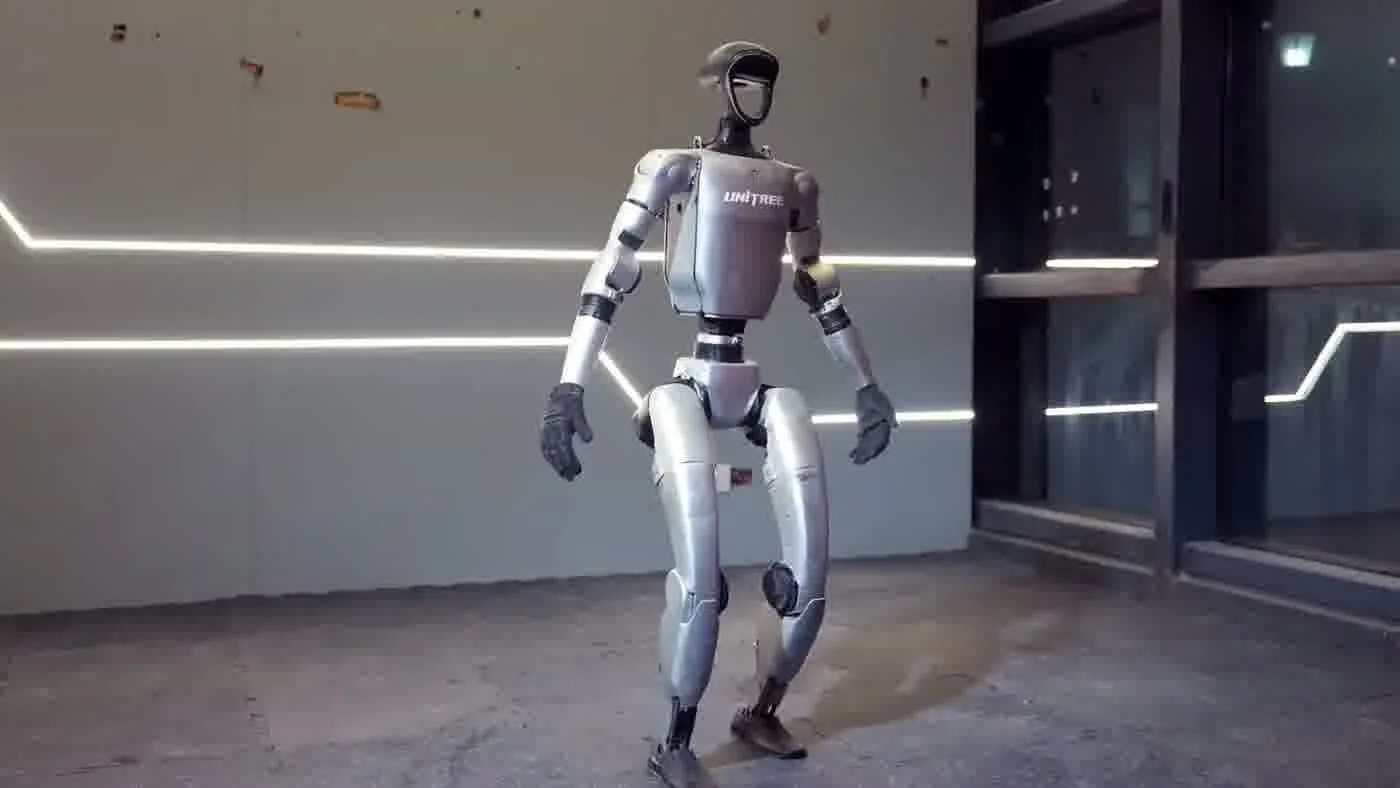
The G1: The Only Bookable Price
What You Should Know
- Unitree G1 US market price: $70,000 including sales tax (customer-facing figure)
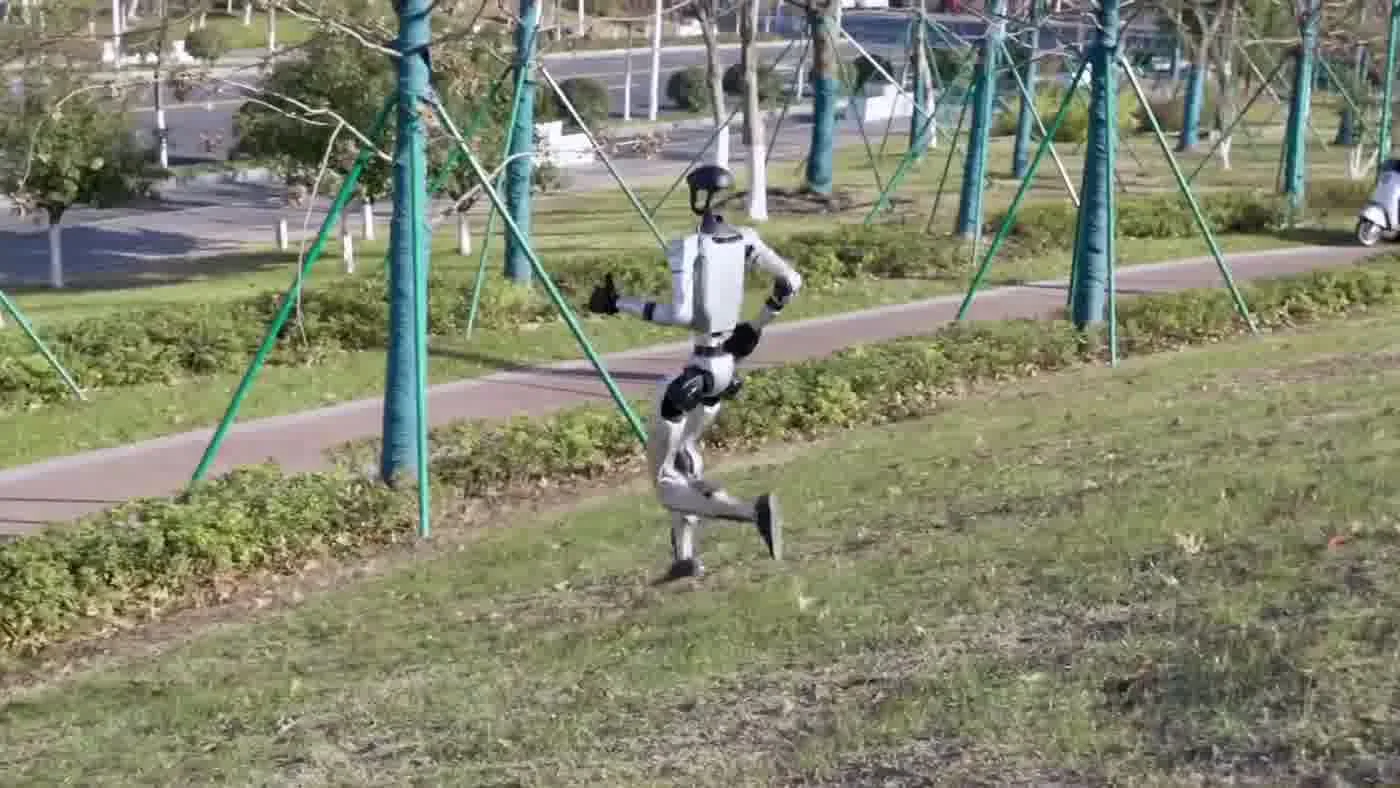
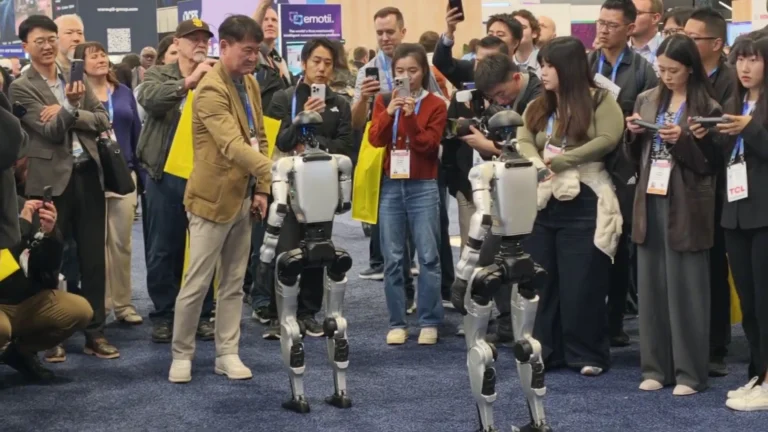
- 127 cm tall, 35 kg, 41 degrees of freedom, dexterous five-finger hands, two-hour battery
- Available for purchase via Unitree directly; ZMProbots rents, does not sell units
- Most competing platforms are not available for commercial purchase in meaningful quantities
- Refurbished and research-grade G1 units may be available through Unitree reseller channels
The Unitree G1 is the only humanoid robot in 2026 that is both commercially capable and consistently available for purchase outside of research partnerships or government contracts. Its US market price of $70,000 including sales tax reflects Unitree’s strategy of aggressive price compression — the G1 launched at a fraction of the cost of comparable research platforms. The current Unitree G1 specification and pricing page on Unitree’s site is the authoritative source for current US pricing.
What the $70,000 Buys
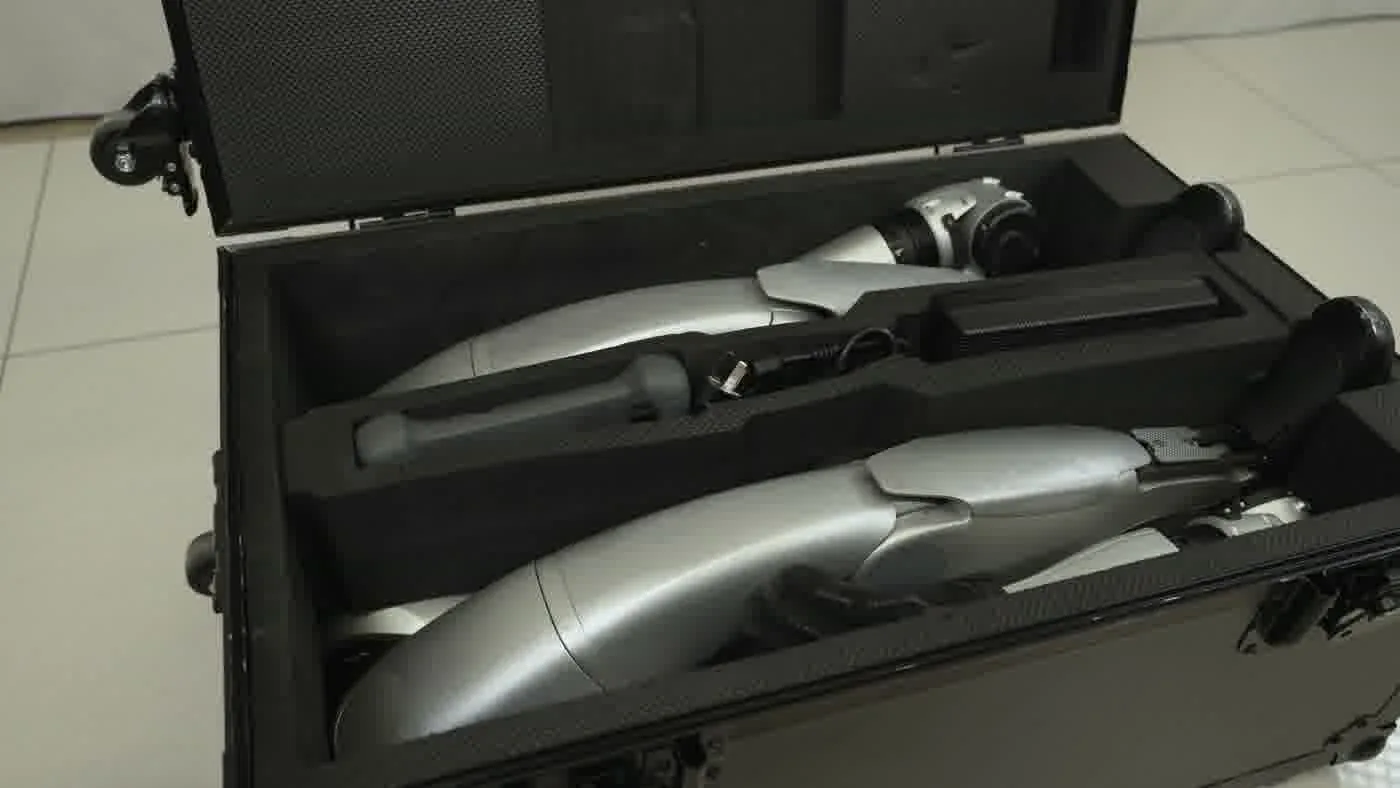
At $70,000, you receive the hardware: robot body, battery packs, tablet controller, and soft transport case. You do not receive: operator training, warranty coverage beyond the manufacturer’s basic terms, spare parts inventory, maintenance contracts, or the motion software library that ZMProbots has built for event deployments. Those costs stack on top of the sticker. For a full breakdown of what buyers actually encounter, the buy humanoid robot real cost breakdown covers what sellers do not include in the headline number.
The For-Sale Guide
If you are actively evaluating a purchase decision, the humanoid robot for sale guide covers the full buyer journey: where to order, lead times, what configuration options exist, and what questions to ask Unitree before committing. This article focuses on the price math, not the purchase process.
What Drives Humanoid Robot Pricing
Humanoid robot prices are not arbitrary. Three cost categories dominate the price structure of any bipedal robot at current levels of commercialization.
Actuators and Joints
The most expensive mechanical component in a humanoid robot is the actuator — the motor-plus-gearbox assembly that powers each joint. A capable humanoid like the G1 has 41 degrees of freedom. Each joint requires a precisely manufactured, high-torque actuator. At current production volumes, actuator costs represent a substantial portion of the bill of materials. As production scales, actuator cost per unit will fall — but that scaling has not happened yet at most manufacturers.
Compute and Sensors
The onboard compute stack — the processors running the locomotion, perception, and decision models — adds cost beyond what a camera or LIDAR sensor alone would. High-end humanoids use multiple GPU-class compute modules for real-time inference. The sensor suite (depth cameras, IMU, foot force sensors) compounds the component count. Unitree has pushed these costs down by verticalizing its supply chain, which is a core reason the G1 underprices competing platforms.
Software and Integration
The hardware is one cost center. The software to make it useful is another. Out-of-the-box bipedal walking, gesture libraries, and demo sequences require months of training on robotics simulation infrastructure. Unitree provides a base SDK; application-specific development is the buyer’s cost. Research from IEEE Spectrum on commercial robotics deployment consistently flags software integration costs as underestimated at the point of hardware purchase.
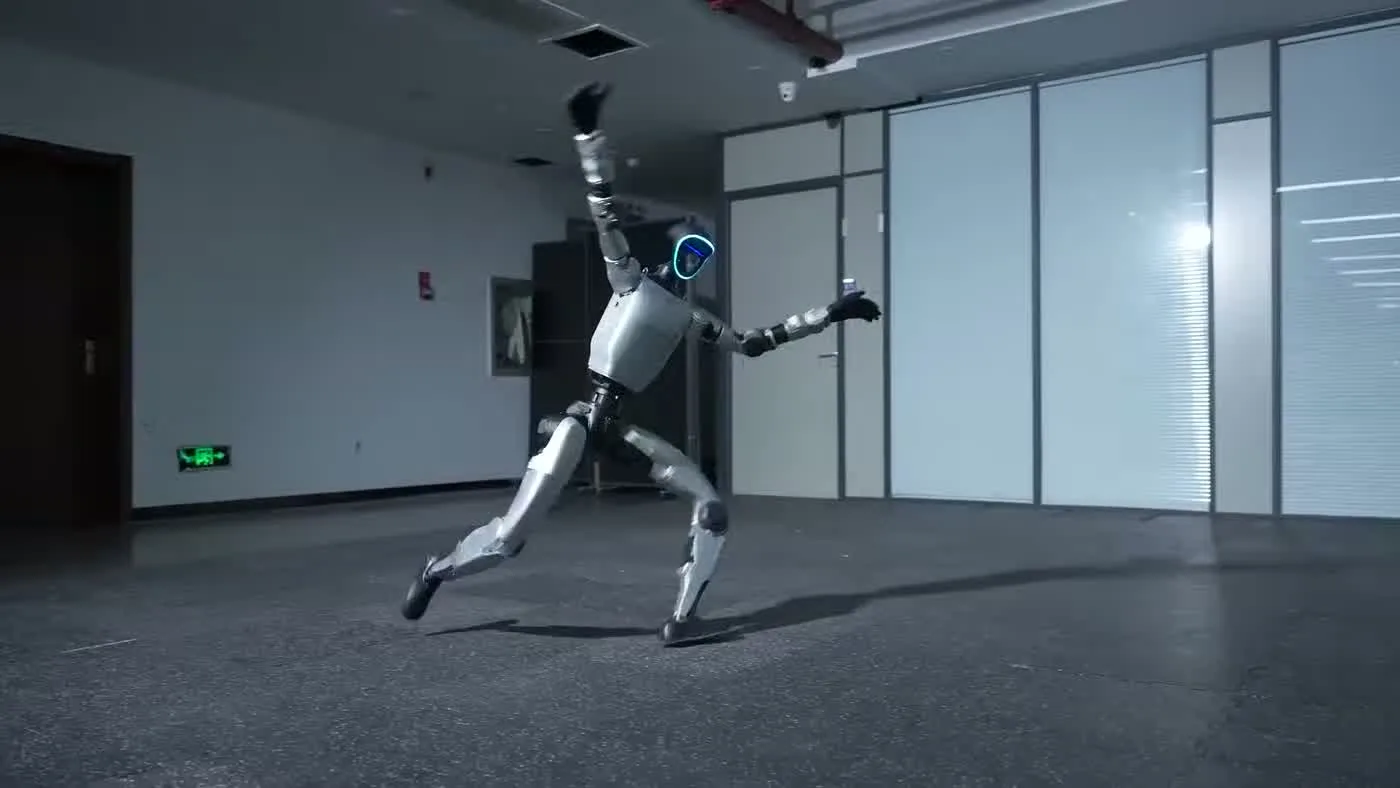
Competitor Robot Prices in 2026
Most humanoid robots discussed in the press are not available for commercial purchase at any listed price. That is the first thing to understand before comparing the G1 against competitors on price.
Boston Dynamics Atlas
The Atlas platform is a research and industrial development robot. Boston Dynamics does not publish a consumer price and does not sell Atlas to the general commercial market. Partnerships are announced individually, not offered on a storefront. Atlas is not a price competitor to the G1 — it is a different product category entirely.
Tesla Optimus
Optimus is in development for Tesla’s own production facilities first. External commercial availability has not been confirmed for 2026. Tesla has referenced long-term pricing aspirations in the tens of thousands of dollars range, but no purchase program is available to outside buyers as of May 2026.
Figure AI and Agility Robotics
Figure 01 and 02 are enterprise partnership deployments — not catalog purchases. Agility’s Digit is similarly sold into specific industrial deployment programs. Both platforms require direct engagement with the manufacturer for pricing, and both target use cases (warehouse, manufacturing) that are distinct from event deployment.
AgiBot
AgiBot launched a rental platform at Mobile World Congress 2026 at €899/day in 17 countries. It competes with ZMProbots on rental, not on sale. Purchase of AgiBot units outside of partnership channels is not currently available.
The practical conclusion: if you want to buy a capable, event-deployable humanoid robot in 2026, the G1 is the only realistic option. The comparison is not G1 vs Atlas — it is G1 purchase vs humanoid robot rental.
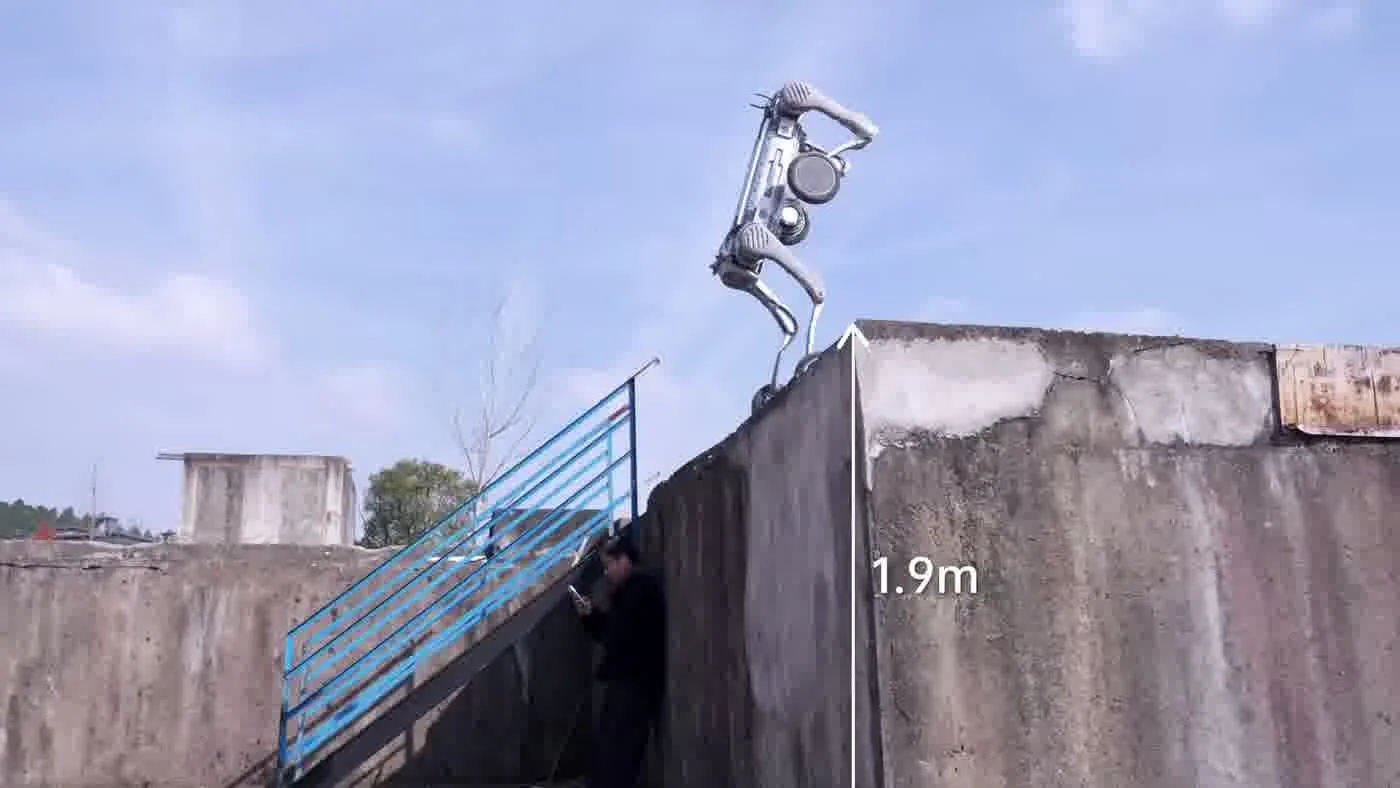
Total Cost of Ownership Beyond the Tag
The $70,000 purchase price is the entry point. It is not the cost of having a robot available. These are the costs that buyers consistently underestimate.
Operator Cost
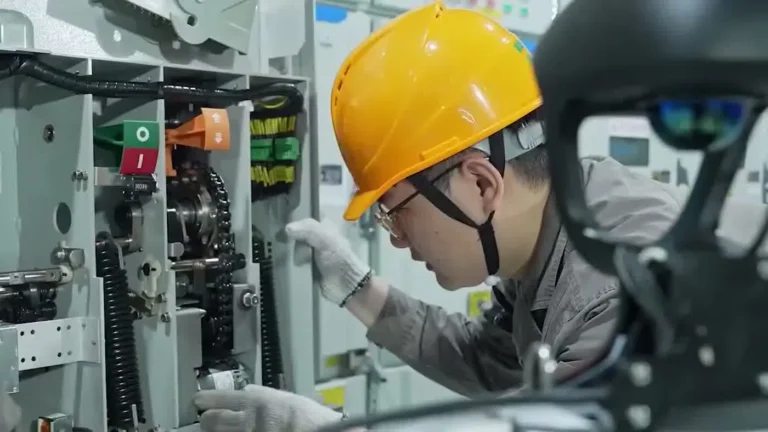
A humanoid robot does not operate itself for event use. You need someone who can set it up, run it through demo sequences, recover from edge cases, and troubleshoot field issues. A trained robotics technician or engineer with G1-specific experience adds to payroll at rates commensurate with robotics expertise in your region. At sustained event deployment frequency, this is often the single largest annual cost beyond the initial purchase.
Maintenance and Parts
Joint actuators wear. Batteries degrade. Firmware updates require downtime. Accidental damage during events happens even with careful handling. A realistic maintenance budget for active event deployment is a meaningful percentage of the purchase price per year. Unlike a laptop, you cannot drop a humanoid robot off at a repair shop — repairs require specialist access or return shipping to the manufacturer.
Storage and Transport
A 35 kg robot in a padded hard case needs secure, climate-controlled storage between deployments. Transport to and from events requires a vehicle with adequate cargo space or freight shipping. Over a full year of active event use, transport alone adds up to a cost that most first-time buyers did not model. The 3-year buy vs rent cost analysis shows how these line items compound over a realistic ownership horizon.
Depreciation
Humanoid robot hardware generations move fast. A G1 purchased today will be two platform generations old within 3 years. Unitree releases specification updates and new models regularly. Buyers who lock into hardware now absorb technology depreciation that renters do not.
The Rental Price Alternative
For most commercial use cases, the rental price math resolves faster than the purchase math — and in favor of rental. The model that consistently works:
Event-Based Use
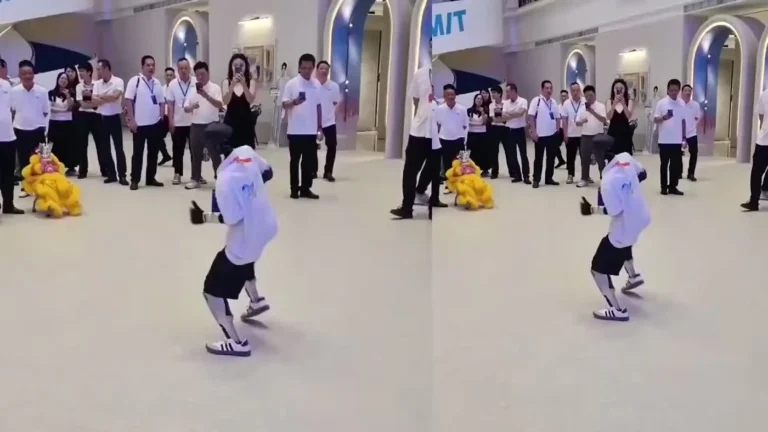
If your team needs the robot for events, trade shows, and brand activations — not daily R&D — the per-event cost of rental is almost always lower than the amortized purchase price once operator and maintenance costs are included. Self-Service Rental starts from $299/day on the ZMProbots rental page, with no capital outlay, no operator hiring, and no maintenance exposure.
Where Purchase Makes Sense
Purchase becomes cost-competitive at sustained high-frequency use — typically above 100 deployment days per year — combined with an in-house robotics team that can absorb the operating burden. University research labs, corporate R&D teams, and government robotics programs fit this profile. Event agencies, marketing teams, and experiential brands almost never do. If you are evaluating a purchase, the buy a humanoid robot page covers what ownership entails, including what is and is not included at the listed price.
Hybrid Path
A growing option: teams rent first, operate the robot across several events, then decide whether to purchase once they have real deployment data. The rental cost from those initial events is not wasted — it is a paid pilot program that produces the information you need to make a purchase decision without guessing. The full buy-vs-rent calculation for events teams is in the G1 buy vs rent for events guide.
People Also Ask
How much does a humanoid robot cost in 2026?
The Unitree G1 — the most accessible commercial humanoid in 2026 — has a US market price of $70,000 including sales tax. Most other humanoid robots are not for commercial sale. Total first-year ownership cost (robot + operator + maintenance + transport) typically runs significantly higher than the sticker price.
Why do humanoid robots cost so much?
The main cost drivers are precision actuators (one per joint — the G1 has 41), onboard compute for real-time inference, sensors (cameras, IMUs, force sensors), and software development. At current production volumes, these components are expensive because they are not yet mass-manufactured. Costs will fall as volume increases.
Can I buy a Unitree G1 in the US?
Yes. Unitree sells the G1 directly and through US resellers. Lead times vary. ZMProbots does not sell units — our platform is rental only.
Is a humanoid robot a good investment for events?
Almost never. At typical event frequencies (fewer than 50 deployment days per year), the total cost of ownership exceeds the cost of renting the same robot for the same events. Purchase makes sense only at high-frequency deployment with an in-house robotics team.
What is the cheapest humanoid robot you can buy?
The Unitree G1 at $70,000 is the lowest price point on a commercially capable, event-deployable humanoid robot in 2026. Lower-cost research kits exist but are not capable of the walking, gesturing, and interaction required for live events.
How fast do humanoid robot prices fall?
The G1 launched significantly below initial market expectations for capable humanoids. Further price compression is expected as production scales, but the rate is unpredictable. Buyers should not time purchases on projected price drops — the ownership cost clock starts at purchase regardless of future pricing.

The Bottom Line
The Unitree G1 at $70,000 is genuinely the most accessible capable humanoid robot price on the market in 2026. But the sticker understates what you actually pay. Operator, maintenance, transport, and depreciation routinely push first-year cost well above the purchase price when deployment frequency is low.
For most commercial teams — event agencies, brands, experiential studios — the calculation resolves simply: rent unless you can run the robot more than 100 days per year with an in-house operator. The 5-question framework, the 3-year cost comparison, and the G1 for-sale guide all point to the same answer for the same profile of buyer. Start with the framework before committing to a purchase.