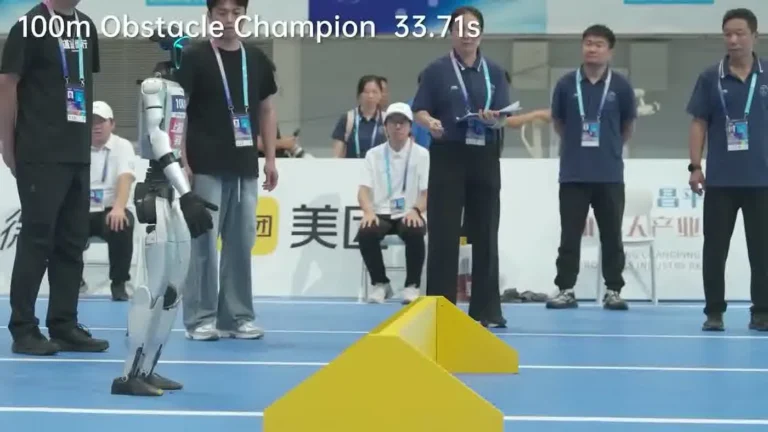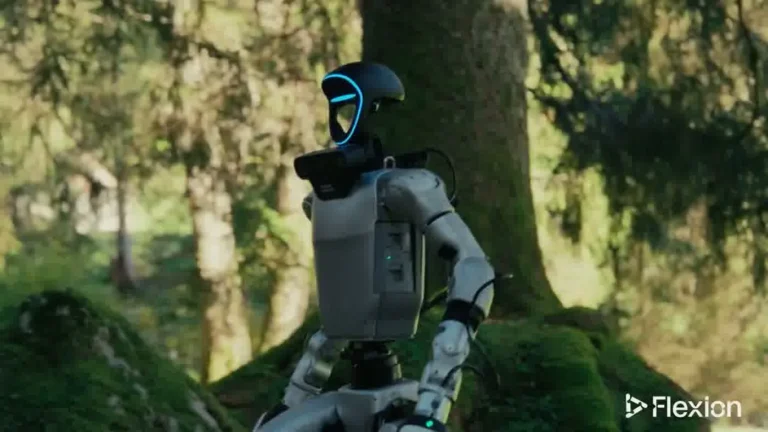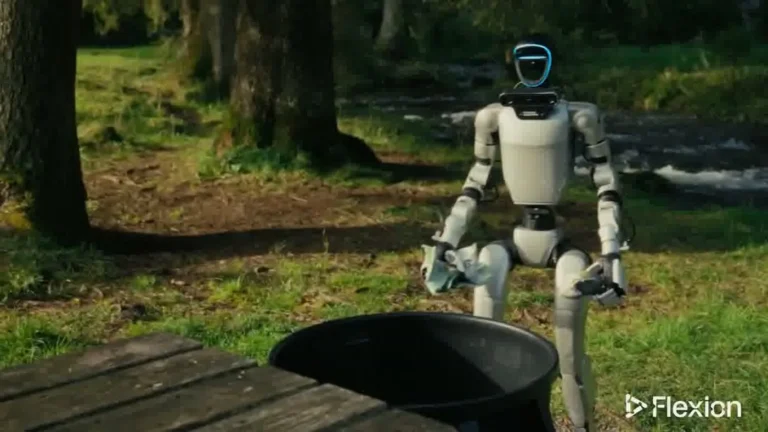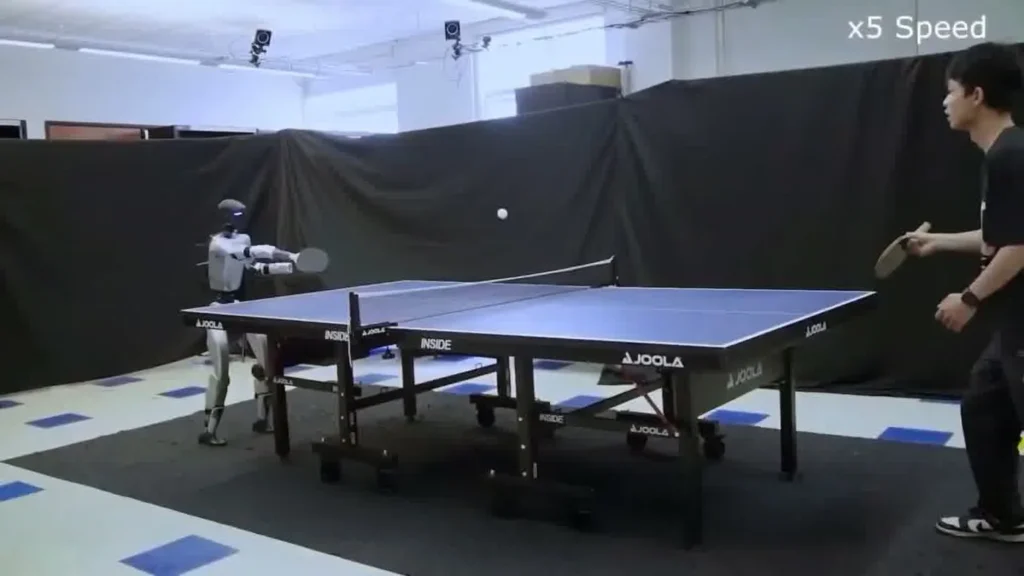
When evaluating a robot rental company in 2026, we look at a different set of questions than standard AV rental. Our experience running humanoid robot deployments has taught us that the gap between a good booking and a bad one almost always comes down to questions that were not asked before the contract was signed.
Table of Contents
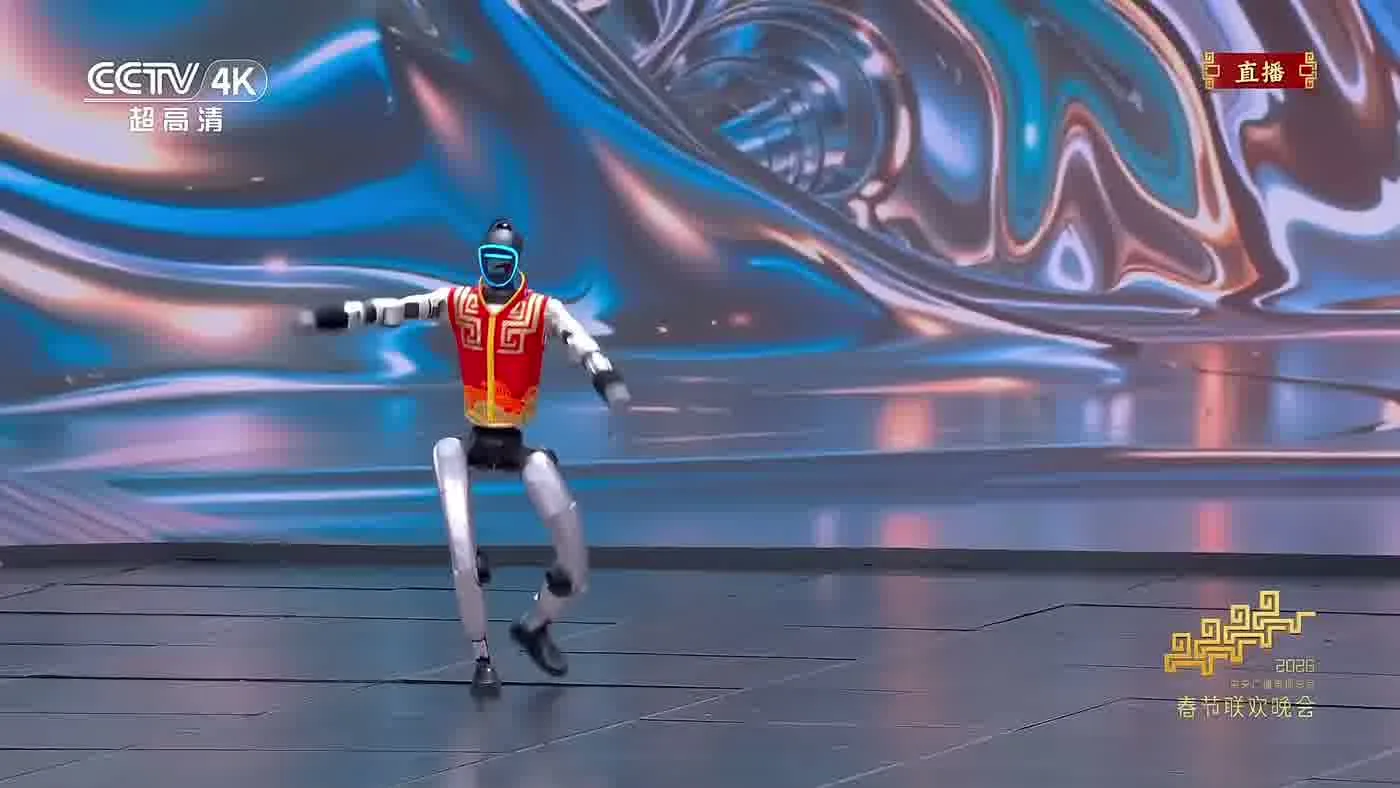
Neon Stage Stairs Demo
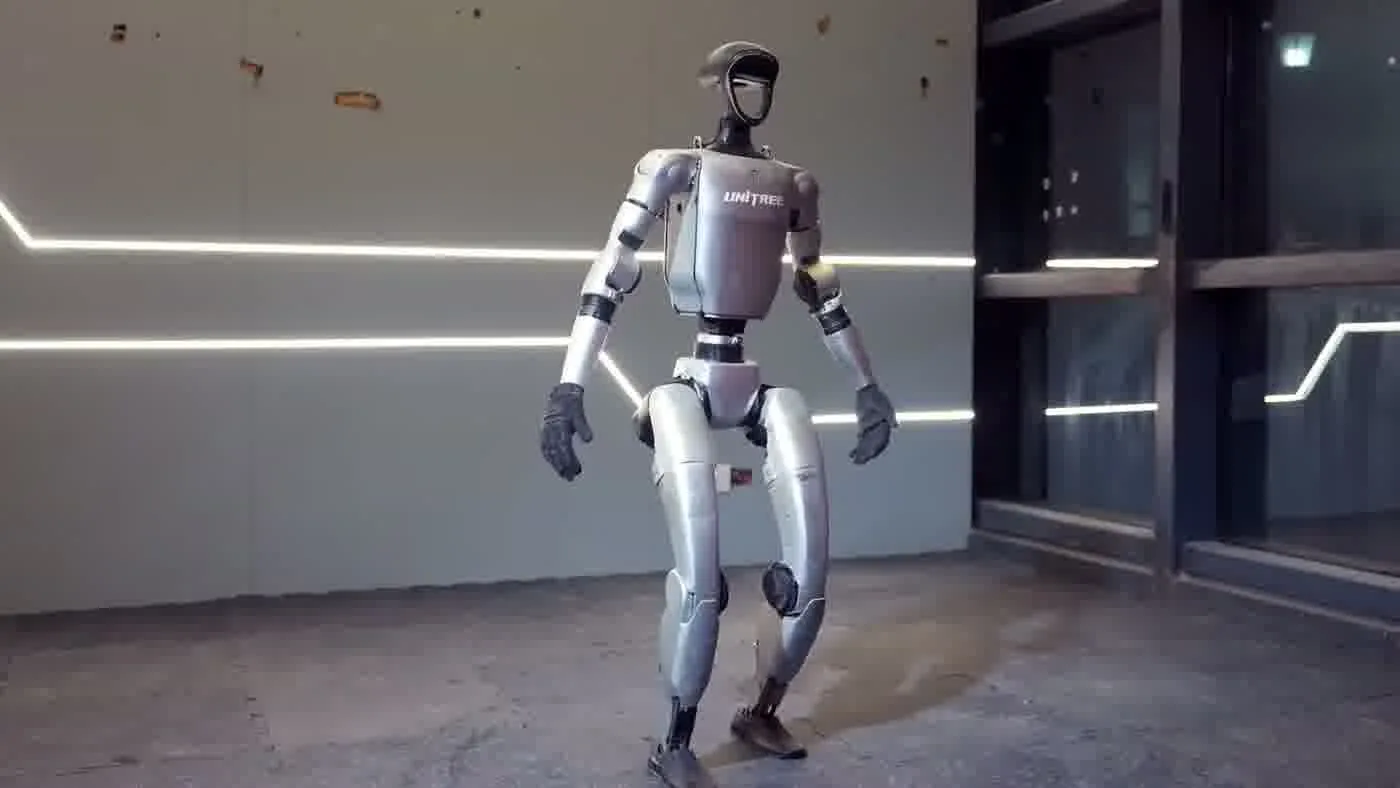
Unitree G1 — At a Glance
- 127 cm tall | 35 kg
- 41 degrees of freedom
- Five-finger dexterous hands
- 2-hour operational battery
- Onboard NVIDIA Jetson Orin
- Available to rent from $299/day
What You Should Know
- Not all robot rental companies operate the same hardware or offer the same support tiers
- Operator credentials and experience are more important than the robot brand
- Hardware coverage responsibility should sit with the rental company, not the event organiser
- Event-day technical support and replacement protocols vary significantly by provider
- Lead time, delivery logistics, and venue requirements differ by company
- The contract terms around cancellation and day-of failures matter more than pricing
The humanoid robot rental market has grown quickly. That growth means more providers, more hardware options, and more variation in service quality. Industry coverage from BizBash has tracked the rise of experiential technology vendors at live events, and the pattern is consistent: the planners who avoid problems are the ones who asked the right questions before the contract was signed, not after. For a broader look at the due diligence process, the hire humanoid robot questions post covers related ground from the client perspective.
Questions 1-4: The Robot and Its Operator
These four questions establish what you are actually getting — the hardware, the person running it, and their capability to deliver what is promised on the brief.
Question 1: What robot model will be at my event, and what are its specs?
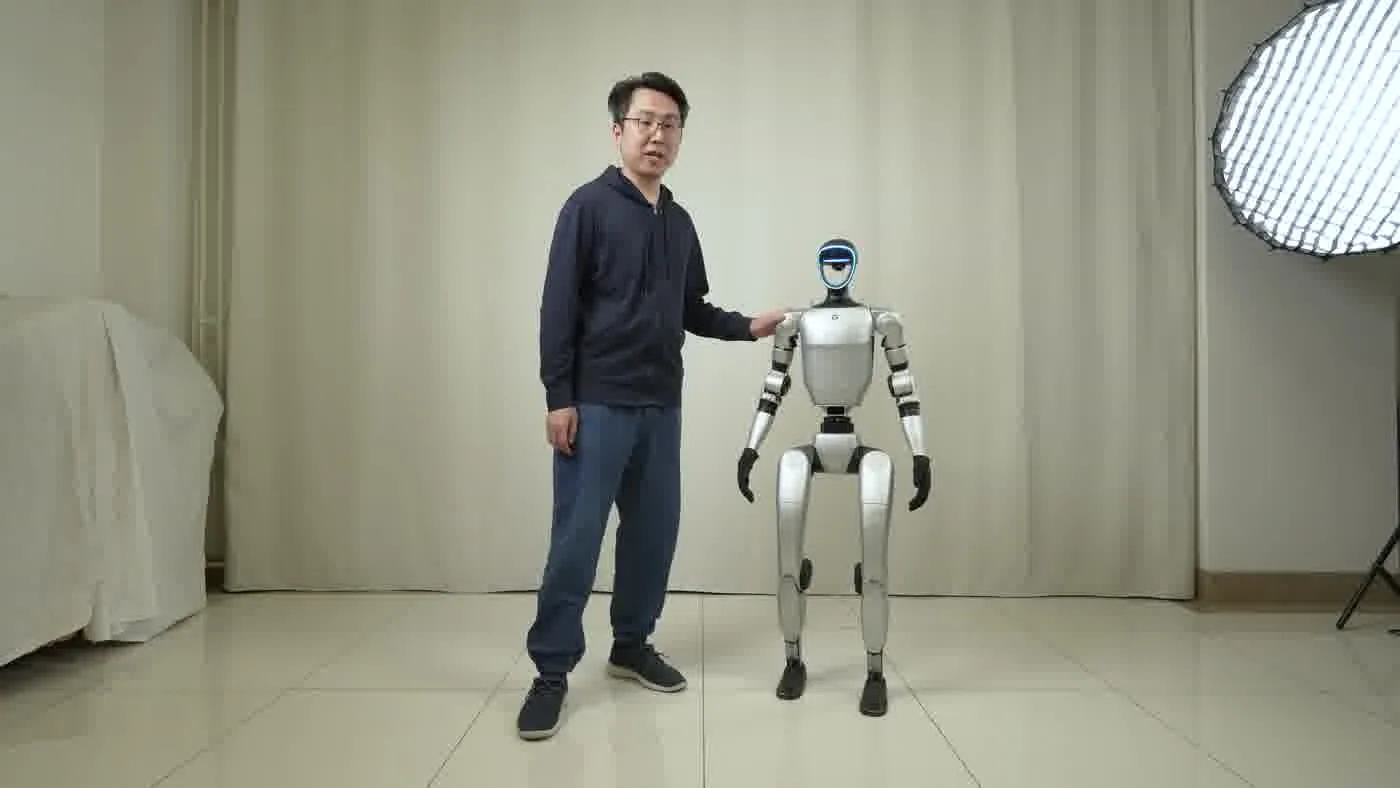
Get the specific model, not a product family. If the answer is the Unitree G1, the relevant specs for event planning are: 127 cm tall, 35 kg, 41 degrees of freedom, and approximately 2-hour battery runtime per charge cycle. If a company is vague about which model you will receive, that is a red flag. The model determines movement capability, footprint, power requirements, and what the robot can actually do at your event. The how to rent a humanoid robot guide covers what to expect from the hardware spec conversation.
Question 2: How many events has your operator run with this specific robot?
This is the question most planners skip and later regret. Robot hardware is only as reliable as the person operating it. Ask for a number: how many events, at what scale, in what venue types? An operator who has run 50 convention hall deployments with the G1 will handle a power fluctuation, a software restart, or a crowd management issue in a way that a first-season operator cannot. Event-day competence is not a function of enthusiasm — it is a function of repetition. Coverage from Event Marketer on technology activations consistently highlights operator experience as the primary predictor of experiential success.
Question 3: What is the operator-to-robot ratio for my event?
One operator per robot is the standard for events requiring continuous interaction, battery rotation, and real-time content adjustments. If a company quotes you one operator for two or more robots at a high-traffic event, ask how they handle a simultaneous issue on both units. The answer tells you a lot about how they think about risk. For Full-Service events, ZMProbots deploys one trained operator per robot as standard. For Self-Service rental, the client’s designated operator receives a full operational briefing before the event date.
Question 4: Can the robot execute scripted content, and how is it programmed?
Not all robot rental companies offer scripted or custom content capability. Some offer the hardware only, with a fixed set of movement routines. Others — including ZMProbots — can program custom greetings, branded interaction sequences, and specific movement choreography to match your event brief. Understand what the company can actually deliver before you build it into your brand activation plan. If scripted content is part of your brief, confirm it in writing and ask to see examples from prior events. The humanoid robot for events post covers how content programming fits into event deployment.
Questions 5-8: Logistics and Venue
Logistics failures are the second most common source of event-day problems after operator inexperience. These four questions expose the gaps before they become incidents.
Question 5: What is your delivery radius, and what does transport include?
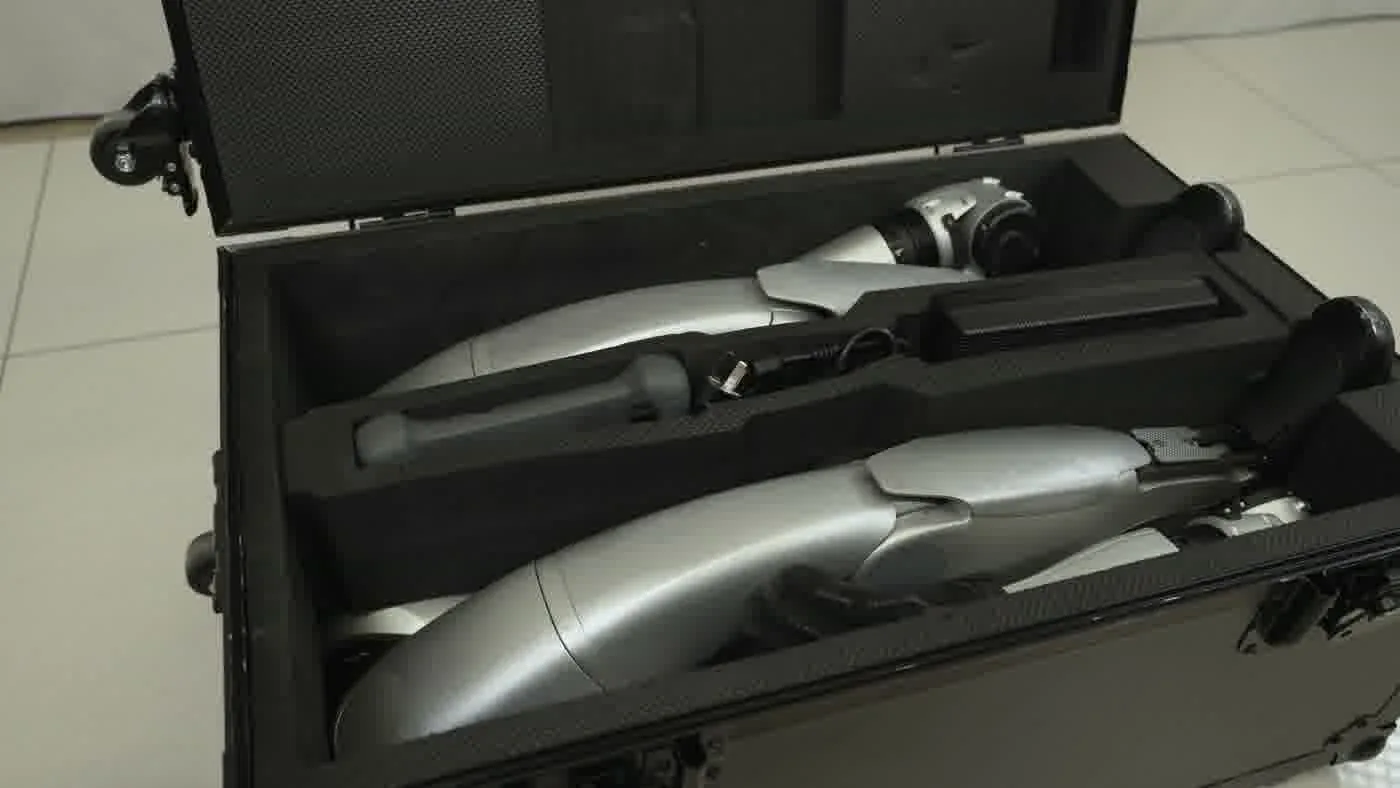
A robot rental company may list your city as a service area while quoting you a transport surcharge that changes the economics of the booking. Ask specifically: what is included in the base quote, what triggers an additional transport charge, and who is responsible if the robot is damaged in transit. ZMProbots operates across four regions — US, Canada, UK, and EU — with transport logistics managed by the company for Full-Service events. For Self-Service rental, clients collect from a regional hub. Get the transport terms in writing before you compare quotes from different providers.
Question 6: What are the power requirements, and does my venue need anything special?
The Unitree G1 charges at up to 1,000 watts peak draw on a standard 15-amp circuit. Most convention halls and hotel ballrooms handle this without any special provision. Outdoor events and temporary venues may need a generator compatibility check. A competent rental company should be able to give you a one-sentence power briefing that you can pass directly to your venue AV team. If the company cannot tell you the power draw in watts and the circuit type required, their operational documentation is not where it needs to be. Technical infrastructure guidance from IEEE Spectrum on robotics deployment confirms that power planning is one of the most frequently underspecified elements of event robotics briefs.
Question 7: Will you do a venue pre-visit or site survey?
For large-scale or complex events, a site survey before the event date is worth asking about. The survey covers floor surface type (relevant to the robot’s movement), crowd flow patterns, power outlet locations, ceiling height for any overhead rigging near the robot, and load-in logistics. Not every event needs a formal site survey, but any company deploying hardware at a venue they have never worked in should at minimum review venue floor plans and ask targeted questions of the venue’s technical team. Ask how the company handles new venues. The G1 rental operations playbook covers the pre-event checklist ZMProbots uses for both new and familiar venues.
Question 8: What are the minimum booking requirements?
Booking minimums vary significantly by company and service tier. ZMProbots Self-Service rental starts from $299/day with a three-day minimum. Full-Service events are quoted individually based on brief. Other companies may have day-of minimums, hourly billing, or weekend-only restrictions. Understanding the minimum booking structure upfront prevents the situation where a one-day event quote comes back with a three-day minimum you were not expecting. If your event duration does not fit the company’s standard minimums, ask whether a custom arrangement is available before investing time in a full brief. The humanoid robot lease terms post explains how booking structures typically work in this market.
Questions 9-12: Risk, Support, and Contract
This is the category most clients skip and most regret. Contract terms and risk protocols are where the difference between a professional rental company and an amateur operation becomes most visible.
Question 9: What happens if the robot has a technical issue on the day?
This is the most important question on the list. Ask it directly, and listen for specificity. A professional answer covers: what the first-response protocol is, whether the operator can diagnose and restart on-site, what the escalation path looks like, and how quickly a resolution or replacement decision is made.
A vague answer — “we will sort it out” — is not a protocol; it is a hope. ZMProbots operators carry diagnostic tools and spare components for common field issues. For Full-Service events, an on-call technical contact is reachable throughout the event window. Ask any prospective company for the same level of specificity. The humanoid robot company rentals 2026 post covers how the professional end of the market handles event-day contingencies.
Question 10: Who is responsible for the hardware if something goes wrong?
The robot rental company should carry their own equipment coverage for the hardware they bring to your event. You should not be expected to take on financial responsibility for a high-value humanoid robot through your own event arrangements.
Ask the company directly: do they carry inland marine or equipment coverage on the hardware while it is at your venue? If the answer is no, or if the company expects you to indemnify them for hardware damage caused by normal operation conditions, walk away. A well-run rental company treats hardware coverage as a cost of doing business, not a risk to transfer to the client. Verify this in the contract, not just in the sales conversation. The robot rental for events 2026 guide addresses how reputable companies structure their coverage.
Question 11: What are the cancellation terms?
Cancellation terms vary widely across robot rental companies. The key questions are: what is the notice period for a full refund or credit, what happens to the deposit if you cancel inside that window, and what constitutes a force majeure event that would allow cancellation without penalty.
Do not sign a contract without understanding the cancellation structure. This is especially important for events that have weather dependencies, permit dependencies, or venue arrangements that can fall through. Ask the company to walk you through a cancellation scenario before you commit. Get the terms in writing and make sure they match what was described verbally in the sales process. The humanoid robot myths debunked post addresses some of the common misconceptions around rental contracts.
Question 12: What does the contract actually cover — and what does it exclude?
Read the contract before signing. This sounds obvious, but event production timelines often create pressure to sign quickly. The areas to check in any robot rental contract: what the company is responsible for delivering, what counts as a successful delivery (is it showing up on-site, or performing for a minimum number of hours?), what exclusions apply to the hardware warranty during your event, and what the dispute resolution process looks like.
A contract that specifies the robot model, the operator’s responsibilities, the power and venue requirements, and the day-of failure protocol is a contract written by a company that has thought through what can go wrong. A one-page contract with no specifics is a contract written by a company that has not. For clients exploring the full humanoid robot rental market, understanding contract structure is one of the clearest signals of provider quality.
People Also Ask
How do I choose a robot rental company?
Start with operator experience, not hardware brand. Ask how many events the company has run with the specific robot model you will receive, what their hardware coverage arrangement is, and what their event-day support protocol looks like. Then review the contract for specificity around delivery, performance, and cancellation. Companies that can answer all 12 questions in this checklist clearly are companies worth booking. Companies that deflect or answer vaguely are telling you something important about how they operate.
What questions should I ask a robot rental company before booking?
The 12 questions in this post cover the full picture: robot model and specs, operator experience and ratio, scripted content capability, delivery logistics, power requirements, site survey process, booking minimums, day-of failure protocol, hardware coverage, cancellation terms, and what the contract actually covers. Work through all 12 before signing anything.
Does the robot rental company provide an operator?
It depends on the service tier. Full-Service rental typically includes a trained operator who manages the robot throughout the event. Self-Service rental provides the hardware with an operational briefing, and the client’s designated person manages the robot on the day. Both models are legitimate — what matters is that whoever is operating the robot has been properly trained on the specific hardware. Ask the company to describe the operator’s qualifications and training process regardless of which service tier you are considering.
Who is responsible if the robot is damaged at my event?
The rental company should carry their own equipment coverage for the hardware while it is at your venue during normal operation. You should not be expected to accept a contract clause that holds you responsible for hardware damage caused by standard deployment conditions. If the company does not carry coverage on their own equipment, that is a significant red flag about how they manage operational risk.
What is a reasonable lead time when booking a robot rental company?
For events with custom scripted content or specific logistical requirements, four to six weeks is a reasonable minimum lead time. Simple self-service bookings at standard service tiers can sometimes be arranged with less notice, depending on availability. The key constraint is not usually the hardware — it is the preparation time needed to brief the operator, confirm venue logistics, and handle any custom content programming. Ask the company for their standard lead time and what the minimum notice is for your event type.
The Bottom Line
Choosing the right robot rental company in 2026 is not complicated if you ask the right questions. The 12 questions in this checklist cover every material variable: the hardware, the operator, the logistics, the risk protocols, and the contract terms. A company that answers all 12 with specificity and confidence has thought through what can go wrong and has protocols in place. A company that deflects or answers vaguely is telling you where their gaps are.
ZMProbots runs the Unitree G1 — 127 cm, 35 kg, 41 degrees of freedom — for events across the US, Canada, UK, and EU. Trained operators handle Full-Service events. Self-Service clients receive a full operational briefing at collection. Contracts specify the robot model, operator responsibilities, and day-of failure protocol in plain language. To review service tiers and request a brief, the robot rental for events page has full details.