Force-Controlled Locomotion
Two Paths, One Robot
What You Should Know
- Both paths use the same robot: the humanoid robot for sale or for rent is the Unitree G1
- Ownership: one capital purchase, ongoing operating costs
- Rental: no capital outlay, flexible use period, ZMProbots handles logistics
- Most event-based deployments are better served by rental
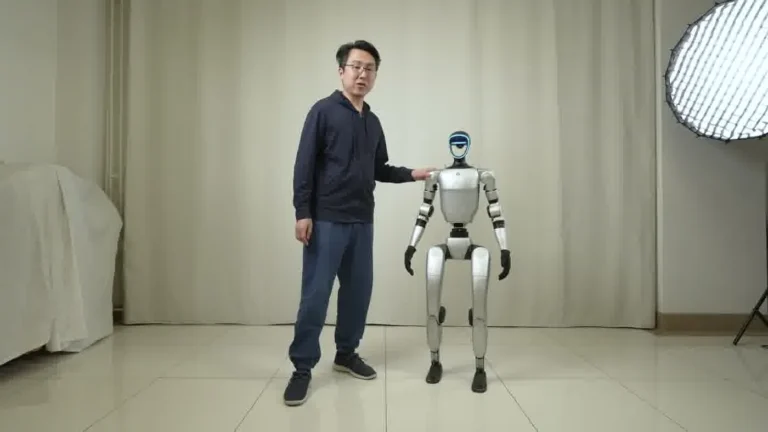
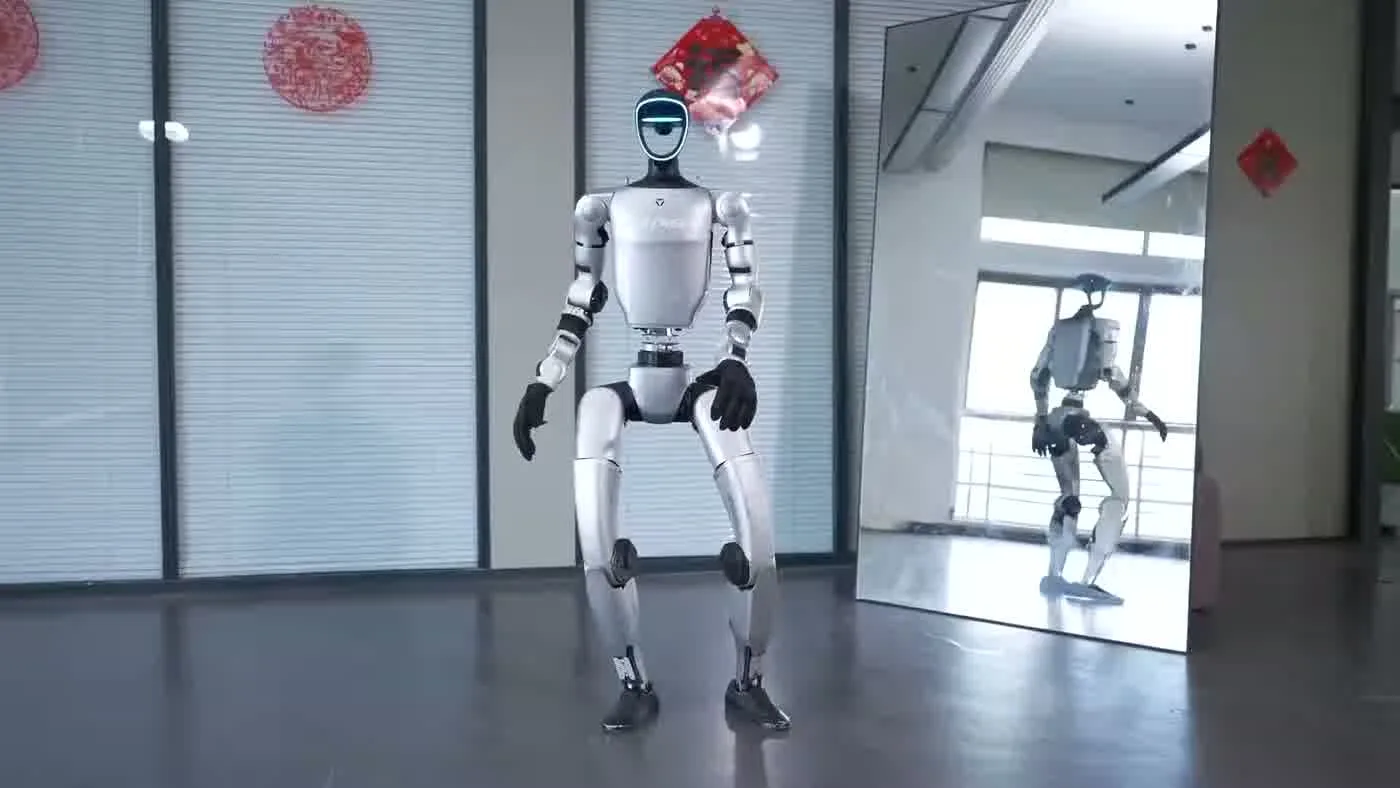
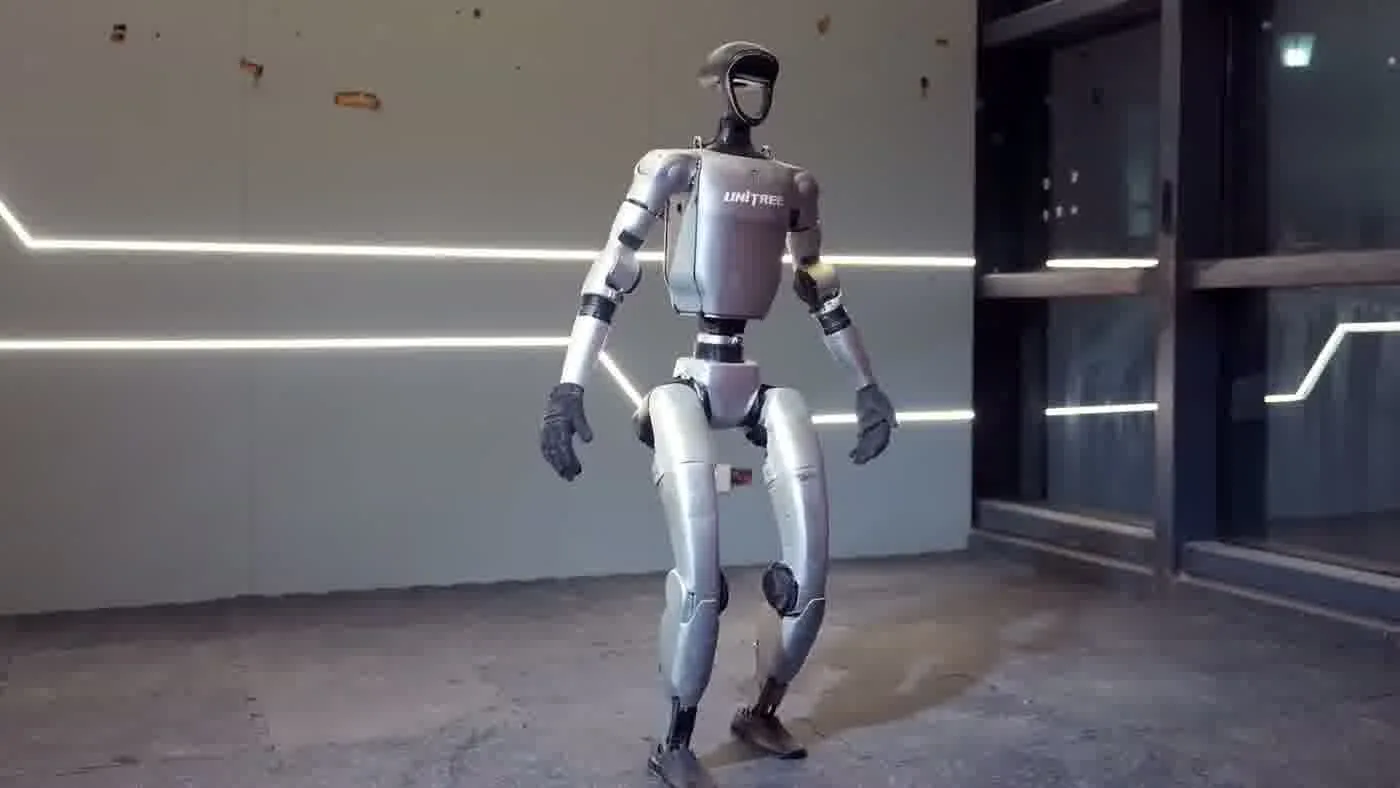
Both options give you the same hardware: the Unitree G1 — 127 cm tall, 35 kg, 41 degrees of freedom, and five-finger dexterous hands. It walks, gestures, carries objects, and runs scripted demo loops. The robot is identical whether you purchase or rent.
What changes is everything around the robot: who maintains it, how fast you can deploy it, what happens when something breaks, and what the total cost looks like over a 12-month period.
Buying
A one-time capital purchase. The G1 is yours to deploy whenever you need it, for as long as you want. You own the asset, absorb the depreciation, and take on all maintenance, storage, and operator costs.
Renting
A day-rate rental from ZMProbots for a defined period (3–30 days for Self-Service Rental, or a flat-fee Full-Service Event booking). No capital outlay. ZMProbots handles delivery, collection, and base damage cover. You pay for the days you need it and nothing more.
For a deep cost comparison across a 3-year horizon, see the 3-year buy vs rent cost analysis.
Buy: When Ownership Makes Sense
Ownership has a clear use case profile. If all of the following apply to your situation, buying is worth the capital commitment.
High-Frequency, Long-Horizon Deployment
If your organization runs the robot for 100 or more days per year — continuous R&D, university research programs, retail demonstration loops that run daily — the per-day cost of ownership falls below rental over a multi-year horizon. At fewer than 100 days per year, rental is almost always cheaper when you account for operating costs.
In-House Robotics Capability
Ownership requires someone who can maintain the robot, calibrate joints, update firmware, and recover from field failures. University robotics labs, corporate R&D teams, and government research programs typically have this capability. Event agencies and marketing teams typically do not.
Stable, Predictable Use Case
If you know exactly what you need the robot to do for the next 2–3 years, ownership works. If your use case changes with client briefs, campaign schedules, or event calendars, rental gives you the flexibility that ownership takes away.
For a full breakdown of what buying a G1 entails, see the humanoid robot for sale guide.
Rent: When Rental Makes Sense
Rental fits the majority of commercial use cases in 2026. The profile that consistently makes rental the correct call:
Event-Based and Seasonal Use
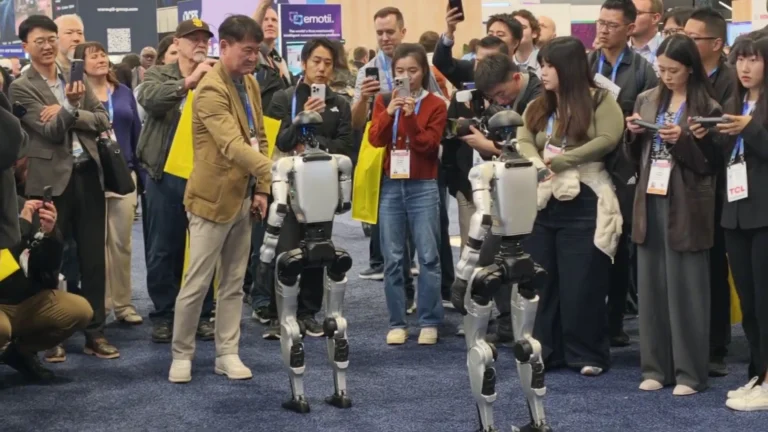
Trade shows, product launches, brand activations, and convention appearances happen on a schedule — not every day. Booking a robot for the 4 days of a trade show costs a fraction of owning a robot that sits in storage for most of the year.
No In-House Operator
The Full-Service Event tier dispatches a ZMProbots operator to your venue. You do not need a trained robotics technician on your team. Your team runs the booth; the operator runs the robot.
Variable Demand
Agencies handling multiple client campaigns, experiential studios with shifting briefs, and AV production companies with irregular schedules all benefit from rental. You scale the robot to the project — not the project to the robot. Teams considering a purchase should also read our UK vs US robot hire logistics guide for region-specific delivery and compliance factors.
Budget Structure
For most marketing and event budgets, robot rental is an operating expense booked against a specific campaign. Ownership requires capital approval, depreciation accounting, and ongoing maintenance budget. Most event teams find the rental path cleaner to fund.
For pricing and what is included, see the humanoid robot rental page.
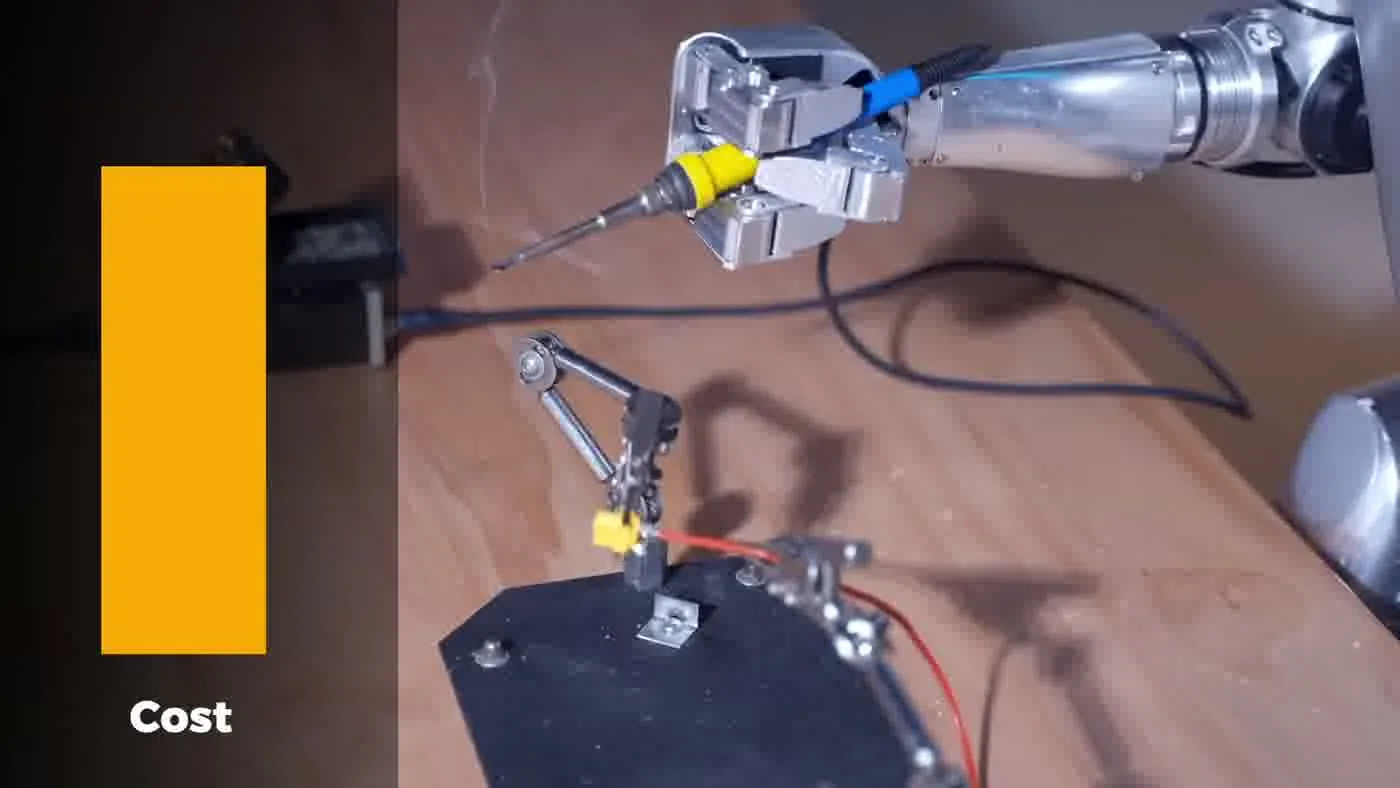
The 5-Question Decision Framework
Answer these five questions. The pattern of answers will point clearly to one option.
1. How many days per year do you need the robot?
100+ days/year: Buying becomes viable. Fewer than 100 days: Rental is almost always cheaper when you account for all operating costs.
2. Do you have a trained robotics team in-house?
Yes (engineers who can calibrate, maintain, and recover field failures): Ownership is manageable. No: Rental — especially Full-Service Event — covers the operational gap.
3. How often does your use case change?
Stable, predictable 2+ years: Ownership makes sense. Changes with client work or campaign schedule: Rental keeps you flexible.
4. Do you need the robot in multiple locations simultaneously?
No, one location at a time: Either path works. Yes, multiple concurrent deployments: Rental lets you scale without buying multiple units.
5. What does your budget structure look like?
Capital budget available, multi-year approval process: Ownership is feasible. Project or campaign budgets, OpEx only: Rental fits the budget structure you actually have.
If your answers are mostly “No” to questions 2–3 and fewer than 100 days on question 1, rental is the correct choice. That describes the majority of commercial deployments we see.
Hidden Costs on Each Side
The headline numbers are the starting point. Here is what people consistently miss on each path. For a detailed cost breakdown, see the Unitree G1 rental cost guide.
Ownership: What People Miss
- Operator cost. The robot does not operate itself. A trained technician adds to payroll costs or requires contracting. Factored in, this often exceeds the robot’s amortized purchase price per day.
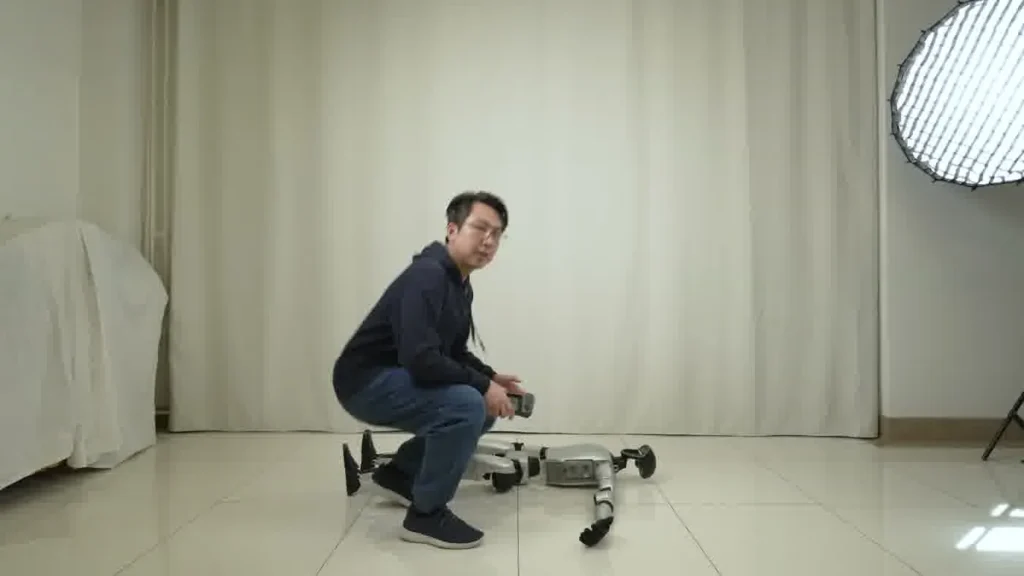
- Maintenance and parts. Joint servicing, firmware updates, battery replacement cycles, and occasional hardware failures cost time and money. Budget a meaningful portion of the purchase price annually for maintenance.
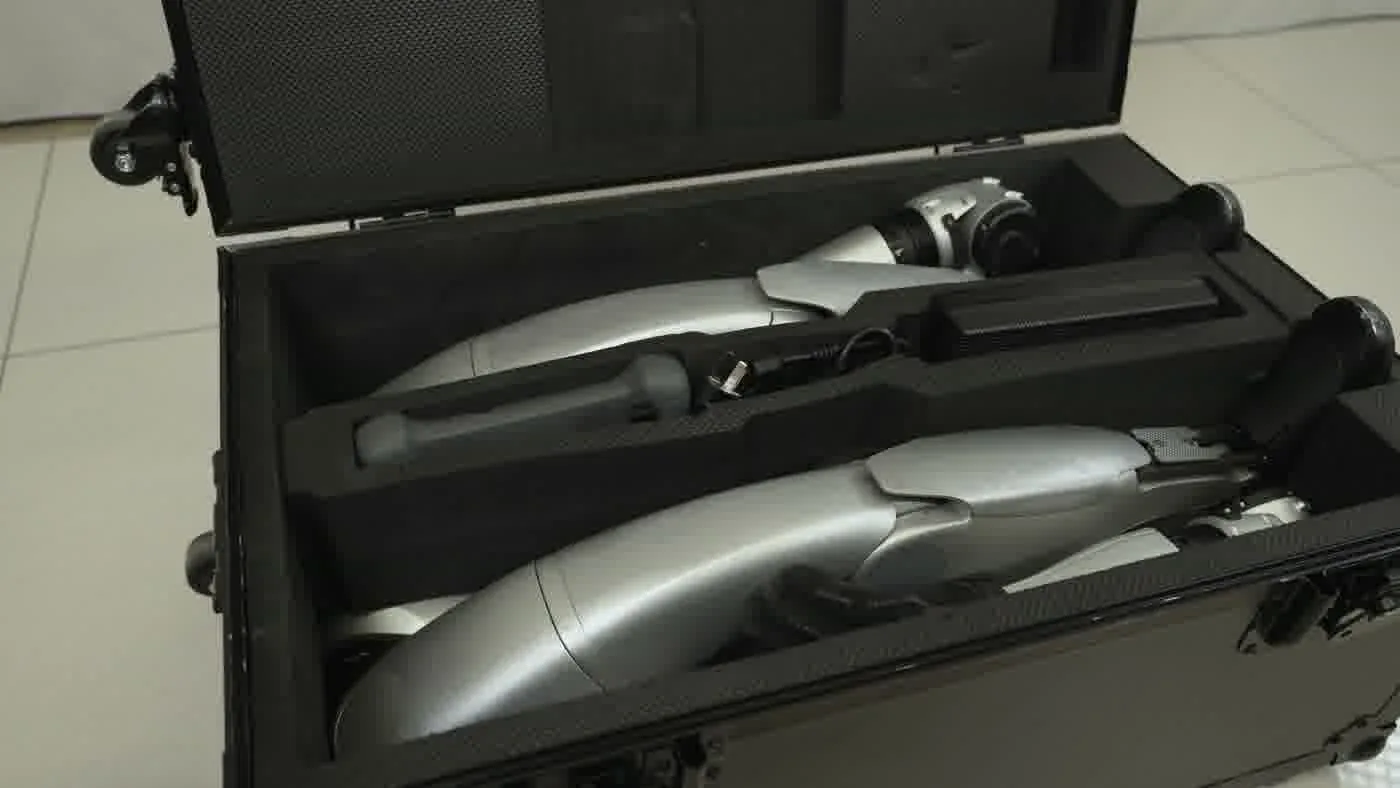
- Storage and transport. A 35 kg robot in a soft case needs secure storage and a vehicle to move it. Neither is free.
- Depreciation. Humanoid robot hardware evolves quickly. A unit purchased today may be two generations old in 3 years. The Unitree G1 spec history gives a sense of the release cadence.
These costs are structural, not exceptional. They apply from day one and compound over time.
Rental: What People Miss
- Accumulated day-rate. At high frequency of use, day-rate costs add up faster than a purchase price amortized over the same period. Run the numbers at your actual deployment frequency.
- Lead time. Rental requires booking 1–4 weeks ahead depending on region. Last-minute bookings are possible but can attract rush shipping charges.
- Familiarity curve. Each rental starts with setup. If your team runs the robot often, the initial setup time per booking is a real cost. Industry standards on equipment total cost of ownership from IEEE Spectrum apply similar framing to research hardware decisions.
People Also Ask
What does a Unitree G1 humanoid robot cost to buy?
The Unitree G1 carries an approximate US market price of $70,000 including sales tax. Prices vary by configuration and region. Check the Unitree website for current pricing.
Is it cheaper to buy or rent a humanoid robot over 3 years?
It depends on deployment frequency. At 100+ days per year with an in-house team, ownership becomes cost-competitive. Below that threshold, rental is almost always cheaper once operating costs are included.
Can I buy a Unitree G1 from ZMProbots?
ZMProbots offers Self-Service Rental and Full-Service Event bookings. For purchase, contact Unitree directly. Our platform is built for rental; we do not sell units outright.
What is included in a robot rental that I would have to provide if I bought?
With rental: delivery, collection, ZMP Protection (damage cover), and Full-Service operator support. With ownership: you source your own transit case, operator, maintenance, and damage coverage separately.
What is the minimum rental period?
3 days for Self-Service Rental. Single-day events book the Full-Service Event tier, which covers one event day plus setup and pack-out with a ZMProbots operator.
What happens if the robot breaks during a rental?
ZMP Protection covers accidental damage during Approved Use. Field repairs cover most issues within an hour. If a unit is unusable, ZMProbots dispatches a replacement from the nearest regional hub.
The Bottom Line
The robot is the same either way — a Unitree G1 with 41 degrees of freedom and a two-hour battery. The question is whether you need to own it or whether you need it to be available when you need it.
For most commercial deployments in 2026 — event-based, campaign-driven, seasonal — rental is the faster, cleaner path. Ownership makes sense at sustained high-frequency use with the team to support it. The 5-question framework above produces the right answer without a spreadsheet.
If you have confirmed rental is the right path, the robot rental for events page has the booking process, included items, and request form.