In 2026, we field a steady stream of inquiries from buyers who want to buy humanoid robot hardware direct from Unitree in China, bypassing US resellers entirely. Our answer is always the same: you can do it, but the path is more complicated than most buyers expect. This post walks through what direct purchase actually involves — the import process, the documentation barriers, and the after-sales realities — so buyers can make an informed decision before committing.
Table of Contents
Inside the Boxing Ring
What You Should Know
- Direct purchase from Unitree is available, but US buyers face significant import overhead
- Technical documentation, firmware updates, and support are primarily in Chinese
- Warranty terms for direct purchases may not apply the same way as through US resellers
- Import logistics add time and cost — lead times extend significantly for direct purchases
- US resellers charge a margin above direct price that covers: import handling, US compliance, and local support
- ZMProbots sells the G1 as a US-based reseller — the markup reflects real overhead, not pure arbitrage
Most buyers who ask about direct purchase have done one calculation: they found Unitree’s pricing and compared it to a US reseller’s listed price. The gap looks significant. What the gap does not tell you is what that difference buys — or more precisely, what it saves you from having to manage yourself. For a broader view of the purchase decision, the where to buy humanoid robot in the US guide covers the full sourcing picture, including which buyer profiles are best served by each channel.
What Direct Purchase Actually Involves
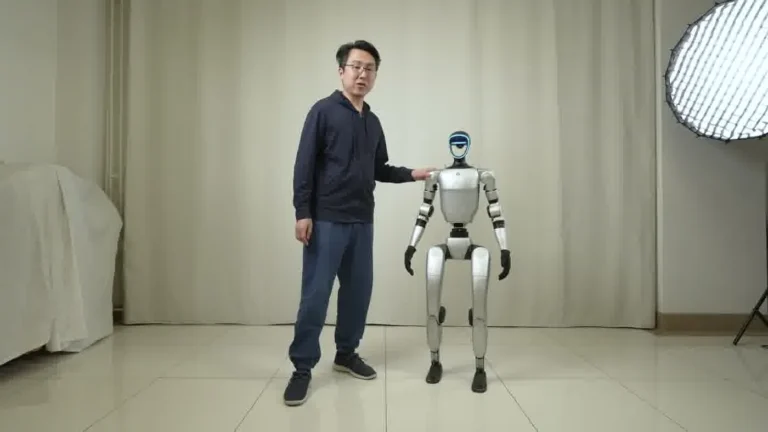
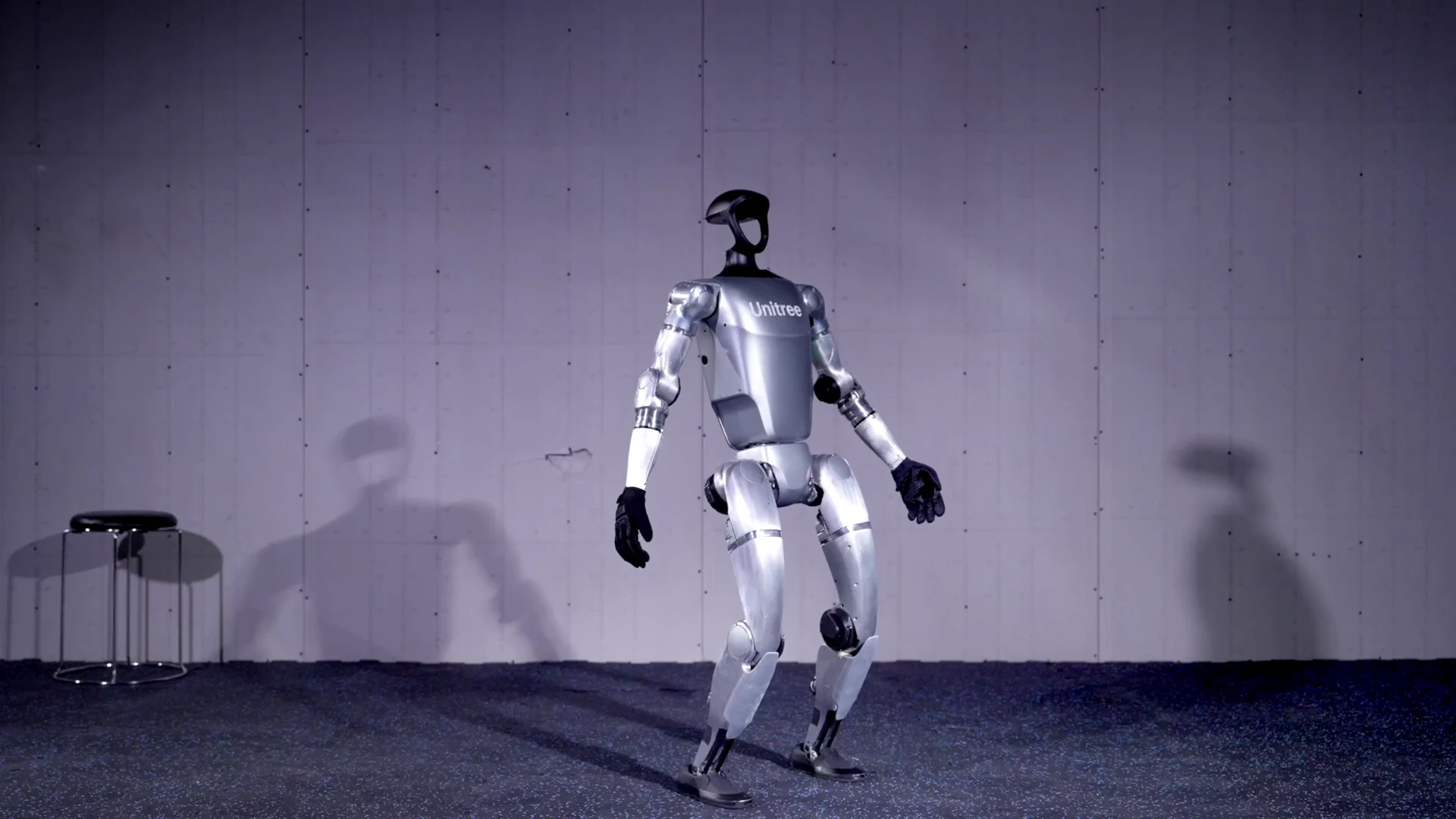
Buying a robot from a Chinese manufacturer is not the same as buying a consumer product from an international retailer. The Unitree G1 is a 35kg precision machine, 127cm tall, with 41 degrees of freedom and a purchase price of $70,000. It is classified as industrial equipment for import purposes, and the logistics that follow from that classification are not trivial.
Customs Clearance and Import Documentation
Direct buyers are responsible for customs clearance. This means working with a licensed customs broker, preparing accurate commercial invoices and packing lists, and correctly classifying the hardware under the applicable Harmonized Tariff Schedule code. Misclassification leads to delays and potential penalties. A US-based reseller handles all of this as part of the purchase — direct buyers take it on themselves or pay separately for a broker to manage it.
The import documentation process for robotic hardware is not the same as for electronics or general machinery. A humanoid robot with embedded compute, battery systems, and sophisticated actuators may require additional regulatory review depending on the specific import pathway. Buyers who have not imported complex electromechanical systems before typically underestimate the preparation required.
Freight Logistics and Handling
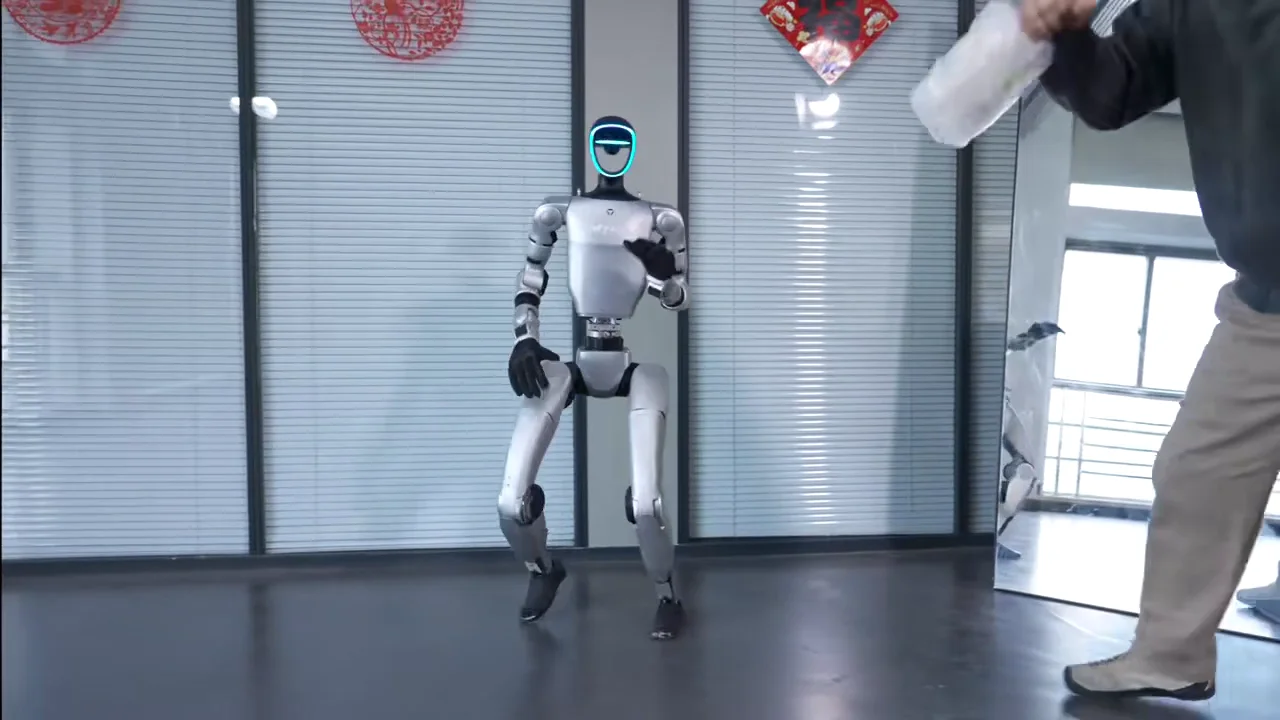
The G1 is not small. Air freight for a 35kg precision machine involves specialized packaging requirements to prevent damage to the actuator systems during transit. Sea freight is less expensive but adds weeks to the delivery timeline. Either way, the buyer is responsible for arranging appropriate cargo protection, tracking the shipment, and having suitable receiving facilities. A dock-delivered pallet of humanoid robot hardware is not something you receive at a residential address or a standard office loading bay.
Technical Inspection on Arrival
When the hardware arrives, direct buyers are also responsible for technical inspection. Any damage that occurred in transit — and transit damage to complex hardware is not uncommon — needs to be documented immediately and a resolution process initiated with the shipper. US resellers typically perform inspection at their facility before the hardware reaches the buyer, catching and resolving transit issues before delivery. Direct buyers take on that inspection responsibility themselves.
IEEE Spectrum‘s reporting on the humanoid robotics supply chain has noted that hardware logistics for precision robotic systems remain a meaningful operational challenge even for experienced buyers — not just first-time importers. The full humanoid robot for sale in 2026 overview covers how the sourcing environment has changed as more platforms entered the US market this year.
Language and Documentation Challenges
Unitree is a Chinese company founded in 2016. Its primary documentation, software interfaces, technical support channels, and community forums are in Chinese. This is not a criticism — it is simply the operational reality for a manufacturer whose home market is China and whose global expansion is still maturing. But for US buyers purchasing direct, it creates friction that does not exist when buying through a US reseller.
Operating Manuals and Technical Documentation
The G1’s technical documentation exists in both Chinese and English, but the Chinese version is more complete and updated first. When Unitree releases new firmware or publishes updated operating guidance, the Chinese documentation is the authoritative source. English translations may lag, may be incomplete, or may contain translation artifacts that create ambiguity for technical users. Buyers who are working with the robot’s SDK or developing custom applications on top of the base platform need accurate technical documentation — and the most accurate documentation is in Chinese.
Firmware and Software Updates
Firmware update notes are typically published in Chinese first. A US buyer without Chinese language capability who wants to understand what a firmware update changes before applying it — a reasonable precaution for a $70,000 robot deployed at live events — faces a translation step that a US reseller eliminates. Resellers who maintain technical relationships with Unitree can advise buyers on what updates include, which to apply, and which to hold off on while compatibility is confirmed.
Technical Support Channels
When something goes wrong with the hardware, the support process for a direct buyer starts with Unitree’s support team in China. Support is provided in Chinese. Error messages in the robot’s interface, diagnostic output, and support ticket responses will be in Chinese. US buyers without language capability are dependent on machine translation, which works adequately for general communications but can produce significant errors when translating technical terminology about actuator faults, sensor calibration, or battery management systems.
US resellers carry this burden as part of the service relationship. A US buyer calling a reseller’s support line reaches someone who speaks English, understands the hardware, and has a direct relationship with the manufacturer to escalate to when needed. The real cost of buying a humanoid robot analysis covers how much of the reseller margin is attributable to this kind of ongoing support infrastructure, which is often invisible to buyers who focus only on the purchase price gap.
Warranty and After-Sales Support
The warranty situation for direct purchases from Unitree is one of the most significant practical differences between buying direct and buying through a US reseller. It is not that Unitree does not stand behind its hardware — the company has a reasonable product support record. The challenge is what happens when something needs to be resolved and the buyer is on the wrong side of the Pacific Ocean.
Return Logistics for Hardware Issues
If a hardware component needs repair or replacement under Unitree’s standard product support terms, the direct buyer in the US faces a logistics problem that a US reseller’s customer does not. Returning a 35kg humanoid robot to China for any kind of manufacturer-side resolution involves the same freight complexity as the original import — packaging, shipping documentation, customs paperwork for temporary export, and waiting through a turnaround cycle that can run weeks or months.
For an event-use buyer, this turnaround is a business problem, not just an inconvenience. A robot that is in transit to China for manufacturer resolution is a robot that cannot be deployed. Buyers who have bookings during that period need a contingency plan — which typically means renting from a US provider anyway. The irony is not lost on buyers who went direct specifically to avoid the reseller markup.
How US Resellers Handle After-Sales Service
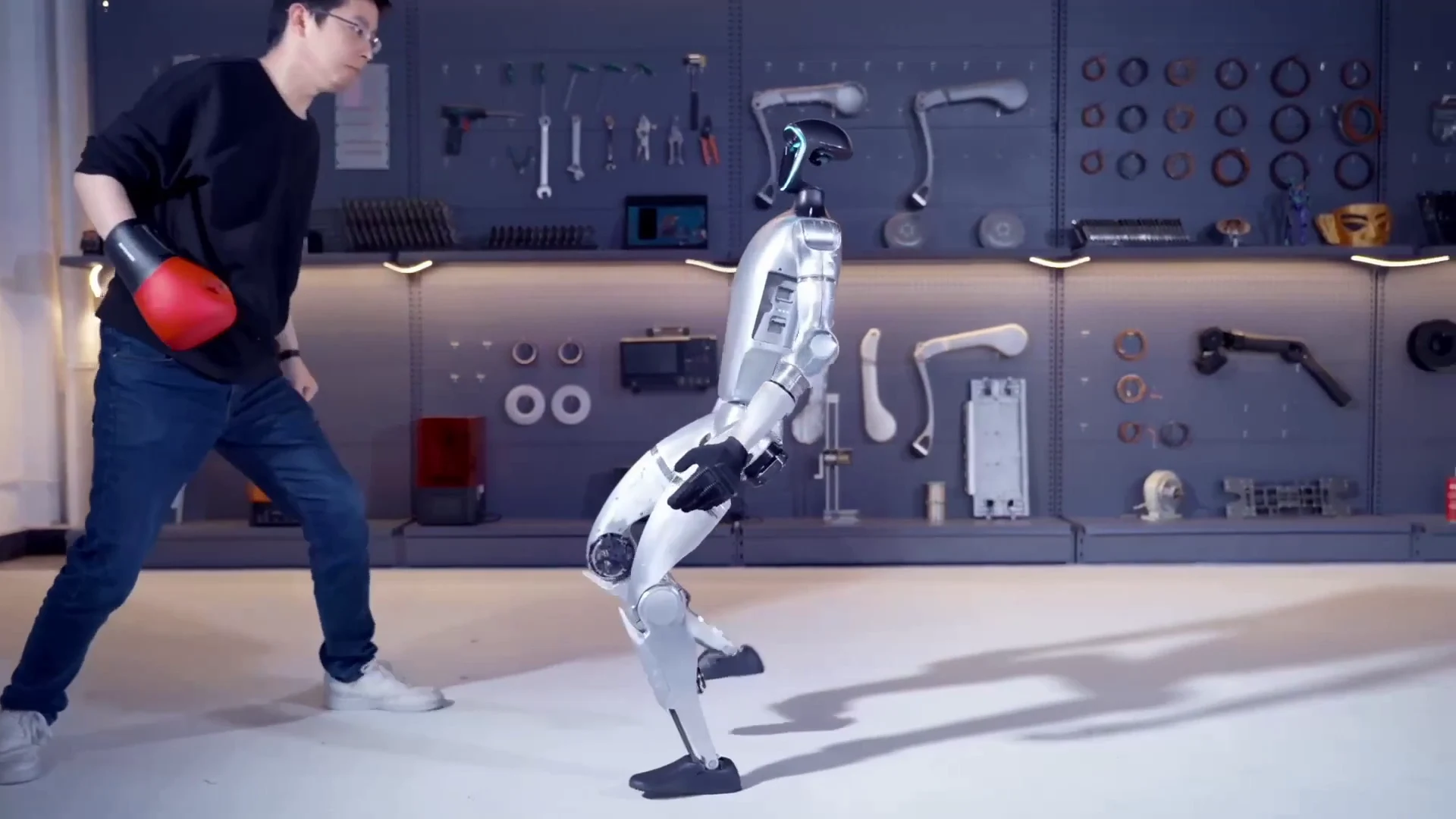
US resellers who carry the G1 maintain domestic service capability. ZMProbots, for example, handles first-line diagnostics and component-level service domestically, with manufacturer escalation reserved for issues that require factory-level resolution. The turnaround for most service situations is measured in days, not months. That difference is worth examining carefully when modeling the total cost of either path.
Parts Availability in the US
Common wear items and replacement components for the G1 are not widely stocked by third-party distributors in the US. Direct buyers who need a part quickly are typically back to ordering from China — shipping time, customs clearance, and all. US resellers who service the hardware they sell maintain parts inventory domestically, which directly reduces downtime when components need replacement.
The full picture of how reseller pricing maps to actual service value is covered in the Unitree G1 price vs markup analysis, which breaks down what each line item in the reseller markup actually corresponds to in delivered service. For buyers who have decided ownership makes sense regardless of channel, the humanoid robot price 2026 overview gives context on how the total market is priced. TechCrunch has also tracked the evolution of humanoid robot after-sales support infrastructure in the US market, noting that the domestic service infrastructure is still maturing — which makes the reseller’s service role more significant, not less.
People Also Ask
Can US buyers purchase the Unitree G1 directly from the manufacturer?
Yes, Unitree does sell direct internationally, but US buyers who go this route take on full responsibility for import logistics, customs clearance, freight arrangement, and all after-sales support. The purchase itself is straightforward; the operational overhead that follows is not. Most US buyers who model the full process end up working with a US-based reseller. For a complete sourcing overview, the Unitree G1 complete guide 2026 covers the platform’s capabilities, specifications, and purchasing pathways in detail.
How long does direct shipping from Unitree to the US take?
Air freight for direct purchases typically adds two to four weeks over a US reseller’s delivery timeline when accounting for order processing, export documentation from China, transit time, and US customs clearance. Sea freight is less expensive but extends the timeline by additional weeks. US resellers who stock inventory domestically can deliver significantly faster — often within days of order confirmation.
What happens if the robot needs service after a direct purchase?
After-sales resolution for direct purchases typically involves shipping the hardware back to China for manufacturer-side service, which involves the same import/export complexity as the original purchase and a turnaround that can run weeks or months. US resellers handle first-line service domestically and maintain parts inventory in the US, which reduces downtime significantly. The humanoid robot myths debunked post addresses several common assumptions about after-sales support that direct buyers often hold going in.
Is Unitree documentation available in English?
Unitree publishes English documentation, but the Chinese version is more complete and updated first. Firmware release notes, SDK documentation updates, and technical support responses are primarily in Chinese. US buyers who need to work closely with the hardware’s software layer — for custom applications, event-specific configurations, or diagnostic troubleshooting — will encounter situations where the most accurate technical information requires translation from Chinese source documents.
Is buying direct from China actually cheaper after all costs are included?
For most US buyers, the apparent savings from direct purchase narrow significantly once import logistics, customs broker fees, freight costs, and the absence of domestic service infrastructure are factored in. The reseller markup covers real operational overhead that direct buyers absorb themselves. Whether direct purchase is the right path depends on the buyer’s existing import logistics capability and whether they have the infrastructure to manage the hardware independently once it arrives. The do not buy the humanoid robot post makes the full case for buyers who are on the margin between ownership and rental.
The Bottom Line
Buying a humanoid robot direct from China is possible, but not as simple as the price gap between manufacturer and reseller makes it appear. US buyers who go direct take on import logistics, customs clearance, Chinese-language documentation, and an after-sales process that runs through China. For buyers with existing import infrastructure and in-house technical teams, the math may work. For most buyers, the reseller markup represents real overhead that shifts from their plate to the reseller’s.
ZMProbots is a US-based reseller of the Unitree G1. To buy the Unitree G1 through a domestic channel — with US-based support and no import logistics to manage — our purchase page covers the full details. If your use case does not require ownership, our humanoid robot rental starts from $299 per day for Self-Service, with Full-Service Event pricing on request.