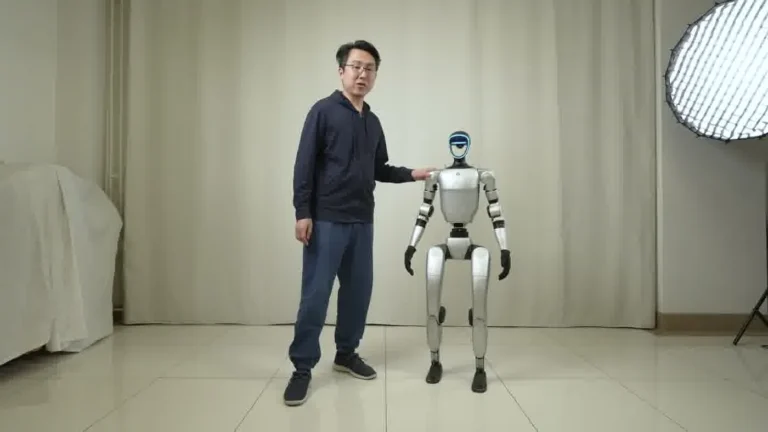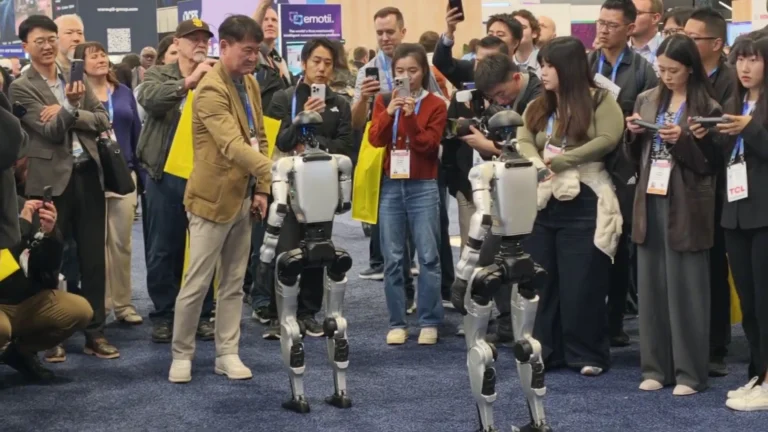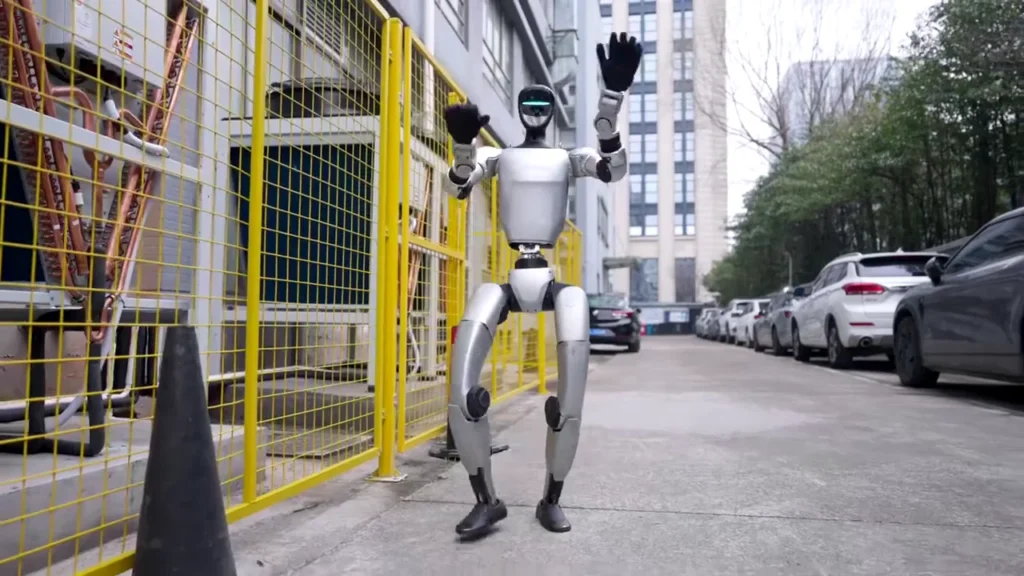
Los Angeles, March 2026. We quoted a production company on a 12-month G1 ownership package. They came back after running the numbers: the total cost of year-one ownership was more than three times the purchase price. They rented instead.
Table of Contents
That story is common. The purchase price is visible. The ongoing costs are not. This post exists to make them visible.
Flexibility Beyond Limits
What You Should Know Before You Buy
The Short Version
- The Unitree G1 has a market price around $70,000. That is the entry point, not the total cost.
- Year-one ownership costs — maintenance, coverage, software, storage, and training — typically exceed the hardware price.
- Most buyers who use the robot fewer than 30 to 40 days per year come out behind on the math versus renting.
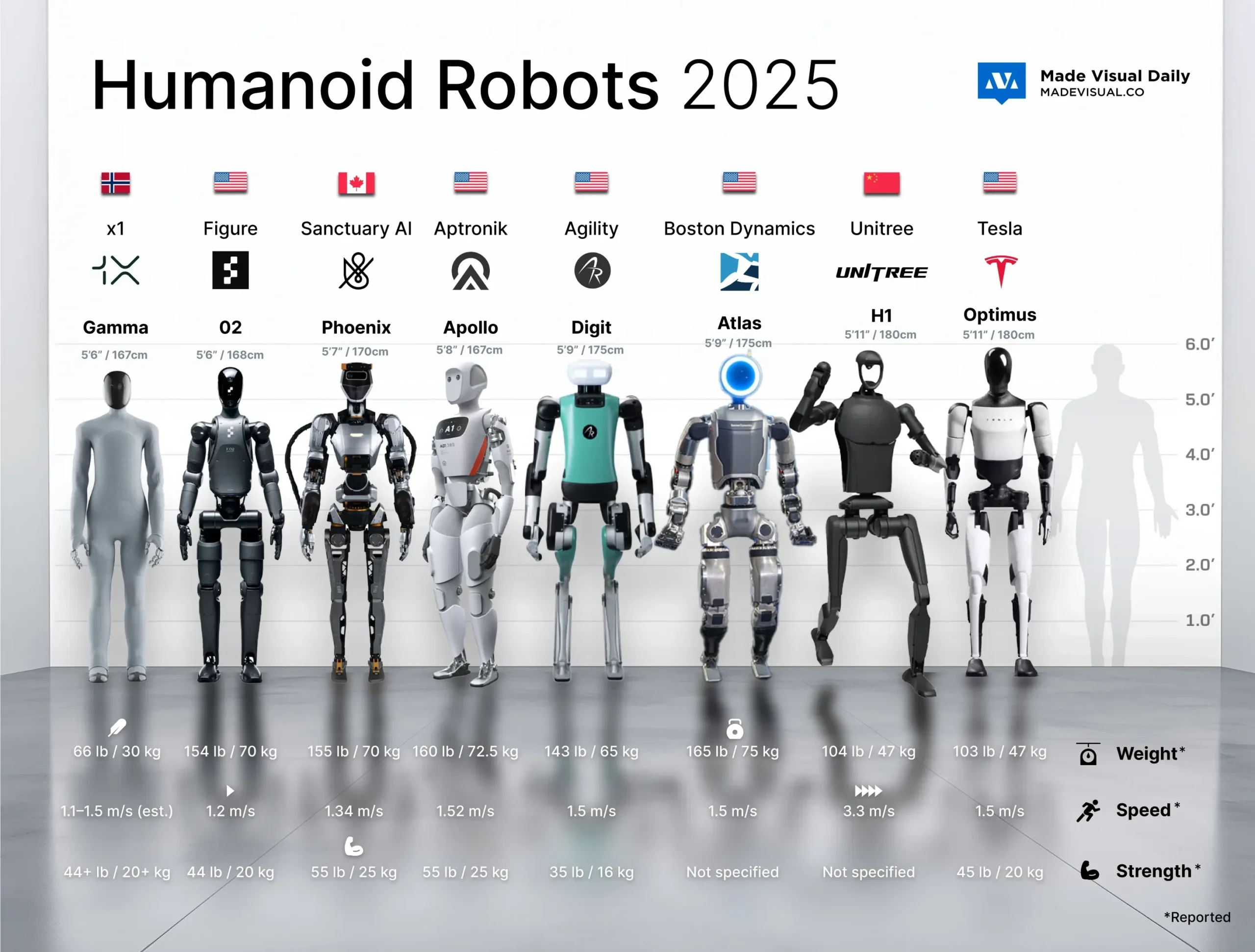
- The G1 is the most affordable capable humanoid on the market. Comparable platforms run significantly higher.
- Buying makes sense for: sustained daily operational use, R&D programs with multi-year timelines, or organizations with in-house robotics engineering teams.
Everything in this post applies to the Unitree G1 specifically and to the humanoid robot category broadly. For the G1’s technical specifications — dimensions, battery, compute, degrees of freedom — the Unitree G1 specs breakdown has the full detail.
What Humanoid Robots Actually Cost to Buy
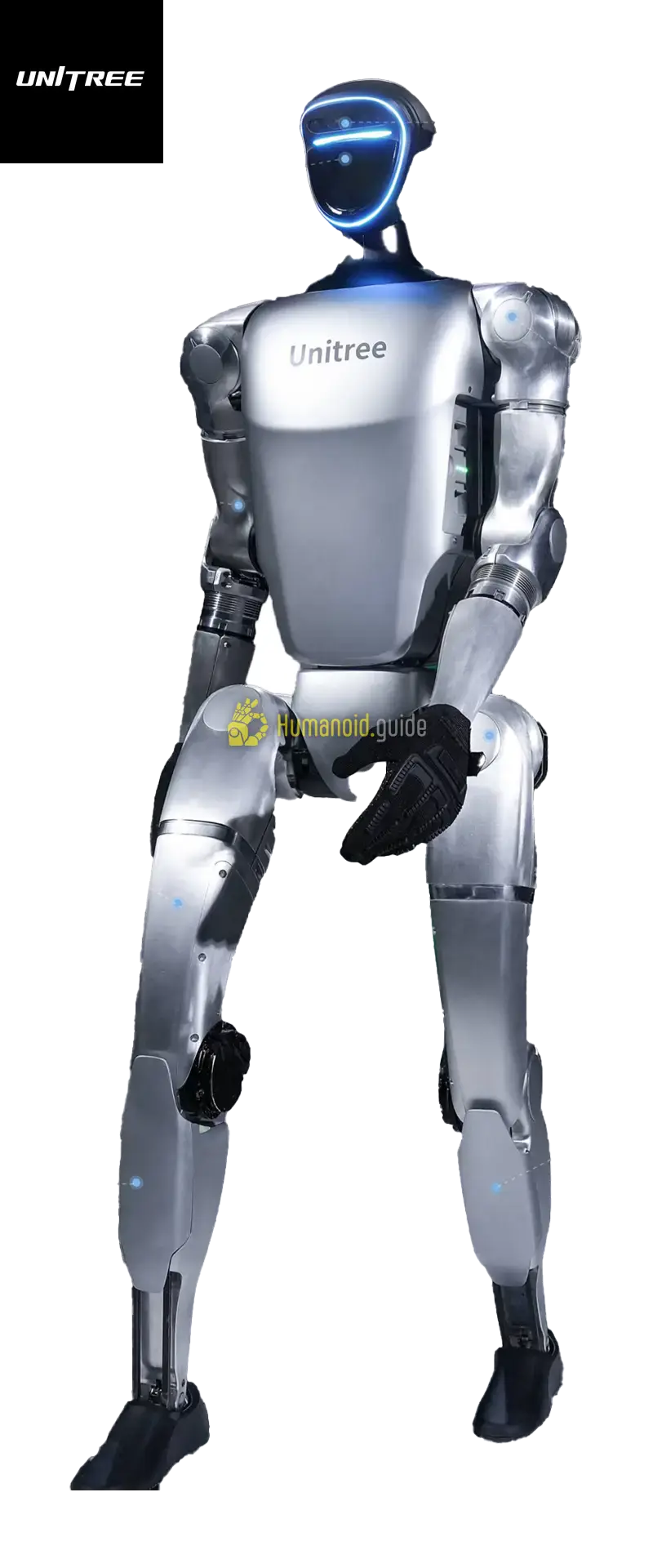
The Unitree G1 carries a market price of approximately $70,000. This puts it at the accessible end of the humanoid robot market. Competing platforms from Boston Dynamics, Figure AI, Agility Robotics, and similar companies are priced significantly higher — most start at six figures and some are not available for direct purchase at all.
What does $70,000 get you with the G1:
- The robot hardware — fully assembled and tested
- Unitree’s SDK and base motion library
- Standard documentation and technical support terms
What it does not include: delivery and import logistics (which vary significantly by region), extended warranty coverage, operator training, or any customization of the motion library for your specific use case.
For context on the broader humanoid robot market, IEEE Spectrum’s robotics coverage tracks new platforms and pricing as they become commercially available. The market is moving quickly — prices and availability shift every quarter in 2026.
One note: the G1’s price point is partly why it has become the dominant platform for event rental and commercial demo deployments. At the six-figure range, most other humanoid platforms are purchased by research institutions and enterprise R&D teams, not commercial operators.
The Hidden Costs of Owning a Humanoid Robot
The purchase price is the most visible number. The ownership costs are where most buyers get surprised. Here is what a realistic first-year cost model includes:
Maintenance and parts
Humanoid robots have high-wear components: joint actuators, foot pads, hand mechanism parts. Unitree and third-party repair services exist, but parts availability varies by region and repair turnaround is not always fast. Budget for planned maintenance intervals and unplanned repairs — these are not optional over a 12-month operating window.
Asset protection coverage
A $70,000 piece of equipment operating in public environments needs formal coverage. Programs that protect robotics hardware in event environments exist, but rates depend on use case, frequency, and geography. This is a real cost line that most ownership projections underestimate or omit entirely.
Storage and transport
The G1 needs climate-controlled storage when not in use. Transport between sites requires a purpose-built case rated for the hardware — the robot does not travel in standard luggage. Cases run several thousand dollars and add weight to every logistics calculation. For multi-venue operators, transport infrastructure becomes a recurring cost, not a one-time purchase.
Operator training
Running the G1 in a live event environment requires trained personnel. If you don’t have them in-house, you’re either hiring contractors or building an internal training program — both have real cost that compounds across turnover and new deployments. The inside a humanoid robot post covers what operators need to understand about the hardware systems they’ll be running.
Software and integration
Base motion libraries are included with the hardware purchase. Custom interaction sequences, branded overlays, venue-specific programming, and integration with existing event technology all require engineering time. TechCrunch’s robotics coverage regularly tracks how commercial buyers are handling the software gap between hardware capability and deployment-ready programming.
These costs don’t disappear if the robot sits idle. Storage, protection coverage, and maintenance accrue regardless of usage. That’s the core math problem with low-frequency ownership.
When Buying Makes Sense — and When It Doesn’t
The break-even calculation is straightforward once you have the full cost picture. If your all-in year-one ownership cost is X, and your deployment frequency is Y days per year, then buying makes sense when X / Y is lower than the per-day cost of renting.
For most event and marketing use cases — fewer than 30 to 40 active deployment days per year — rental wins the math. The humanoid robot buy vs rent 3-year cost post runs this calculation in detail with specific scenarios.
Buying makes sense when:
- You have sustained daily or near-daily deployment needs — R&D programs, permanent retail installations, high-volume event operations
- You have in-house engineering to handle maintenance, software customization, and operator training
- Your use case requires proprietary programming that can’t be delivered through a rental program
- You’re building a multi-year robotics capability and need the hardware under your direct control
Renting makes sense when:
- Your events are episodic — a few times per year
- You need flexibility across different robot types or configurations
- You want damage cover and logistics handled without building internal capability
- You’re evaluating humanoid robotics before committing to ownership
For organizations that want to test humanoid robotics in their actual use case before committing to a purchase, extended rental periods are the most practical path. For a full picture of what the robot does in real deployments, the humanoid robot for events post covers common use cases and operational requirements.
People Also Ask
How much does it cost to buy a humanoid robot?
The Unitree G1 is priced at approximately $70,000 — the most accessible capable humanoid robot currently available for commercial purchase. Competing platforms from other manufacturers typically start at six figures. Pricing varies by region, configuration, and whether extended support packages are included.
What are the ongoing costs of owning a humanoid robot?
Year-one ownership costs typically include: maintenance and parts, asset protection coverage for a high-value moving asset in public environments, purpose-built transport and storage cases, operator training, and any custom software development. These costs accrue regardless of how often the robot is deployed.
Is it cheaper to buy or rent a humanoid robot?
Renting is typically cheaper for organizations deploying fewer than 30 to 40 days per year. Buying wins the math for sustained daily use with in-house technical capability. The three-year cost comparison post works through this in detail with specific scenarios.
Can anyone buy a humanoid robot, or is it restricted?
The Unitree G1 is available for commercial purchase without restrictions in most markets. Some export regulations apply depending on the buyer’s country and intended use. Enterprise and research buyers dominate the purchase market. Unitree’s website has current availability by region.
What is the Unitree G1 purchase price?
Approximately $70,000 at current market pricing. This covers the hardware and Unitree’s base software package. Delivery, import logistics, and extended warranty are additional. For full technical specifications before making a purchase decision, the Unitree G1 specs breakdown has all the detail.
What do you need to operate a humanoid robot after buying one?
At minimum: trained operators who understand the G1’s motion system and safety protocols, a suitable storage facility, asset protection coverage, and a maintenance plan. For public-facing deployments, you’ll also need a transport case rated for the hardware. The complexity scales with how varied and public your use cases are.
Are humanoid robots worth buying for a business?
It depends entirely on deployment frequency and internal technical capacity. High-frequency users with in-house engineering teams get clear value from ownership. Episodic users — a few events per year, no internal robotics staff — typically find the full cost of ownership doesn’t pencil out against the rental alternative. Model your actual usage and run the number before committing.
The Bottom Line
Buying a humanoid robot starts at $70,000 for the Unitree G1 — the most affordable capable platform on the market — and the total year-one cost runs well beyond that once maintenance, coverage, storage, and training are included. The purchase price is the easy number. The ongoing costs are the ones that change the decision.
For organizations with the deployment frequency and internal technical capacity to justify ownership, buying makes sense. For everyone else, the math usually favors renting. If you’re ready to move forward, the buy a humanoid robot page has current pricing and availability by region.