Brands are spending real money on humanoid robots at events in 2026. Pfizer launches. Fashion week activations. CES booths. Auto shows. Retail openings. The bookings are not vanity. They are working.
Table of Contents
The why is not a single reason. It is seven specific advantages that stack on top of each other — some practical, some emotional, all measurable. Here is the honest list of why a humanoid robot has become a standard line item in brand activation budgets, and why the booking calendar at every major rental program in the US is filling up faster than the supply of robots.
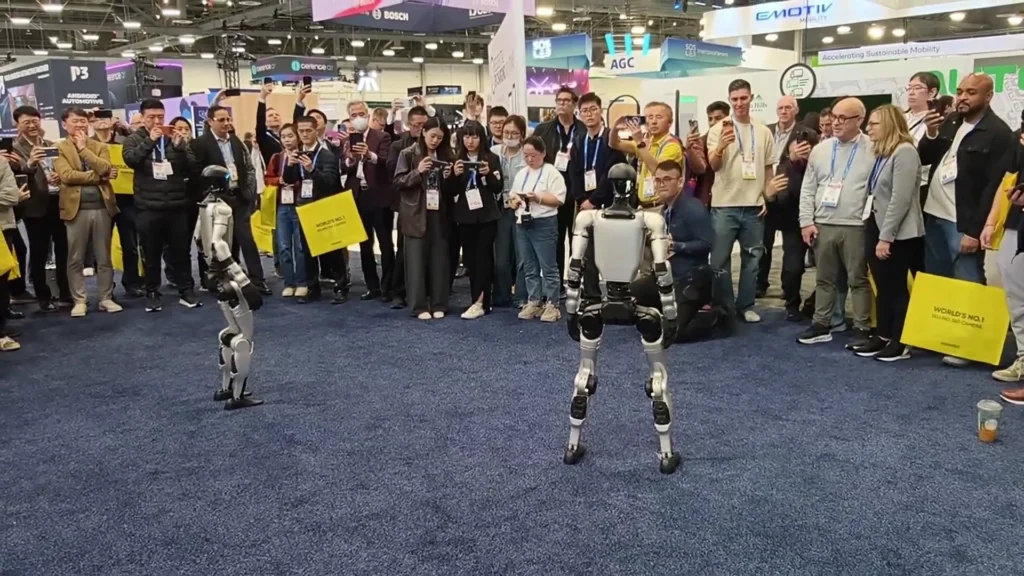
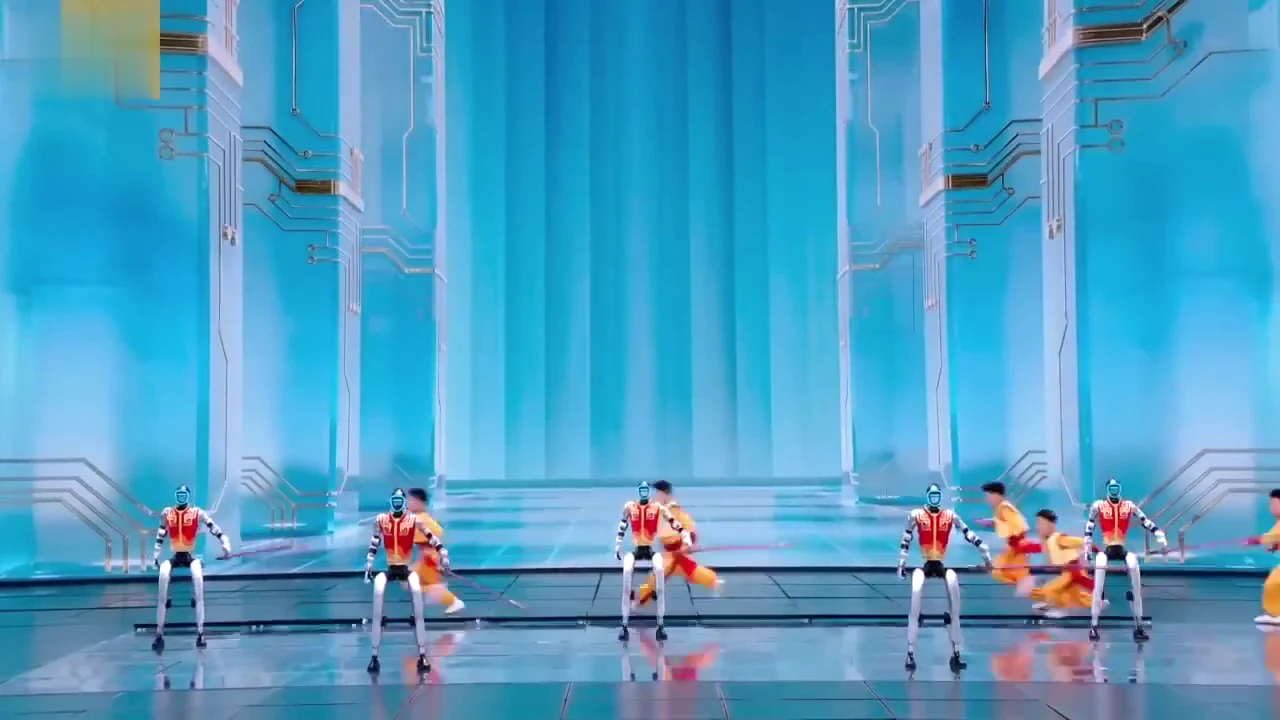
Quartet on Stage
Image source: Corporate Entertainment Agency / Las Vegas trade show robot deployment
The first metric every brand activation team measures is foot traffic. It is also the easiest place a humanoid robot earns its rental fee.
Brands that have deployed humanoids at trade shows in 2025 and 2026 report 2.5x to 4x foot traffic at the booth compared to similar booths without one. A retail grand opening in Chicago measured 3x prior-year traffic when a Unitree G1 was present. A Pfizer activation in Boston measured a sustained crowd around the demo loop for the entire 3-day event.
The math is not subtle. If your booth typically pulls 400 walk-ups per day, a humanoid puts that number above 1,000. Even at the high end of rental cost, you are paying single-digit dollars per incremental walk-up. There is no other event activation — no celebrity appearance, no giveaway, no drone show — that delivers that number at that cost.
Image source: Alamy stock / Heinz Nixdorf MuseumsForum visitor filming Ameca
The phone in every guest’s pocket is the second reason brands rent humanoids. Every guest who walks up records video. Most of them post it.
An average humanoid robot deployment at a 3-day trade show generates somewhere between 8,000 and 30,000 short-form video views in the first 72 hours — TikTok, Instagram, LinkedIn, X. The brand logo is in frame in roughly half of those clips. None of it costs the brand a dollar in media spend.
This is the part that surprises first-time bookers. You rent the robot to draw people. The people show up with cameras. The cameras post the video. The video tags your brand. The activation pays for itself in earned media before the booth has even closed for the day.
Most event teams do not budget for this when they request a humanoid. They should. The earned media is often the largest individual return on the entire activation.
Reason 3: Memorability That Outlasts the Event
The third reason is harder to measure but easier to feel. Guests remember the robot weeks later. They do not remember the swag bag.
The brand activation industry has spent decades trying to crack memorability with branded games, photo booths, and giveaways. Most of it gets thrown out by Tuesday. A humanoid robot a guest met at a launch event becomes a story they tell at dinner that weekend. They mention the brand by name when they tell it.
This effect is well documented in event marketing research — novelty experiences build long-term recall in ways that traditional activation tactics do not. The humanoid is the most novel thing on the floor in 2026. That status will not last forever, but it is real this year.
If your brand wants to be remembered six months after the event, this is the line item that delivers.
Brands that book humanoid robots regularly find their activation written up in trade publications they did not pitch. A press release alone might generate three pickups. A press release plus a humanoid often generates ten.
According to BizBash and Exhibitor Magazine coverage of 2026 brand activations, humanoid deployments are among the most-covered booth elements at every major US trade show this year. Coverage runs across general business press (humanoid robot at fashion week), local press (robot draws crowd at retail launch), industry trade press (booth of the show roundups), and social-first outlets (TikTok-native event coverage).
Most of this coverage you do not pay for and do not pitch. Editors come looking for the story because the visual is irresistible. Your job is to be the brand that booked the robot. The rest happens.
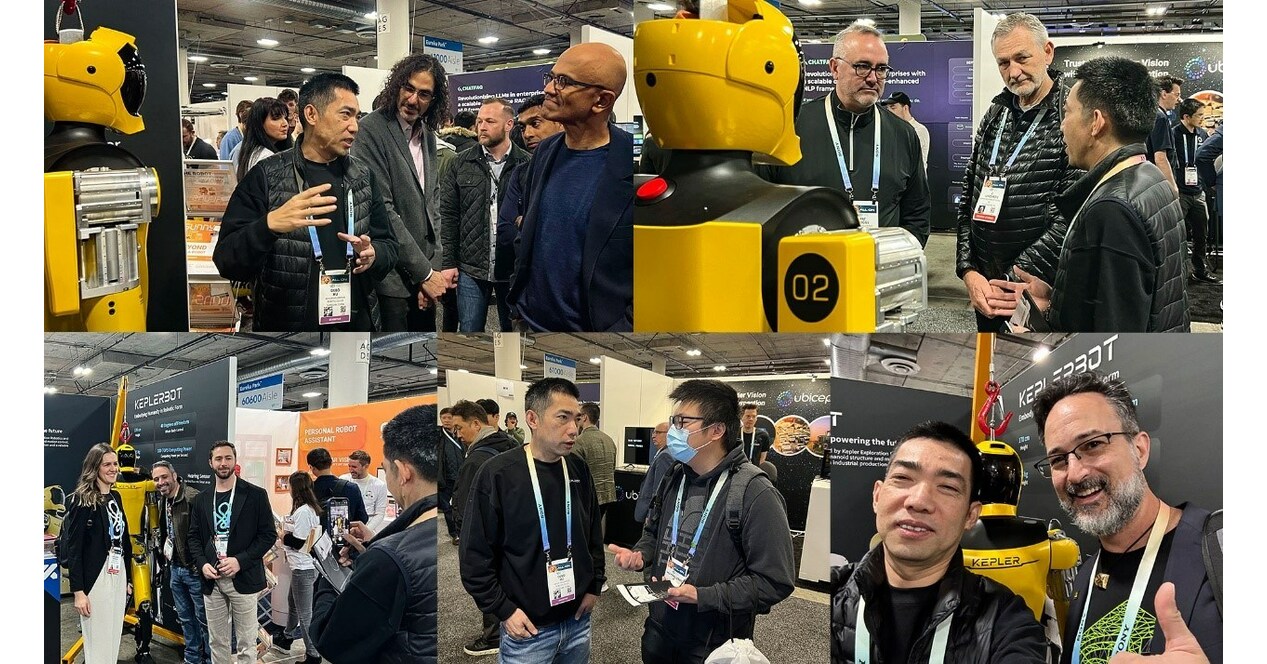
Reason 5: The Cost-per-Impression Math Is Excellent
Run the numbers. A 3-day Unitree G1 rental through ZMProbots costs about $897. A 5-day rental at the multi-day tier costs $1,295. Compare that to a major trade show booth — where the booth itself often runs $50,000 or more — and the humanoid is one to two percent of total activation cost.
Now compare the impression value. The humanoid generates incremental foot traffic, free social video, and trade press coverage. Conservative estimate: 50,000 to 200,000 brand impressions for a 3-day activation, at a cost of less than a thousand dollars on the robot itself. That is sub-pennies per impression.
You will not match that number with paid media. You will not match it with a giveaway. You probably will not match it with the keynote speaker you flew in. The humanoid robot is the most efficient line item on a modern activation budget, and the brands renting them have figured this out.
Image source: HumanoidRoboticsTradeshows.com / humanoid robot brand activation crowd
Brand perception has been quietly shifting in 2025 and 2026. The brands that show up to events with humanoid robots are read by guests as “ahead of the curve.” The brands that do not are read as “regular.”
This effect is strongest in tech, automotive, fashion, and beauty — categories where the brand promise includes some version of “we move first.” If your brand sells future-leaning products and your booth in 2026 looks identical to your booth in 2022, the implicit message to guests is that you are not paying attention.
Renting a humanoid is not strategy. It is a signal. The signal happens to be that you noticed the world changed and you are willing to act on it. That signal lands with B2B buyers, journalists, and any guest who pays attention to brand cues — which is most of them.
Reason 7: Nobody Else at the Venue Has One (Yet)
This is the most time-sensitive reason on the list. The window where a humanoid robot is the only one at your venue closes a little more every quarter.
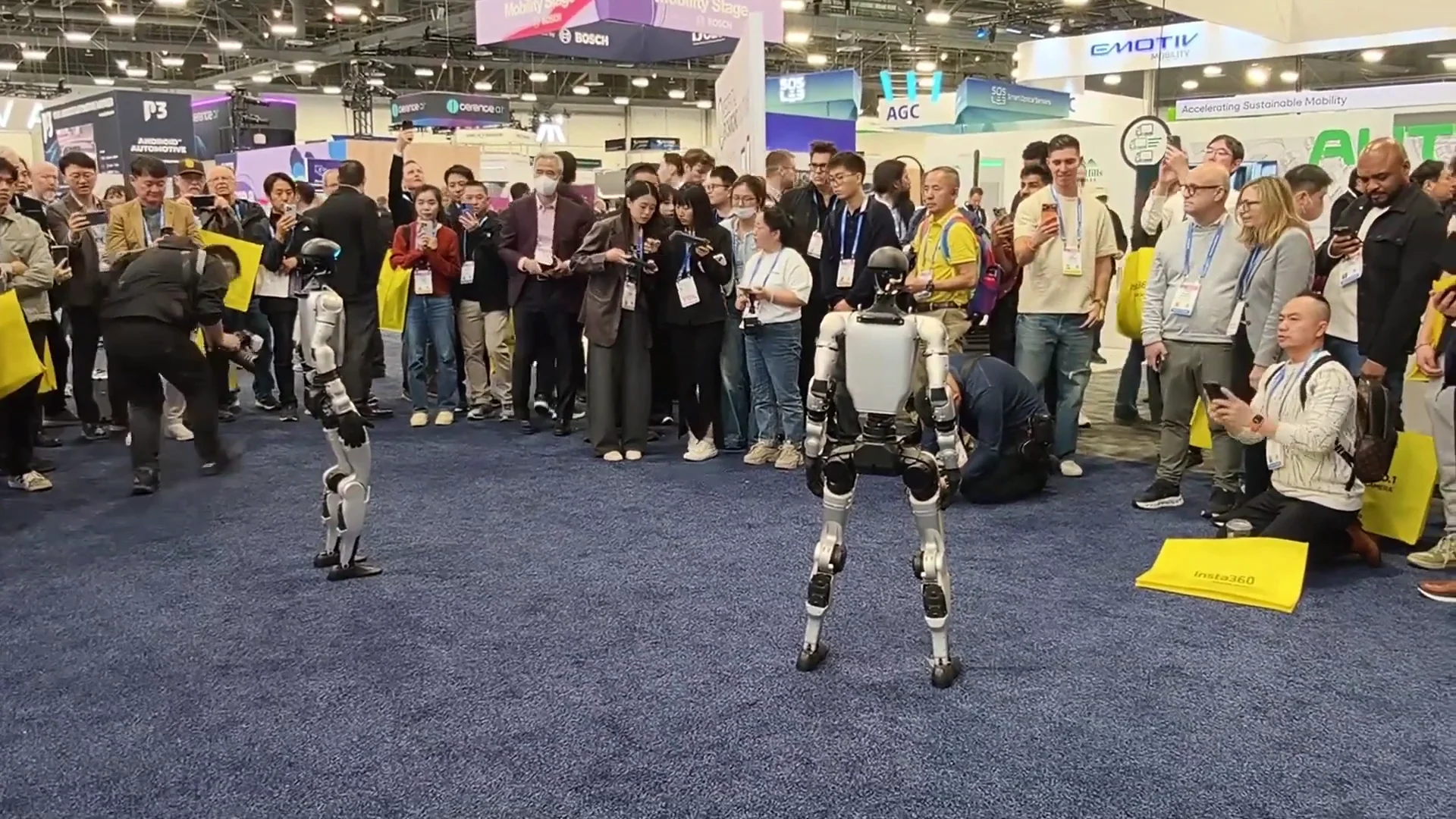
At CES 2026, several major booths deployed humanoids. By CES 2027, most of the front-row booths will. The brands renting humanoids today get the disproportionate attention because their robot is the only one in the room. The brands that wait until 2028 will be one of many. The same activation that gets featured in trade press in April 2026 will be a footnote in April 2028.
If your brand needs the activation to stand out — to actually pull crowds away from competitor booths, to get the editorial coverage, to drive the social moment — the time pressure is real. The robot is most effective right now, in 2026, while it is still the new thing.
The most accessible booking option in the US is the Unitree G1 through ZMProbots. The calendar fills up faster around major trade show weeks.
FAQ
How much foot traffic does a humanoid robot actually draw at a trade show?
Brands that have deployed humanoids in 2025 and 2026 report 2.5x to 4x foot traffic at the booth compared to similar booths without one. A retail opening in Chicago measured 3x prior-year traffic with a Unitree G1 present. The effect is most pronounced when the robot is the only humanoid at the venue.
What does it cost to rent a humanoid robot for a brand activation?
The Unitree G1 starts at $199 per day for bookings of 8 days or more, $259 per day for 4 to 7 days, and $299 per day for 3-day bookings — the minimum — through ZMProbots. Free delivery, trained operator, and base damage protection are all included. Other manufacturers including AgiBot, Engineered Arts, and Hanson Robotics charge significantly more, often with quote-only pricing.
Will guests actually post about the humanoid on social media?
Yes, in volume. A typical 3-day humanoid deployment generates 8,000 to 30,000 short-form video views in the first 72 hours across TikTok, Instagram, LinkedIn, and X. The brand logo appears in roughly half of those clips. The earned media is often larger than any other line item on the activation budget.
What is the best type of event for a humanoid robot rental?
Trade shows, brand activations, product launches, retail openings, conferences, fashion shows, automotive reveals, corporate offsites, and content shoots. Indoor venues with hard or low-pile carpet floors. Multi-day bookings deliver the strongest cost-per-impression. Most ZMProbots bookings are 3 to 7 days.
Does the brand need to provide an operator or trainer?
No. The Unitree G1 rental through ZMProbots includes a trained operator at $100 one-time setup. The operator handles all robot operation, charging, basic maintenance, and safe interaction with guests. The brand only provides venue access and the activation script.
Will guests be afraid of a humanoid robot at our event?
The opposite, in practice. Modern humanoids are designed for friendly visual presence — the Unitree G1, Ameca, AgiBot X2 all read as approachable to most guests. Children love them. Adults take photos. The most common feedback after activations is that guests wished they had more time with the robot.
The Bottom Line
Brands rent humanoid robots because the math works. Foot traffic, free media, memorability, PR value, cost-per-impression, signaling, and the closing window of novelty all stack into one of the most efficient activation line items in 2026.
If you want one for your next event, see availability and pricing on our humanoid robot rental page.