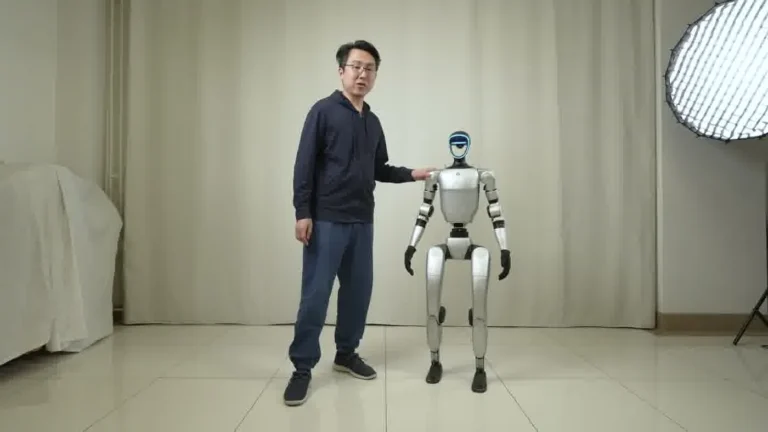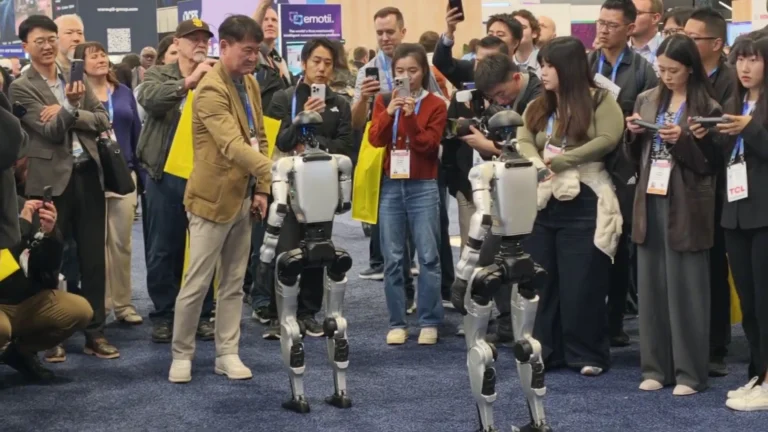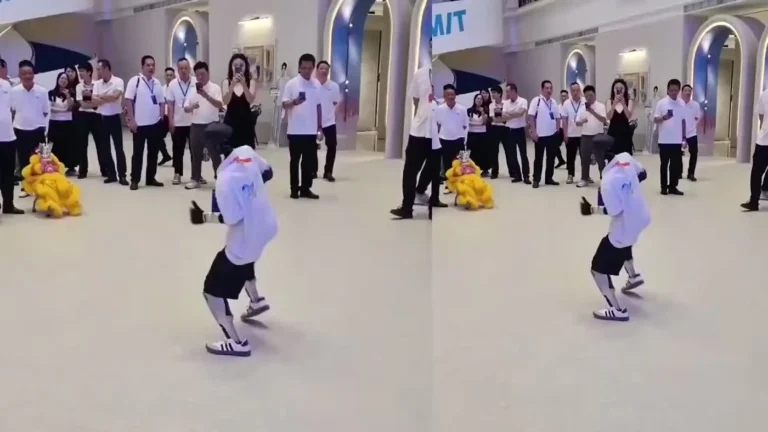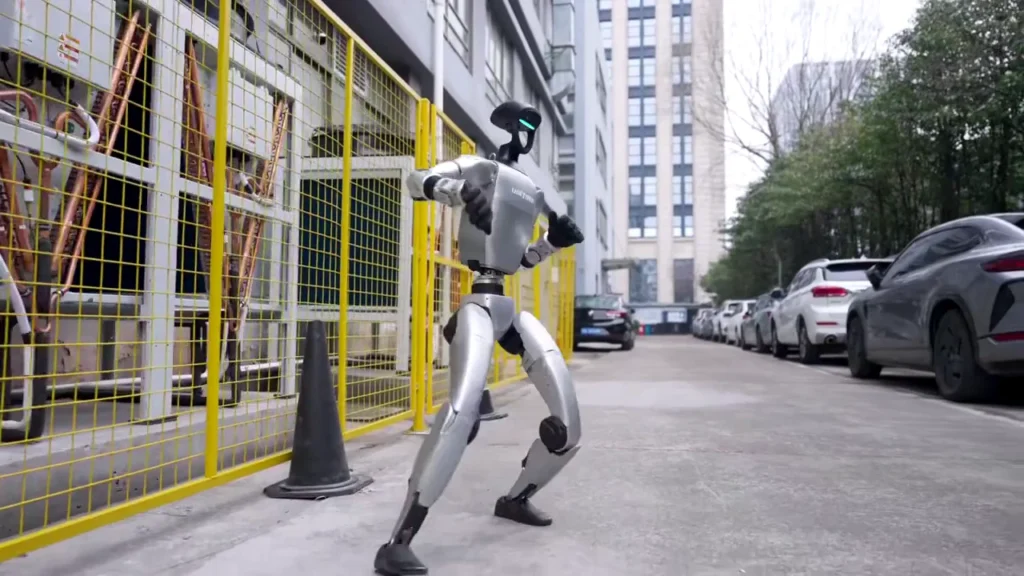
Here is the pitch you keep reading: a humanoid robot is the future, the price is finally accessible, and you should buy one before everyone else does. Here is the reality: nine out of ten people who buy a Unitree G1 today will use it six times in 2026, store it for the rest of the year, and resell it at a 40% loss in 2027.
Table of Contents
If you are about to drop $63,900 on a humanoid robot, read this first. Some of you should buy. Most of you should not. The honest version is below.
Warehouse Warmup
Image source: RoboStore / Unitree G1 Edu Ultimate product page
Buying a humanoid robot in 2026 feels like buying the future. The brand on the box is one of the most-talked-about names in tech. The robot will sit in your office, your studio, your event company’s warehouse, and people will bring it up at every dinner you attend for the next year.
That feeling is real. It is also expensive. The question worth asking before you pull out a credit card: are you buying the robot because the math works, or because the feeling does?
If it is the math, keep reading — there is a small list of cases where the math actually does work. If it is the feeling, you should know that you can rent the same robot for a fraction of the price, get the same dinner-party story, and not be holding the bag in 18 months.
The pitch is good. The math is bad for most people. Let me show you why.
The Sticker Price Lies
The Unitree G1 lists at $63,900. That number is not the cost of owning a humanoid robot. It is the down payment on owning a humanoid robot.
The full first-year cost, once you add inbound shipping, accessories, asset protection costs for a $60K specialty asset, climate-controlled storage, charging equipment, software, per-event operator fees, per-event transport, and the inevitable first repair, runs $90,000 to $97,000. That is before you have generated a single dollar of value with it.
Every owner finds this out a few months in. The hardware was not the problem. The hardware was just the entry fee. The recurring costs are what hurt, and they hurt every month, whether the robot is at an event or sitting in its case in a back room.
Pretending the sticker price is the real cost is the most expensive mistake first-time humanoid buyers make. Do not be that buyer.
You Will Use It Six Times. Be Honest.
Nobody plans to use their robot six times. Everyone plans to use it monthly. Then reality lands.
An event you booked six months out got canceled. The launch you wanted to deploy at moved venues. The trade show fell on a week the operator was not available. Out of 12 events you imagined when you bought the robot, you actually ran six. Two were short. One was a soft event where the robot mostly stood in a corner.
That is not pessimism. That is the average pattern in 2026 for first-year owners we have data on. Six events. Maybe seven. The robot generates value during those events and depreciates during the other 358 days.
Be honest with yourself before the purchase. How many days a year will you actually use this thing? If your honest answer is fewer than 30 days a year, do not buy. The math does not work and the math will not get better.
Image source: Dezeen / Unitree G1 humanoid robot Dezeen Awards China 2025
The Unitree G1 you buy today will not be the latest Unitree model in 12 months. Humanoid robotics is a fast-moving category. According to IEEE Spectrum coverage of the 2026 humanoid market, the pace of new model releases means even the best hardware ages out fast.
Used G1 listings on secondary markets in early 2026 show 12-month-old units selling at $38,000 to $42,000 — a 35% to 40% loss in the first year alone. Two-year-old units list around $28,000. Three-year-old units, when they appear, list closer to $22,000. The car you bought five years ago is holding value better than the humanoid robot you bought last year.
This depreciation is not a flaw of the G1. It is how the entire humanoid robot category works in 2026. Every manufacturer is shipping a better version every 12 to 18 months. The robot you own goes from “newest” to “previous generation” before the warranty expires.
If you sell after 3 years, expect to recover roughly $22,000 to $25,000. The hardware will have cost you $39,000 to $42,000 net. That is in addition to everything else you spent.
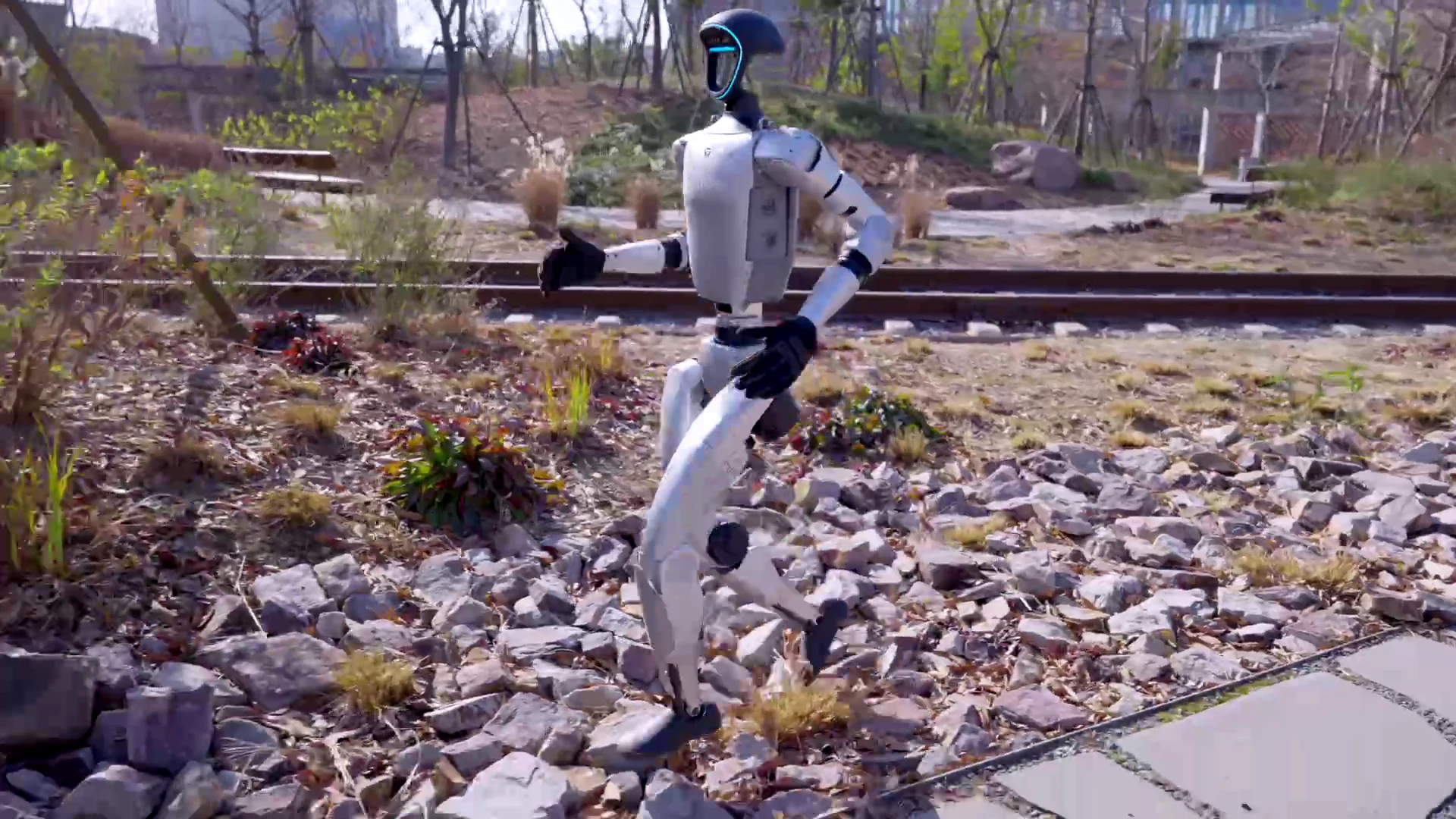
The Operator You Need to Hire You Forgot About
Here is the line item that catches every first-time owner off guard. The robot does not run itself.
You will need a trained humanoid robot operator at every live event. Industry rate: $300 to $500 per day plus travel. If you are running 12 events per year at 3 days each, that is $14,000 to $18,000 in operator fees in year one alone. Over three years, $40,000 to $55,000.
The alternative is keeping an operator on staff full-time — but unless you are running events year-round, you cannot justify the salary. Most owners end up hiring per-event operators, paying the going rate, and discovering that the operator is the most expensive variable cost of owning the robot.
The kicker: when you rent the same robot through ZMProbots, the trained operator is included in the rate. The robot you rent costs you $897 for a 3-day event. The robot you own costs you $897 to $1,500 in operator fees for the same event, plus everything else.
The operator is not a footnote. It is the line item that makes ownership uneconomic for almost everyone.
Where It Sits 350 Days a Year
Run a quick mental walkthrough. You bought the robot. The first event went well. The second event was 3 weeks later. Now what?
You need a place to store a 35 kg robot in a 50 kg carrying case in a climate-controlled, secured space. Most US metros price that at $200 to $400 a month. Over 36 months that is $7,200 to $14,400 in storage costs alone — before insurance, before maintenance, before the operator.
The batteries also degrade if stored at full charge. So you maintain a charge-rotation schedule. The robot also needs occasional sensor calibration even when it is not being used. You are quietly paying to maintain an asset that is not generating value, and 95% of the calendar year is exactly that.
This is the part nobody talks about in the influencer videos about new humanoid purchases. The asset sits in a closet. The cost meter keeps running.
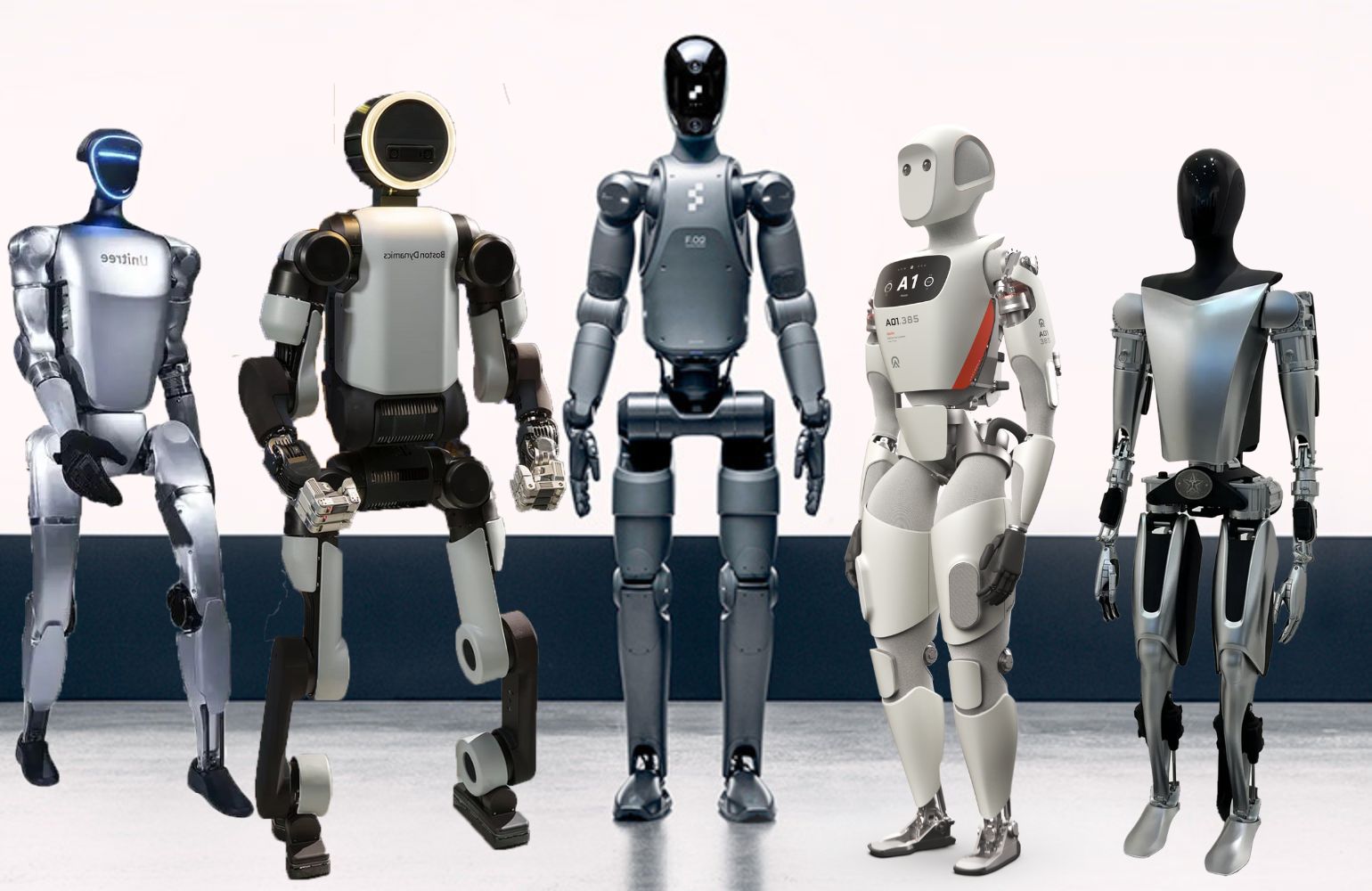
Image source: The Robot Report / 2026 humanoid robot commercial models comparison
Buying a humanoid robot is the right call in a small set of specific cases. Here they are.
- Continuous daily research deployment. University labs and industrial research programs that need access to the hardware 5 to 7 days per week, year-round. The robot is in use 200+ days per year and is generating publications, products, or contract revenue.
- Manufacturing pilot programs. Factory automation pilots where the robot is on the line 200+ working days per year, replacing or supplementing structured task workers. According to MIT Technology Review, this is the model that BMW and Mercedes are running with Figure 02 and Apptronik.
- Robotics R&D firms. Companies developing software, firmware, or behaviors that require constant unrestricted hardware access. The robot is the laboratory.
- Healthcare and care research. Clinical or care research running daily protocols where a humanoid is core infrastructure rather than a guest attraction.
- You make video content with humanoids weekly. A creator running a YouTube channel where the robot is in front of the camera 50+ days per year as core production infrastructure.
That is the list. Notice what is not on it: events, brand activations, trade shows, retail openings, content production with occasional robot appearances, or “I think I might want to use it sometimes.” If your use case is not on the list, do not buy.
The Rental Math, Once More, in Plain English
You can rent the same Unitree G1 from ZMProbots for $199 a day at the multi-day tier. Three-day bookings cost $897. Five-day bookings cost $1,295. Ten-day bookings cost $1,990.
Twelve events per year at three days each, all rented, comes to $10,764 a year. Three years of that is $32,000. Compare to roughly $138,000 in 3-year ownership cost for the same usage. The gap is $100,000.
Renting includes free delivery, free collection, base damage protection, and a trained operator. Owning includes none of that. You are not just saving money by renting — you are buying back your time. No storage logistics. No maintenance scheduling. No depreciation hit. No operator hiring.
If you want a deeper breakdown of the math, see our 3-year cost analysis. The numbers in this post are summarized from that one.
FAQ
Should I buy a humanoid robot in 2026?
Probably not. Buying makes sense in a small set of cases — continuous daily research deployment, factory pilots, robotics R&D, certain healthcare research programs, and creators producing humanoid content weekly. For everyone else — events, activations, content shoots, occasional use — renting wins on cost, flexibility, and operator inclusion.
What is the real cost of buying a Unitree G1 over 3 years?
Roughly $138,000 once you include hardware ($63,900), operator fees, transport, storage, asset protection, maintenance, software, and depreciation losses. The sticker price represents about half the true 3-year cost of ownership for medium event use.
How much does a Unitree G1 lose in value each year?
Roughly 35% to 40% in the first year. Used 12-month-old G1 units list at $38,000 to $42,000 on secondary markets. Three-year-old units list closer to $22,000 to $25,000. Humanoid robotics is a fast-moving category and depreciation is steeper than most office equipment.
Can I really not run a humanoid robot myself?
Technically yes. Practically no. Operating a humanoid in front of guests at a live event safely requires training — the operator monitors crowd interaction, battery state, and motion limits. The going industry rate for a trained operator is $300 to $500 per day, included for free in ZMProbots rentals and a recurring out-of-pocket cost for owners.
What about resale — isn’t the robot an investment?
Not in the way most assets are. The 35% to 40% first-year depreciation means the resale value drops faster than almost any equipment in this price range. Treat it as expense, not investment. If the math only works when you assume strong resale value, the math does not work.
What if I run more than 24 events per year? Should I buy?
Even at heavy event use, renting still wins by $90,000 to $120,000 over three years. The reason: per-event costs (operator, transport) scale with usage whether you rent or buy, while ownership adds depreciation, storage, and maintenance the rental does not. Buying only pencils out at continuous daily use, not heavy event use.
The Bottom Line
Buying a humanoid robot is the right call for research labs, factory pilots, R&D firms, and a handful of other continuous-use scenarios. For everyone else — events, activations, launches, content — buying does not pencil out. Be honest about your usage. The math does not lie.
Want to rent instead? See availability and pricing on our humanoid robot rental page.